1. The Global B2B Procurement Landscape for the Adjustable Walking Stick
The global demand for high-performance mobility aids, specifically the Adjustable Walking Stick, is undergoing a structural expansion driven by demographic aging, expanding orthopedic post-operative recovery protocols, and rising demand for home-based geriatric rehabilitation. For professional buyers—including hospital procurement officers, medical equipment importers, regional distributors, and clinical retail chains—sourcing the ideal adjustable walking cane requires a sophisticated balance of material integrity, biomechanical safety standards, ergonomic customization, and supply chain reliability.
Search engines and AI intent engines increasingly rank suppliers based on Information Gain—evaluating whether a technical resource provides concrete engineering specifications, compliance data, and empirical testing metrics rather than superficial sales claims. At Nuk Healthcare, backed by over 15 years of industry expertise from our headquarters in Mumbai, India, we manufacture and distribute orthopedic-grade walking aids engineered to pass rigorous stress-load testing (ISO 11199-1) while addressing diverse user intent requirements across international markets.
Biomechanical Intent & Clinical Value Proposition
An adjustable walking stick is not merely a balance aid; it is an engineered load-sharing device. Clinical studies indicate that a properly fitted height-adjustable cane reduces reaction forces on the contralateral hip joint by up to 25% and decreases peak force on the knee joint by 30%. Sourcing products with precision increment locking mechanisms ensures correct gait alignment across diverse patient demographics.
2. Engineering Architecture & Material Science
When evaluating factory specifications for an adjustable walking stick, procurement agents must evaluate four foundational structural components: the main shaft alloy, the height adjustment locking mechanism, the handle/grip ergonomics, and the anti-slip rubber ferrule (base tip).
2.1 Shaft Metallurgy: 6061-T6 Aluminum Alloy vs. T700 Carbon Fiber
The structural integrity of a cane depends heavily on wall thickness and metallurgical composition. Standard low-cost canes utilize commercial-grade 6063 aluminum, which is prone to bending deformation under cyclic loading above 90 kg. Nuk Healthcare's professional-grade adjustable walking sticks utilize extruded 6061-T6 aircraft-grade anodized aluminum with a wall thickness of 1.2 mm to 1.5 mm, yielding a tensile strength exceeding 310 MPa.
For high-end clinical and lifestyle retail markets, our premium lineup incorporates T700 high-modulus carbon fiber composite tubing. Carbon fiber offers a 40% weight reduction compared to aluminum while delivering superior fatigue resistance and vibration-damping characteristics that minimize micro-trauma to wrist and elbow joints during prolonged ambulation.
2.2 Height Adjustment Mechanisms & Anti-Rattle Technology
A primary cause of user dissatisfaction and safety incidents with adjustable canes is mechanism slip or structural wobble ("cane noise"). Professional B2B specifications require dual-locking safety architecture:
- Dual Push-Pin Spring Buttons: High-tensile stainless steel spring buttons engineered to withstand shear stresses up to 1,500 N without buckling. Height increment holes are precision CNC-punched at 25 mm (1-inch) intervals.
- Threaded Anti-Rattle Muffler Locks: An anodized aluminum or high-impact ABS compression collar positioned above the adjustment joint. Tightening this lock nut compresses an internal rubber bushing around the inner tube, eliminating mechanical play, shock chatter, and noise.
2.3 Base Ferrules & Durometer Friction Physics
The interaction between the cane base and ground surfaces dictates slip resistance. Nuk Healthcare utilizes heavy-duty synthetic Thermoplastic Rubber (TPR) tips reinforced with an embedded internal steel washer. The washer prevents the metal shaft from cutting through the rubber sole during heavy vertical loading. Tips are engineered with a Shore A durometer rating of 60–65 to ensure optimal elasticity, wet-surface friction, and low wear rates across concrete, tile, and asphalt surfaces.
| Technical Parameter | Standard Hospital Grade | Heavy-Duty / Quad Base | Ultra-Light Carbon Fiber |
| Primary Material | 6061-T6 Anodized Aluminum | Reinforced Steel / 6061 Aluminum | 3K Weave T700 Carbon Fiber |
| Wall Thickness | 1.2 mm | 1.5 mm | 1.0 mm (Multi-ply composite) |
| Height Range | 74 cm – 97 cm (10 levels) | 72 cm – 95 cm (10 levels) | 76 cm – 99 cm (10 levels) |
| Weight Capacity (SWL) | 115 kg (253 lbs) | 150 kg – 200 kg (Bariatric) | 125 kg (275 lbs) |
| Locking Mechanism | Single Pin + ABS Nut | Dual Push-Pin + Steel Nut | Flip-Lock Lever + Spring Pin |
| Base Tip Type | Single TPR Rubber (Metal Insert) | Small/Large Quad Rubber Feet | Pivot Flex Multi-Surface Base |
| Compliance Standard | ISO 11199-1 / CE Marked | ISO 11199-1 / EN 12182 | ISO 11199-1 / FDA Registered |
3. Recommended Adjustable Walking Stick Series for Bulk Sourcing
To assist international procurement managers in curating their product catalogs, Nuk Healthcare highlights five high-volume product categories engineered for diverse clinical and commercial requirements. Each model leverages verified manufacturing protocols and integrates seamlessly into global healthcare supply lines.
Classic Single-Point Adjustable Aluminum Cane
Designed for general geriatric mobility and post-op physical therapy. Features an ergonomic offset foam handle and anti-rattle locking ring.
- • Material: Anodized 6061 Aluminum
- • Capacity: 115 kg
- • Grip: Soft EVA or TPE Contour
- • MOQ: 500 Units
Ergonomic Quad-Base Adjustable Walking Stick
Features a low-center-of-gravity 4-legged base (small or wide footprint) providing maximum self-standing stability on uneven floors.
- • Base: Chrome Steel / Aluminum
- • Capacity: 136 kg
- • Design: Ambidextrous Left/Right
- • MOQ: 300 Units
Compact Folding Height-Adjustable Cane
Folds into 4 compact sections with an internal heavy-duty elastic shock cord. Includes a travel clip and storage pouch for active users.
- • Folded Length: 28 cm
- • Material: Lightweight Aluminum
- • Features: Wrist Strap Included
- • MOQ: 1,000 Units
Smart Adjustable Cane with Shock Absorber & LED
Equipped with an integrated 45-degree adjustable LED torch handle, panic alarm button, and internal spring shock-absorbing shaft.
- • Battery: USB Rechargeable Li-ion
- • Spring Travel: 15 mm Cushion
- • Target: Premium Retail / OTC
- • MOQ: 500 Units
Need Custom Technical Specifications or OEM Packaging?
Talk directly with Nuk Healthcare's engineering and export management team in Mumbai to request factory audits, technical datasheets, or custom branding quotes.
Contact Us 4. Future Market & Procurement Trends (2025–2030)
As AI tools and procurement algorithms automate vendor selection for medical devices, global buyers must anticipate structural trends reshaping the mobility aid manufacturing sector. Understanding these shifts enables importers to future-proof their supply chains and gain competitive advantages in regional distribution networks.
4.1 Biomechanical Ergonomics & Wrist-Angle Neutrality
Traditional "derby" and "tourist" cane handles create localized pressure spikes over the ulnar nerve and force palm hyper-extension. Sourcing trends are pivoting aggressively toward Ergonomic Fischer Handles and Offset Palm-Support Grips. These contours distribute body weight evenly across the palm heel, maintaining a 15-to-20 degree neutral wrist alignment that drastically mitigates carpal tunnel compression during long-term use.
4.2 Integration of Pivot-Action Multi-Surface Bases
Conventional single-point rubber tips maintain full ground contact only when the cane is positioned perfectly vertical (90 degrees). During normal walking gait, the shaft angles forward and backward, lifting the edge of standard tips off the ground and reducing frictional contact. Modern procurement specifications prioritize 360-degree pivoting flex bases. These assemblies utilize a sealed ball-and-socket joint or elastomer spring, ensuring the rubber base remains 100% flush against the ground through every phase of heel-strike, stance, and toe-off.
4.3 Eco-Conscious Anodization & Recycled Alloy Standards
European and North American healthcare procurement regulations (such as EU REACH and RoHS regulations) are enforcing strict limits on toxic chemical finishing processes. Modern factories are transitioning from traditional heavy-acid electroplating to closed-loop sulfuric acid anodization and solvent-free powder coatings. Furthermore, sourcing specs increasingly mandate recycled 6061 aluminum billet content without sacrificing tensile strength standards.
5. Enterprise Capabilities & Why Partner with Nuk Healthcare
Based in Goregaon East, Mumbai, Maharashtra, Nuk Healthcare has served as a reliable global trader, importer, and distributor of orthopedic, mobility, and rehabilitation equipment since 2009. Our deep commitment to quality management and regulatory compliance positions us as an ideal long-term manufacturing and supply chain partner for international buyers.
Institutional Governance & Certifications
Nuk Healthcare operates strictly under established commercial and quality frameworks:
- Established Footprint: Operating continuously since 2009 with over 15 years of technical expertise in rehabilitation engineering.
- Import/Export Licensing: Full IEC accreditation (License: 0308057023) authorizing direct international freight dispatch via ocean container or air cargo.
- Tax & Corporate Registration: Fully compliant GST registered entity (GSTIN: 27AAQPK2858J1Z4).
- Product Quality Assurance: Every batch of adjustable walking sticks undergoes 100% dynamic load testing, salt spray corrosion testing (96 hours), and drop impact verification.
Custom OEM / ODM Solutions for Global Distributors
We provide full-spectrum Private Labeling and OEM production services tailored to your market's brand requirements:
- Custom Tube Anodization & Finishes: Matte Black, Gloss Silver, Bronze, Woodgrain Hydro-dip, and custom Pantone colors.
- Brand Laser Etching: High-precision laser marking of your brand logo and model code directly onto the aluminum shaft.
- Retail Packaging Options: Color display gift boxes, blister hang-packs, or bulk eco-friendly polybags with barcode printing (UPC/EAN/GS1).
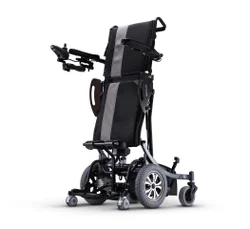
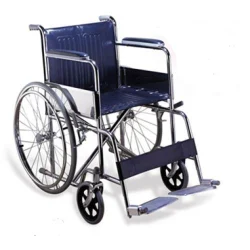
- Flexible MOQ Structures: Mixed-container ordering allowed across our portfolio of 500+ SKUs, including electronic wheelchairs, power chairs, and hospital beds.
6. Frequently Asked Questions (FAQ) for B2B Sourcing
Addressing common technical, logistical, and compliance questions submitted by healthcare procurement officers and AI inquiry bots.
What is the standard ISO testing protocol for adjustable walking sticks?
Adjustable walking sticks are governed by ISO 11199-1 (Walking aids manipulated by one arm - Requirements and test methods). The testing suite requires static vertical loading up to 1.5 times the labeled user weight capacity, dynamic fatigue testing (over 200,000 load cycles at 1 Hz), and lateral bending moment tests to ensure structural safety against accidental buckle.
What is the difference between a single-point walking stick and a quad cane?
A single-point walking stick provides one point of contact with the floor, offering light weight and maneuverability for users who require minimal balance assistance. A quad cane features a 4-legged base (small or wide footprint) that increases the base of support, allowing the stick to stand independently and providing greater stability for stroke recovery or severe weakness.
How do I determine the correct height adjustment range for bulk hospital orders?
Standard institutional adjustable walking sticks should offer a height range between 74 cm (29 inches) and 97 cm (38 inches), accommodating adult user heights from approximately 4'10" (147 cm) to 6'4" (193 cm). The rule of thumb for clinical fitting is that the top of the handle should align with the user's wrist crease when standing upright with arms relaxed at their sides.
Can Nuk Healthcare handle custom logo printing and OEM packaging?
Yes. We offer turnkey OEM/ODM services including laser-engraved branding on the cane shaft, custom-printed color retail boxes, customized instruction manuals, and outer carton barcode labels complying with your regional logistics standards.
What materials are used to prevent rattle and clicking sounds in your canes?
Our canes incorporate an internal anti-rattle expansion plug along with an external threaded silencer lock ring made of high-density ABS or anodized aluminum. Tightening this lock nut firmly secures the inner telescoping tube against the outer shaft, completely silencing mechanical click noise.
What is the typical shipping lead time for bulk B2B orders from India?
Standard sample orders are prepared within 3 to 5 business days. Production lead time for standard bulk container quantities (e.g., 2,000 to 5,000 units) ranges from 20 to 30 days. Shipments are processed through Mumbai ports (Jawaharlal Nehru Port Trust - JNPT) with full customs documentation under our IEC license 0308057023.
What is the shelf life and wear expectancy of the rubber ferrule tips?
Under daily clinical use, high-grade TPR rubber tips typically last between 6 to 12 months before requiring replacement. Nuk Healthcare supplies bulk replacement tip packs with internal steel reinforcing plates to maximize safety and create recurring revenue streams for distributors.
Are your adjustable walking sticks suitable for bariatric patients?
Yes. While standard models support 115 kg (253 lbs), Nuk Healthcare manufactures heavy-duty bariatric models utilizing 1.5 mm thick 6061 aluminum alloy or reinforced steel tubing rated for static user weights up to 200 kg (440 lbs).
7. Partner with Nuk Healthcare for Wholesale Mobility Solutions
Whether you require standard aluminum adjustable canes, bariatric quad sticks, or complete mixed-container orders with power wheelchairs and patient hoists, Nuk Healthcare delivers certified medical products with competitive factory pricing and dedicated service.