Blog
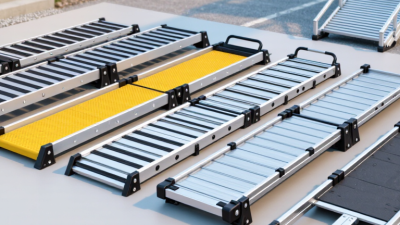
7 Best Foldable Wheelchair Ramps for Easy Access?
Choosing the right Foldable Wheelchair Ramp can turn a difficult doorway into a practical route. Yet the “best” option depends on the user, chair, caregiver, and surface.
A short ramp may fit neatly in a car. However, it can create a steeper climb. A longer model usually feels smoother, but it may weigh more and need extra storage space. Door thresholds, porch steps, van edges, and uneven pavement all demand different solutions. Small details matter. Hinge quality matters. So does the ramp’s grip in rain.
Randy Wiens, an accessibility-equipment expert, puts it plainly: “A ramp must make access easier, not create another obstacle.” That idea guides this comparison of seven popular foldable ramps. Each model is considered for portability, weight capacity, surface traction, setup time, and everyday stability. Manufacturer specifications remain important, but real handling can reveal problems that a product page misses.
A strong ramp should open without awkward effort. It should rest securely and support controlled movement. The user should not need to wrestle with it.
This guide also avoids pretending that one ramp suits everyone. A lightweight aluminum model may work well for travel, while a wider platform ramp may feel safer at home. Some options look convenient but become tiring after repeated lifting. I admit that rankings can seem too neat. Personal strength, wheelchair size, and doorway design may change the result.
Before buying, measure the rise and available landing space. Then compare these seven Foldable Wheelchair Ramp choices with patience, realism, and safety in mind.
Read more »
 By:Ethan
- October 27, 2026

How to Choose a Foldable Mobility Scooter in 2026?
Choosing a Foldable Mobility Scooter in 2026 requires more than comparing prices and advertised travel distances. A reliable choice should match your daily movements, body support needs, storage space, and transport habits. Picture the real routine: lifting the scooter beside a car, rolling it through a narrow hallway, or using it across a supermarket floor. These details often matter more than impressive specifications. The lightest model may sacrifice stability. The longest-range model may be difficult to carry. There is no perfect scooter.
This guide examines practical factors, including folded size, total weight, seat comfort, turning radius, battery design, charging time, and braking performance. It also considers manufacturer documentation, warranty coverage, replacement parts, and qualified after-sales support. Check the user manual carefully, because published measurements may exclude baskets, armrests, or batteries. That small difference can affect storage and transport. Test the controls before purchase whenever possible. Your hands should reach them naturally, and the throttle should respond smoothly without sudden movement. I have found that convenience is easy to overestimate when viewing product photos. Real floors are uneven. Doorways are narrower than expected. A careful decision also means accepting personal limits and asking a healthcare professional or mobility specialist for advice when needed. The goal is not to find the most advanced Foldable Mobility Scooter, but one that feels secure, manageable, and dependable in your everyday life.
Read more »
By:Ethan
- October 22, 2026

How to Choose the Right Paediatric Wheelchair?
Choosing the right Paediatric Wheelchair begins with the child, not the product catalogue. Each child has different mobility needs, posture, strength, communication abilities, and daily routines. A chair used at school may need different features from one used outdoors or at home.
A careful assessment should involve a paediatrician, occupational therapist, physiotherapist, wheelchair specialist, and family members. They can review seating support, pelvic stability, pressure relief, foot positioning, propulsion, transport, and growth adjustment. Measure the child while seated, including hip width, thigh length, trunk height, and lower-leg length. Small errors matter. A seat that feels comfortable for ten minutes may cause discomfort after several hours.
Think about real environments. Can the Paediatric Wheelchair pass through narrow doors? Will its wheels manage uneven pavements? Can a caregiver lift or fold it safely? Is the cushion suitable for the child’s skin and posture needs? These details often matter more than colour or advanced accessories.
There is no perfect chair.
The best choice balances clinical advice, family experience, practical handling, and the child’s preferences. A bright frame may encourage use, while adjustable components can support growth and changing abilities. However, more features can increase weight, cost, and maintenance. That trade-off deserves honest discussion.
Reliable decisions should include a trial, careful fitting, and follow-up reviews. Children grow quickly, and their abilities can change unexpectedly. Even a well-selected Paediatric Wheelchair may need adjustment later. Families should record discomfort, fatigue, pressure marks, and difficulties during everyday use. Those observations provide valuable evidence for future improvements.
Read more »
 By:Charlotte
- October 17, 2026

What Is a Paediatric Walker and How Does It Help?
A Paediatric Walker is a mobility aid designed to help children stand, step, and explore safely. It may include a posterior walker, gait trainer, or supportive frame. These devices differ from sit-in baby walkers, which provide limited developmental benefit and may increase injury risks, according to the American Academy of Pediatrics.
The need for appropriate mobility support is substantial. The World Health Organization and UNICEF reported in the Global Report on Assistive Technology (2022) that more than 2.5 billion people need at least one assistive product. This figure could exceed 3.5 billion by 2050. Children may need these devices because of cerebral palsy, spina bifida, muscular weakness, or developmental delays. A well-fitted Paediatric Walker can support upright posture, weight shifting, and participation in daily activities. It can turn a difficult hallway into a reachable destination.
Fit matters.
Dr Tedros Adhanom Ghebreyesus, Director-General of the World Health Organization, said, “Assistive technology is a life-changing investment in health and well-being, enabling people to live healthy, productive, independent, and dignified lives.” His statement reflects the broader purpose of paediatric mobility equipment: supporting participation, not merely producing steps.
Clinical decisions should involve a paediatric physiotherapist or occupational therapist. They should assess posture, muscle tone, balance, footwear, and the child’s environment. Evidence is useful, but it is not flawless. A walker that helps one child may frustrate another. The right choice depends on comfort, safety, goals, and careful review over time.
Read more »
By:Charlotte
- October 12, 2026
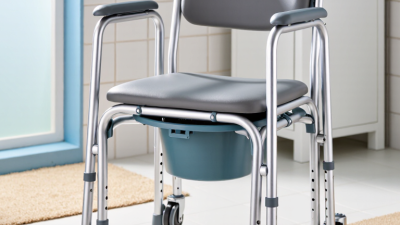
How to Choose the Best Aluminium Folding Commode Chair?
Choosing the best Aluminium Folding Commode Chair requires more than comparing prices and product photographs. A suitable chair should support safe toileting, comfortable transfers, and practical daily care. It must also fit the user, bathroom, caregiver, and storage space.
Dr. Rory Cooper, a rehabilitation engineer and accessibility authority, has said, “The wheelchair is not the problem; the environment is.” This principle applies to commode chairs too. A chair may appear excellent in a showroom, yet fail beside a narrow toilet or uneven bathroom floor. Measure doorways, seat height, transfer space, and storage clearance before purchasing. Small details matter.
Look closely at the aluminium frame, folding joints, seat width, footrests, armrests, and locking casters. The frame should feel firm, not loose, when gently tested. The seat should provide enough room without making side transfers difficult. A removable bucket can simplify cleaning, while a splash guard may improve positioning over a toilet. Comfort matters, but stability comes first.
Do not trust every impressive specification. A lightweight chair may sacrifice rigidity. A padded seat may retain moisture. I would not choose based on appearance alone. That is an easy mistake. Check the stated weight capacity, brake design, corrosion resistance, cleaning instructions, and warranty. User experience also deserves attention: can the caregiver fold it without pinched fingers? Can the user sit securely for several minutes? The right Aluminium Folding Commode Chair balances safety, hygiene, mobility, and real bathroom conditions. Perfect choices are rare, so careful measurement remains essential.
Read more »
 By:Amelia
- October 7, 2026

How to Choose a Hydraulic Patient Transfer Chair?
Choosing a Hydraulic Patient Transfer Chair is a practical clinical decision, not a simple equipment purchase. The right model should reduce lifting strain, support patient dignity, and fit the daily rhythm of caregivers. A narrow doorway, wet bathroom floor, or low bed can change everything. Small details matter.
Professor June Andrews, a respected falls-prevention specialist, states, “Falls are not an inevitable part of ageing.” Her reminder applies directly to patient transfers. A suitable chair should provide stable seating, controlled movement, dependable brakes, and safe positioning during transfers. Hydraulic height adjustment can align the chair with a bed, toilet, or examination surface. This may reduce awkward bending and unnecessary repositioning. However, hydraulic operation alone does not guarantee safety.
Care teams should examine the chair’s weight capacity, seat width, lifting range, caster quality, footrest design, and cleaning requirements. Test the equipment with real users when possible. Watch how the chair moves across thresholds. Check whether one caregiver can operate it confidently. Do not rely only on product photographs.
A perfect chair does not exist. That is worth admitting. One model may offer excellent stability but feel difficult to steer in a crowded room. Another may move smoothly but provide limited adjustment. Staff training, maintenance, and patient assessment remain essential. The best Hydraulic Patient Transfer Chair is the one that matches the patient’s mobility, the caregiver’s workflow, and the facility’s physical environment. Selection should be evidence-informed, hands-on, and reviewed after use.
Read more »
By:Amelia
- October 2, 2026

2026 Top Reclining Commode Wheelchair Types for Buyers?
Choosing a Reclining Commode Wheelchair involves more than comparing prices or counting features. Buyers need to consider how the chair will be used during toileting, bathing, transfers, and rest. A narrow bathroom doorway can rule out a model before its padded seat or reclining back ever matters. Small details matter.
Common options include attendant-propelled chairs, self-propelled models, and designs with adjustable recline or tilt. Some include a removable commode pan; others fit over a toilet. Each setup changes the transfer process, cleaning routine, and space required around the chair. Recline can support positioning, but it does not automatically make every transfer safer or easier.
Rehabilitation engineer Dr. Rory A. Cooper is a relevant expert in assistive technology and mobility. However, no source material here verifies a verbatim statement from him about reclining commode wheelchairs, so attributing a made-up quotation would be misleading. A useful buyer principle, stated here as guidance rather than a quote, is to match the equipment to the user’s needs and daily environment.
This guide compares the main Reclining Commode Wheelchair types buyers may encounter in 2026. It considers seat width, weight capacity, wheel configuration, recline controls, transfer access, and cleaning needs. Check the actual measurements. Ask a qualified clinician or equipment provider to assess fit, posture, and transfer needs before choosing. Product descriptions can sound reassuring; the bathroom’s real dimensions are less forgiving.
Read more »
By:Ethan
- September 27, 2026

How to Choose a Manual Folding Wheelchair for Global Buyers?
Choosing a Manual Folding Wheelchair can look simple, but global purchasing requires careful judgment. A suitable chair must match the user’s body, daily routes, transport habits, and available support. A model that works well on smooth hospital floors may feel unstable on gravel, ramps, or crowded streets. This guide focuses on practical selection, not attractive catalog images alone. It considers comfort, safety, portability, durability, and supplier reliability. No single model suits everyone. That matters.
Begin with seat width, seat depth, back height, and footrest position. These measurements influence posture, pressure distribution, and everyday control. A cushion may improve comfort, but it should not hide a poor fit. Ask a qualified healthcare professional or occupational therapist for advice when possible. Then inspect the frame, cross-braces, hand rims, caster size, rear wheels, and wheel locks. The folding mechanism should operate smoothly without excessive force. Check the folded dimensions before ordering. A chair may fit a vehicle trunk, yet still be difficult to lift upstairs. Aluminum frames often reduce weight, while stronger components may add useful durability. Always compare the rated user weight with real usage conditions.
Global buyers should verify technical specifications, warranty terms, spare-part access, packaging quality, and after-sales support. Request clear photos, manuals, inspection records, and shipping details from the supplier. Local safety and import requirements can differ, so confirm them before purchase. A low price may conceal weak brakes, limited replacement parts, or unclear responsibility after delivery. Experienced buyers measure doorways and storage spaces first. Even careful buyers can overlook uneven sidewalks or long-term maintenance. A checklist helps, but it cannot predict every daily challenge. The best decision combines verified information, professional advice, and honest reflection about the user’s real environment.
Read more »
By:Charlotte
- September 22, 2026
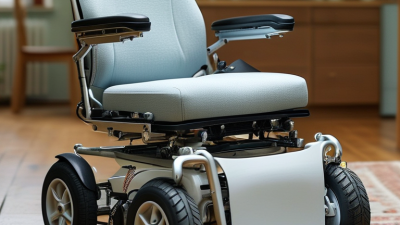
What Is a Front Wheel Drive Power Chair?
A Front Wheel Drive Power Chair places its main drive wheels at the front of the seating base. This design changes how the chair turns, climbs, and approaches obstacles. Larger front wheels can help cross small thresholds, uneven flooring, and carpet edges. The chair may also pivot effectively in tight indoor spaces. However, its trailing casters can swing outward during turns. Hallway width still matters.
The need is substantial. The WHO and UNICEF Global Report on Assistive Technology (2022) estimates that more than 2.5 billion people need at least one assistive product. That number could exceed 3.5 billion by 2050. WHO wheelchair provision guidance has also reported that only 5% to 15% of people needing wheelchairs receive one. These figures show why suitable power mobility requires more than attractive specifications.
Clinical assessment remains essential. A therapist may observe a user entering a kitchen, reaching a table, or crossing a doorway. Seat width, driving controls, leg positioning, battery range, and postural support can affect daily performance. ISO 7176 wheelchair standards provide structured methods for testing stability, braking, durability, and performance. Yet laboratory results cannot reproduce every apartment, sidewalk, or caregiver routine. That is where selection becomes personal, and sometimes imperfect.
A Front Wheel Drive Power Chair is not automatically the best option. It may suit users who need strong obstacle approach and responsive indoor handling. Others may prefer rear- or mid-wheel layouts for different stability and turning characteristics. Understanding the design helps buyers ask better questions before choosing equipment that must work beside beds, across thresholds, and through ordinary daily life.
Read more »
By:Charlotte
- September 15, 2026
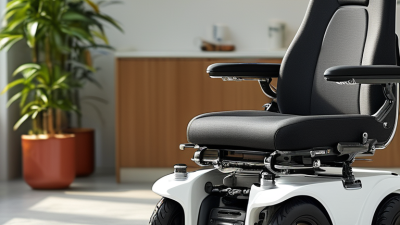
China Top Standing Power Wheelchair Suppliers
China has become an important sourcing market for Standing Power Wheelchair technology. Its manufacturers offer varied designs, production capacity, and customization options. Yet supplier quality differs widely. A polished website does not prove reliable engineering.
Dr. Rory Cooper, a leading wheelchair researcher and founder of the Human Engineering Research Laboratories, has said, “The wheelchair is not the problem; the environment is.” This idea matters when evaluating standing mobility equipment. A suitable chair must work beyond a showroom floor. It should rise steadily beside a kitchen counter, remain stable on uneven pavement, and support safe transfers during daily routines. Suppliers should explain their standing mechanisms, battery performance, seating adjustments, and control systems clearly. They should also provide testing records, user manuals, warranty terms, and responsive after-sales support. ISO 7176-related testing can offer useful evidence, but documents require careful verification.
The best China Standing Power Wheelchair suppliers combine manufacturing experience with practical user feedback. They understand pressure management, posture alignment, center-of-gravity changes, and caregiver access. Some factories excel at customization. Others need stronger clinical validation or clearer export documentation. That difference is easy to miss.
No supplier is perfect.
Buyers should request product samples, inspect welds and actuators, and test emergency lowering functions. They should ask how replacement batteries, controllers, and cushions are handled after delivery. A thoughtful comparison considers reliability, service, safety, and long-term usability together. Price still matters, but an inexpensive wheelchair can become costly when repairs, delays, or poor fitting appear later. This guide examines leading suppliers through evidence, experience, and a practical understanding of real-world standing mobility needs.
Read more »
By:Charlotte
- September 15, 2026
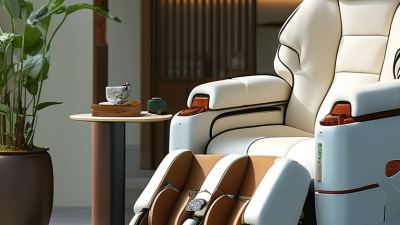
China Top 10 Reclining Power Wheelchair Manufacturers?
China’s powered mobility industry is expanding as ageing populations and disability inclusion reshape global healthcare priorities. This makes the search for China’s top Reclining Power Wheelchair manufacturers increasingly practical.
The World Health Organization and UNICEF reported in their Global Report on Assistive Technology that more than 2.5 billion people need assistive products worldwide. That figure may exceed 3.5 billion by 2050. Yet access remains uneven, especially in low and middle-income markets. A reclining power wheelchair can support pressure relief, postural positioning, resting, and safer daily transfers when properly fitted.
The details matter.
Dr. Rory Cooper, a leading wheelchair researcher and founder of the Human Engineering Research Laboratories, has said, “A wheelchair is not a medical device. It is a mobility device.” His statement challenges buyers to assess real-life independence, not only motors or battery range.
This guide examines ten Chinese manufacturers through a practical lens. It considers manufacturing experience, tilt-and-recline mechanisms, seating customization, controller reliability, battery performance, clinical support, certifications, and export capability. Market reports from Fortune Business Insights and Grand View Research also identify powered mobility as a growing segment, driven by rehabilitation demand and older populations.
Still, a ranking is never perfect. Factory scale does not guarantee comfortable seating. A low price may conceal limited service support. Even attractive specifications can fail on steep ramps, narrow doorways, or uneven pavements. These manufacturers deserve comparison, not blind approval. The strongest choice depends on the user, caregiver, terrain, and long-term maintenance plan.
Read more »
By:Charlotte
- September 15, 2026