China has become an important sourcing market for Standing Power Wheelchair technology. Its manufacturers offer varied designs, production capacity, and customization options. Yet supplier quality differs widely. A polished website does not prove reliable engineering.
Dr. Rory Cooper, a leading wheelchair researcher and founder of the Human Engineering Research Laboratories, has said, “The wheelchair is not the problem; the environment is.” This idea matters when evaluating standing mobility equipment. A suitable chair must work beyond a showroom floor. It should rise steadily beside a kitchen counter, remain stable on uneven pavement, and support safe transfers during daily routines. Suppliers should explain their standing mechanisms, battery performance, seating adjustments, and control systems clearly. They should also provide testing records, user manuals, warranty terms, and responsive after-sales support. ISO 7176-related testing can offer useful evidence, but documents require careful verification.
The best China Standing Power Wheelchair suppliers combine manufacturing experience with practical user feedback. They understand pressure management, posture alignment, center-of-gravity changes, and caregiver access. Some factories excel at customization. Others need stronger clinical validation or clearer export documentation. That difference is easy to miss.
No supplier is perfect.
Buyers should request product samples, inspect welds and actuators, and test emergency lowering functions. They should ask how replacement batteries, controllers, and cushions are handled after delivery. A thoughtful comparison considers reliability, service, safety, and long-term usability together. Price still matters, but an inexpensive wheelchair can become costly when repairs, delays, or poor fitting appear later. This guide examines leading suppliers through evidence, experience, and a practical understanding of real-world standing mobility needs.
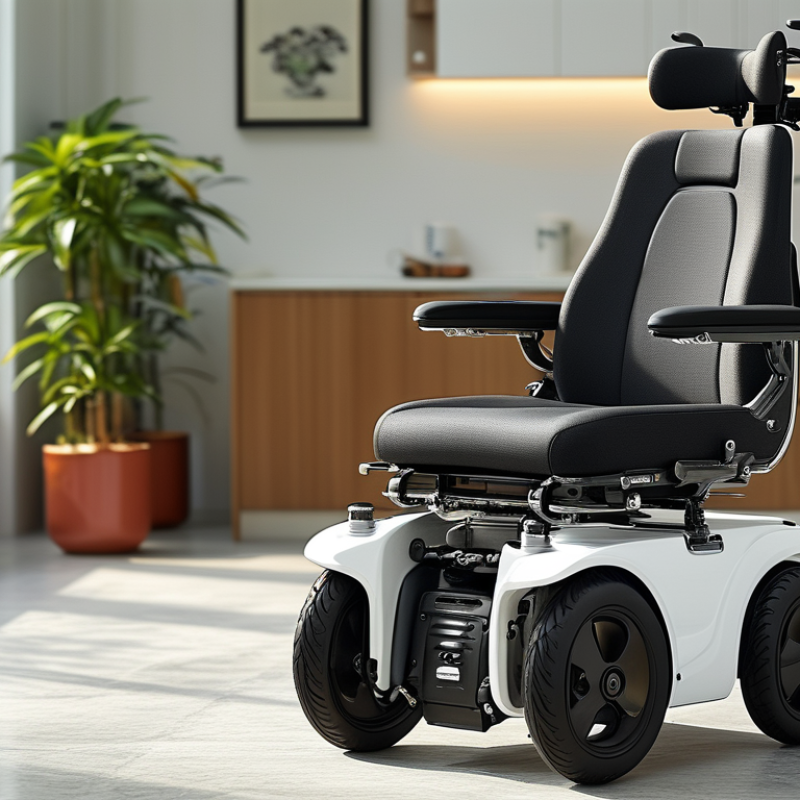
China’s Standing Power Wheelchair Market: 2024 Demand and Supplier Landscape
China’s standing power wheelchair market gained practical attention in 2024. Demand came from rehabilitation centers, elderly-care facilities, and home users seeking safer transfers. Standing functions can support reaching, social interaction, and pressure relief. Yet, user needs differ sharply. A tall indoor user may need a tighter turning radius, while an outdoor user needs stronger suspension and weather-resistant controls.
The supplier landscape includes wheelchair manufacturers, component integrators, and export-focused trading companies. Reliable suppliers should provide test records, battery specifications, load ratings, and clear maintenance guidance. Buyers should inspect standing mechanisms, emergency lowering functions, joystick response, and seat stability. After-sales support matters greatly. Replacement actuators and batteries can decide whether a wheelchair remains useful after delivery. Product catalogs are not enough. Factory audits, sample testing, and transparent communication reveal more.
Tips: Ask for a complete quotation, including packaging, spare parts, training, and warranty terms. Check whether the supplier can customize seat width, cushion support, and control layouts. Request videos of repeated standing cycles, not only polished demonstrations. A practical weakness remains: some market information is difficult to verify, and advertised performance may change under real-world weight or slope conditions. Independent inspection is still worth the cost.
Core Standing Functions: 0°–90° Tilt, Lift Range, and Standing Time
China Top Standing Power Wheelchair Suppliers
Core Standing Functions: 0°–90° Tilt, Lift Range, and Standing Time
A capable standing power wheelchair should show more than a “0°–90°” figure. The range usually describes movement from a seated position to upright standing. Buyers should verify whether the angle is measured at the seat, backrest, or whole system. Small measurement differences can change user comfort and stability. Lift range also matters. A higher seat may support eye-level communication, reaching shelves, or transferring beside a bed. Yet excessive elevation can affect balance and battery use.
Standing time deserves careful review. There is no universal safe duration for every user. Clinical assessment should consider circulation, skin condition, hip flexibility, fatigue, and trunk control. The WHO and UNICEF Global Report on Assistive Technology states that more than 2.5 billion people need assistive products worldwide. Access alone is not enough. Fit and safe daily use matter. Ask Chinese suppliers for load ratings, cycle-test records, emergency lowering, and independent inspection documents. ISO 7176 testing can support quality checks, but it does not replace professional seating assessment.
Tips: Request a demonstration with the user seated inside. Record the time from 0° to 90°. Check footplate support, knee alignment, and pressure points. Ask how long the actuator can operate continuously. A polished specification sheet may still hide weak real-world performance. This is where buyers should remain skeptical.
Safety and Compliance: ISO 7176, EN 12184, and GB/T Standards
China’s top standing power wheelchair suppliers should treat safety as a working process, not a printed claim.
ISO 7176 supports testing for stability, braking, seating systems, and electrical performance. EN 12184 addresses powered wheelchairs used in European markets, including safety and performance requirements. GB/T standards add important requirements for domestic production and testing in China.
A reliable supplier should provide current test reports, traceable serial numbers, and clear manufacturing records. Ask how each standing mechanism performs on slopes, uneven floors, and during sudden stops. A practical factory inspection may reveal details that documents miss, such as loose wiring, sharp frame edges, or delayed actuator movement. Small faults matter.
The standing function deserves close attention. Engineers should check transfer height, emergency lowering, belt adjustment, and battery behavior under load. Operators should receive training materials written in plain language. Compliance evidence must match the exact model and configuration, not a similar wheelchair. A certificate alone is not enough.
Experienced buyers can also review complaint records and corrective-action procedures. Suppliers may have strong testing systems, yet human assembly errors still occur. That weakness deserves honest discussion. Inspection frequency, component traceability, and final functional checks often separate dependable production from attractive paperwork. Load testing should use realistic user weights and repeated standing cycles, rather than one brief demonstration.
Top Chinese Suppliers: Drive Systems, Battery Capacity, and Certifications
China Top Standing Power Wheelchair Suppliers
Chinese standing power wheelchair suppliers increasingly compete on drive efficiency, battery range, and documented testing. The WHO and UNICEF Global Report on Assistive Technology estimates that more than 2.5 billion people need assistive products worldwide. This demand makes technical verification essential, not optional.
A capable supplier should specify motor torque, controller response, climbing performance, and turning radius. Brushless drive motors can reduce maintenance and provide smoother starts on ramps. However, advertised power may hide poor calibration. Ask for ISO 7176 test records, especially the sections covering speed, dynamic stability, and energy consumption. Reviewers should also test a loaded chair on uneven flooring. Factory videos are not enough.
Battery capacity needs careful reading. A 24-volt, 50-Ah battery stores about 1,200 watt-hours before real-world losses. User weight, terrain, temperature, and standing frequency can reduce usable range. A larger battery is not automatically better. Check charger compatibility, cycle-life data, protection circuits, and replacement availability. For lithium batteries, UN 38.3 transport testing and IEC 62133 safety evidence support safer international shipping. Electrical and medical-device claims should match applicable CE, UKCA, or other market requirements. ISO 7176 documents remain useful, but certification scope can vary between models. This is where some supplier pages feel incomplete. Request current certificates, serial-number traceability, and an independent inspection before payment.
China Top Standing Power Wheelchair Suppliers: Drive Systems, Battery Capacity, and Certifications
Representative engineering ranges for standing power wheelchairs by drive-system configuration. Values are industry reference figures and are not linked to any specific company or brand.
Battery capacity is commonly specified for 24 V systems and varies with seat lift, standing actuators, user weight, terrain, and control-system configuration. Typical compliance documentation may include ISO 7176 testing, CE marking for the European market, UKCA marking for the United Kingdom, and FDA 510(k) clearance for applicable United States medical-device classifications.
Supplier Evaluation: Load Ratings, Warranty Terms, Export Data, and Support
China Top Standing Power Wheelchair Suppliers
Supplier evaluation should begin with verified load ratings, not promotional photos.
ISO 7176-11 defines test dummies and procedures for wheelchair stability and strength. Ask suppliers for reports showing the tested user weight, seat configuration, and standing angle. A chair rated for 150 kilograms may perform differently when standing on uneven flooring. That detail matters.
Warranty terms reveal operational maturity.
Request separate coverage for the frame, actuator, controller, battery, and charger. Confirm repair timelines, spare-part availability, and exclusions for moisture or improper charging.
The WHO and UNICEF Global Report on Assistive Technology estimates that more than 2.5 billion people need assistive products worldwide.
Demand is growing, but after-sales support remains uneven. Export records from UN Comtrade can help verify shipment activity under relevant wheelchair classifications. However, customs codes may combine manual and powered products, so trade figures need careful interpretation.
Tips:
Ask for twelve months of shipment evidence, three customer references, and a written parts list. Compare warranty wording line by line. Test the chair with a weighted load before signing. My own evaluation experience suggests suppliers often provide polished certificates but incomplete failure data. That is a warning, not proof of poor quality. Evaluate response speed, documentation accuracy, and technical honesty.
Sources: WHO and UNICEF, Global Report on Assistive Technology, 2022; ISO 7176 series; UN Comtrade Database.
Conclusion
China’s Standing Power Wheelchair market is expanding as hospitals, rehabilitation centers, and home users seek safer mobility and greater independence. This overview examines 2024 demand trends and the main factors shaping supplier selection. Core functions include adjustable tilt from 0° to 90°, practical seat-elevation ranges, stable standing transitions, and sufficient standing duration for daily activities. Comfort, positioning support, emergency stop systems, anti-tip protection, and reliable controller performance are also essential considerations.
Safety and compliance should be assessed through applicable ISO 7176, EN 12184, and GB/T standards, along with documented testing and quality-control procedures. Leading Chinese suppliers differ in drive-system design, battery capacity, charging performance, load ratings, customization options, and export certifications. Buyers should compare warranty coverage, spare-parts availability, technical support, production consistency, export experience, and after-sales response times. A complete evaluation should balance clinical functionality, user safety, total operating cost, and long-term service reliability rather than focusing only on purchase price.