Healthcare Insights

Electronic Wheelchair & Mobility Solutions
Nuk Healthcare Articles & Guides

Expert insights, technical advice, and equipment selection guides for medical procurement and daily care.

Transfer & Care

Hydraulic Patient
Transfer & Hygiene Guides

Stainless steel construction and adjustable options engineered for safe patient transfers.

Accessibility

Foldable Aluminium
Ramp Solutions & Safety Tips

High load capacity portable designs for smooth and accessible patient transit.

Pressure Relief

Medical Air Cushion
Technology & Comfort Advice

Advanced pressure-relief air cushion technology for long-term seating protection.

Power Mobility

Heavy-Duty Electric
Wheelchairs for Demanding Use

Robust battery capacity and reclining options built for specialized clinical requirements.

0%

Choosing the best Aluminium Folding Commode Chair requires more than comparing prices and product photographs. A suitable chair should support safe toileting, comfortable transfers, and practical daily care. It must also fit the user, bathroom, caregiver, and storage space.

Dr. Rory Cooper, a rehabilitation engineer and accessibility authority, has said, “The wheelchair is not the problem; the environment is.” This principle applies to commode chairs too. A chair may appear excellent in a showroom, yet fail beside a narrow toilet or uneven bathroom floor. Measure doorways, seat height, transfer space, and storage clearance before purchasing. Small details matter.

Look closely at the aluminium frame, folding joints, seat width, footrests, armrests, and locking casters. The frame should feel firm, not loose, when gently tested. The seat should provide enough room without making side transfers difficult. A removable bucket can simplify cleaning, while a splash guard may improve positioning over a toilet. Comfort matters, but stability comes first.

Do not trust every impressive specification. A lightweight chair may sacrifice rigidity. A padded seat may retain moisture. I would not choose based on appearance alone. That is an easy mistake. Check the stated weight capacity, brake design, corrosion resistance, cleaning instructions, and warranty. User experience also deserves attention: can the caregiver fold it without pinched fingers? Can the user sit securely for several minutes? The right Aluminium Folding Commode Chair balances safety, hygiene, mobility, and real bathroom conditions. Perfect choices are rare, so careful measurement remains essential.
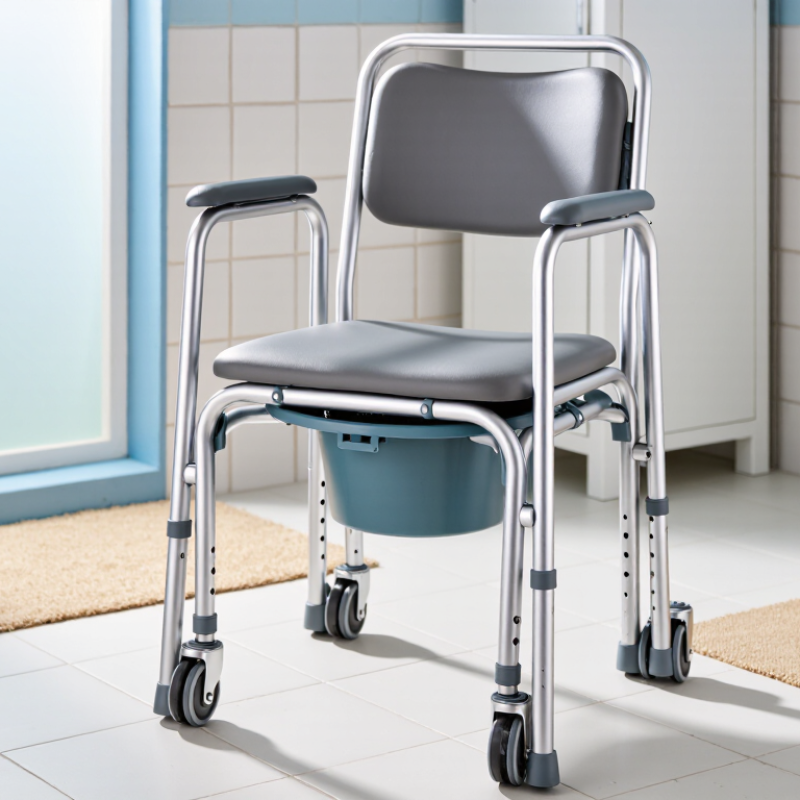
How to Choose the Best Aluminium Folding Commode Chair?

Define Your Commode Chair Needs and User Requirements

Choosing an aluminium folding commode chair begins with the user, not the frame. Identify where it will be used, how often, and who will handle it. A bedside user may need a compact chair with a removable bucket. Someone transferring from a wheelchair may need wider clearance and stable armrests.

Measure the user’s hip width, sitting height, and bathroom doorway. The seat should support a balanced posture, with both feet resting firmly on the floor. Check the stated weight capacity, seat dimensions, and folding size in the product instructions. Do not estimate these details by appearance. Aluminium can feel light, yet poor positioning can still make transfers unsafe.

Consider strength, balance, and hand control. A user with limited grip may need simple locking parts and easy-to-clean surfaces. A caregiver may value a lighter frame, but excessive lightness can reduce confidence during movement. That trade-off is easy to overlook. Adjustable legs can help on uneven floors, although poorly tightened legs may become a hazard. Test the chair before regular use, inspect the fasteners often, and ask a healthcare professional to review the setup when the user has serious mobility limitations.

Compare Frame Materials, Weight Limits, and Overall Stability

How to Choose the Best Aluminium Folding Commode Chair?

Frame material affects daily handling and long-term stability. Aluminium is lightweight, corrosion-resistant, and easier to lift beside a bed. Steel usually feels more rigid, but its extra weight can hinder transfers. Check the frame tubing, welds, hinges, and locking pins. A loose folding joint can create movement even when the frame looks strong. ISO 17966:2016 highlights stability, strength, and safe performance as key requirements for toileting assistive products.

Weight limits need careful reading. The stated capacity should exceed the user’s body weight, clothing, and transfer movement. Do not treat the maximum number as a comfortable target. WHO reports that falls cause about 684,000 deaths worldwide each year, with adults over 60 facing the greatest risk. A wide base, non-slip feet, and correctly adjusted leg height can reduce rocking on bathroom floors. Check whether all four feet touch the ground. Small gaps matter.

Seat width and center-of-gravity also influence stability. A narrow seat may feel restrictive, while an oversized seat can reduce posture control. The CDC notes that more than one in four older adults falls annually in the United States. That figure makes “lightweight” an incomplete buying goal. In practice, I would test the chair with gentle side pressure before use. It may still move. That is a useful warning, not a failure. Sources: WHO Falls Fact Sheet, 2021; CDC STEADI Initiative; ISO 17966:2016.

Evaluate Seat Comfort, Hygiene Features, and Adjustability

How to Choose the Best Aluminium Folding Commode Chair?

Seat comfort should be tested, not guessed. Sit for ten minutes and check pressure around the thighs, hips, and tailbone. A firm, washable seat can support transfers, but excessive hardness may cause discomfort during extended use. The WHO and UNICEF Global Report on Assistive Technology (2022) estimates that 2.5 billion people need at least one assistive product. That figure may exceed 3.5 billion by 2050. User fit therefore matters more than appearance.

Hygiene features deserve equal attention. Choose a removable bucket, smooth joints, and a splash-resistant surface. Check whether the seat, lid, and armrests tolerate the manufacturer’s approved cleaning agents. Avoid deep seams that trap moisture. Small details matter. The Centers for Disease Control and Prevention reports that more than 3 million older adults receive emergency treatment for fall injuries each year. Secure locking casters, stable armrests, and correctly adjusted height can reduce transfer difficulties, though they cannot remove every risk.

Adjustability should match the user’s body and bathroom layout. Measure the seat height beside the toilet, not only on a showroom floor. Look for tool-free height settings, supportive footrests, and arms that do not obstruct lateral transfers. Aluminium reduces weight, but thin tubing can feel less rigid. I would test the folded chair in a car and inspect every hinge. My own checklist is imperfect; comfort can change after several weeks, especially when swelling or reduced strength develops. Select according to current needs, then reassess regularly.

How to Choose the Best Aluminium Folding Commode Chair? - Evaluate Seat Comfort, Hygiene Features, and Adjustability
Generic Configuration Seat Comfort Hygiene Features Adjustability Safety and Stability Portability and Mobility Best Use Case
Basic Folding Aluminium Commode Rating: ★★★☆☆
Padded vinyl seat with a standard opening. Suitable for short periods of use, but limited contouring may provide less pressure relief.
Removable plastic commode bucket with a lid and carrying handle. Smooth surfaces allow routine cleaning with mild soap and water. Typically includes 5 to 6 leg-height positions using push-button adjustment. Common seat-height range: approximately 45–55 cm. Non-slip rubber tips, a lightweight aluminium frame, and locking folding joints. Check that all four leg tips contact the floor before use. Usually weighs about 5–7 kg and folds for storage. Suitable for indoor transport, but not normally designed as a wheelchair. Occasional nighttime toileting and users who need a simple, lightweight aid.
Padded Seat and Armrest Model Rating: ★★★★☆
Wider padded seat and padded armrests improve comfort during longer sitting periods and assist with controlled transfers.
Detachable padded cover, removable bucket, splash guard, and smooth frame surfaces. The cushion should be removed and disinfected according to its material instructions. Push-button leg adjustment is common. Some models offer adjustable armrests or a seat height of approximately 46–56 cm. Armrests provide additional transfer support. A stronger frame and wider base can improve stability, but the user must remain within the stated weight capacity. Common weight range is about 6–8 kg. Folds for storage, although padded armrests may increase the folded size. Users who prioritize comfort, transfer support, and regular bedside use.
Drop-Arm Aluminium Commode Rating: ★★★★☆
A padded or contoured seat can support comfortable use while the drop-arm design reduces the need to step over fixed armrests.
Removable bucket, splash guard, and open-access arm mechanism. More moving parts require regular inspection and cleaning around hinges. Adjustable leg height is usually available in 5 to 6 positions. Drop arms may swing down or detach to support lateral transfers. Locking arm supports and non-slip feet improve transfer safety. Confirm that the armrests are fully locked before sitting down. Often weighs approximately 7–9 kg. Folding is available on many designs, but the drop-arm hardware may add bulk. Users with limited leg strength, reduced balance, or a need for assisted side transfers.
Commode Shower Chair with Casters Rating: ★★★★☆
Open-seat or padded-seat options are available. A backrest and arm supports can improve posture during showering and toileting.
Waterproof frame, removable bucket, splash guard, and corrosion-resistant aluminium components. Drainage openings help water flow away during shower use. Height-adjustable legs are common, while some versions provide a fixed seat height. Caster brakes should be accessible to the caregiver. Four lockable casters can support controlled movement on level surfaces. Brakes must be engaged before transfers and personal care. Usually heavier than a basic model, commonly around 8–12 kg. Intended for short-distance indoor movement rather than uneven outdoor surfaces. Assisted showering and toileting for users who cannot safely walk to the bathroom.
Self-Propelled Commode Shower Chair Rating: ★★★★☆
Larger seat options, a backrest, and padded arm supports may improve comfort, but wheel clearance and seat width should be checked carefully.
Removable bucket, open hygiene area, washable upholstery, and corrosion-resistant aluminium frame. Components should be dried after showering to reduce odour and corrosion risk. Leg-height adjustment is common. Large rear wheels and hand rims allow user propulsion, while wheel locks provide stationary positioning. Hand brakes or wheel locks, anti-tip features, and footrests improve control. The chair should only be self-propelled on suitable, level indoor surfaces. Typically weighs about 10–15 kg and may be less compact when folded. Larger wheels improve manoeuvrability but require more storage space. Users with adequate upper-body strength who need independent indoor movement between bedroom, bathroom, and shower area.
Extra-Wide Bariatric Aluminium Commode Rating: ★★★★☆
Wider seat and reinforced upholstery provide more usable sitting space. Confirm the seat width and pressure-relief needs before purchase.
Large removable bucket, splash guard, and wipe-clean surfaces. A wider opening and accessible bucket can simplify caregiver hygiene routines. Some designs provide adjustable legs, while others use a reinforced fixed-height frame. Verify that the final seat height suits the user's transfer method. Reinforced aluminium structure, wider base, arm supports, and non-slip feet are common. Never exceed the manufacturer's stated maximum user weight. Usually heavier and less compact than standard folding chairs, commonly about 8–13 kg. Folding capability varies by design. Users requiring additional seat width and a higher stated weight capacity for supported transfers.
Selection note: Before purchase, verify the seat width, seat height, maximum user weight, bucket dimensions, folded size, brake operation, and compatibility with the bathroom or bedside space. Actual specifications vary by model configuration.

Check Folding Design, Portability, and Storage Convenience

Choosing the best aluminium folding commode chair starts with its folding design. A 2022 WHO and UNICEF Global Report on Assistive Technology estimates that over 2.5 billion people need at least one assistive product worldwide. That need makes practical design important, not decorative.

Check whether the frame folds smoothly without trapping fingers. A clear locking mechanism should click firmly and remain stable during transfers. Measure the chair when folded, not only when opened. It should fit beside a wardrobe, under a bed, or inside a vehicle. Many buyers overlook folded width. I did too.

Portability depends on more than aluminium’s low weight. Compare the chair’s net weight, seat width, maximum user weight, and wheel configuration. Large rear wheels may improve movement, but they can reduce storage convenience.

Small castors save space, yet they may perform poorly on thick carpets or uneven bathroom floors. Test the brakes with the user seated whenever possible.

The WHO and UNICEF report also highlights major gaps in access, so affordability should not replace safety checks. Look for corrosion-resistant surfaces, removable cleaning parts, and clear load-rating documents. Documentation referencing applicable requirements, such as ISO 21856:2022, offers stronger evidence than vague “medical grade” wording. My checklist is not perfect. Real bathroom space and caregiver strength still matter most.

Review Safety Standards, Maintenance Needs, and Purchase Value

How to Choose the Best Aluminium Folding Commode Chair?

Safety should guide the purchase, not the folding mechanism alone. Check the stated user weight, seat width, locking pins, brake performance, and anti-slip ferrules. A stable chair should not wobble when weight shifts during transfers. Look for applicable medical-device or bathroom-safety requirements in your country. Standards differ by market. Ask for test reports instead of trusting a compliance label alone. The frame should lock fully before use, with no sharp edges or exposed rivets.

Maintenance is simple, but it cannot be ignored. Rinse the commode bucket after each use, then dry it thoroughly. Moisture left near hinges may encourage corrosion or unpleasant smells. Inspect bolts, folding joints, rubber tips, and seat attachments every week. Replace worn ferrules quickly. Do not use household bleach unless the care instructions permit it. Strong chemicals may damage plastic parts. A small flaw can become a safety concern.

Purchase value includes more than the lowest price. Measure the bathroom doorway, storage space, and user’s hip width before ordering. Confirm whether replacement buckets, seats, and wheels are available separately. A longer warranty may matter less than accessible spare parts. In practical use, a lightweight aluminium frame is convenient, but very light models may feel less stable. I would prioritize fit over appearance. Even a careful checklist can miss comfort, transfer height, or caregiver handling. Test these details when possible, because a chair that folds neatly may still be awkward beside a toilet.

How to Choose the Best Aluminium Folding Commode Chair?

This practical evaluation model gives the highest priority to safety because the chair must remain stable, support the user securely, and include reliable brakes or non-slip feet. Maintenance focuses on corrosion-resistant aluminium, easy-to-clean surfaces, removable parts, and replacement availability. Fit and purchase value should be checked through seat dimensions, maximum user weight, folding size, warranty, and long-term durability.

FAQS

Why is aluminium useful for a folding commode chair?

Aluminium keeps the frame lighter and resists corrosion. It is easier to lift beside a bed. However, thin tubing may feel less rigid.

How should I read the chair’s weight limit?

The limit should exceed body weight, clothing, and transfer movement. Do not treat the maximum rating as a comfortable target.

What frame details should I inspect before buying?

Check the tubing, welds, hinges, locking pins, and folding joints. A loose hinge can cause movement. Small gaps matter.

How can I test stability at home?

Place the chair on a level bathroom floor. Confirm all four feet touch the ground, then apply gentle side pressure. It may still move.

Does seat width affect safety and posture?

Yes. A narrow seat may restrict movement, while an oversized seat can reduce posture control. Choose a width that supports the hips without crowding.

How can I judge seat comfort?

Sit for about ten minutes and check the thighs, hips, and tailbone. A washable, firm seat helps transfers, but excessive hardness may hurt.

Which hygiene features are practical?

Choose a removable bucket, smooth joints, and a splash-resistant surface. Avoid deep seams that hold moisture. Confirm cleaning compatibility before use.

What adjustments should the chair provide?

Look for tool-free height settings, supportive footrests, and arms that allow side transfers. Measure beside the toilet, not only in a showroom.

Should I test the folded chair before purchasing?

Yes. Check whether it fits your car and inspect every hinge after folding. My checklist is imperfect; comfort can change after several weeks.

Conclusion

Choosing the right Aluminium Folding Commode Chair begins with understanding the user’s mobility, size, comfort, and daily care requirements. Consider the chair’s frame material, weight capacity, and overall stability to ensure dependable support during use. A strong but lightweight design can improve handling without sacrificing safety. The seat should provide adequate comfort, while features such as a removable bucket, washable surfaces, armrests, footrests, and adjustable height can make personal care more convenient and hygienic.

Folding capability is also important for users with limited storage space or those who need to transport the chair. Look for a compact structure that folds easily while remaining secure when opened. Before purchasing, review safety features, locking mechanisms, maintenance requirements, and the availability of replacement components. Comparing durability, functionality, comfort, and long-term value will help you select an Aluminium Folding Commode Chair that is practical, safe, and suitable for everyday use.

Amelia

Amelia

Amelia is a highly experienced marketing professional who combines strategic insight, clear communication, and a deep understanding of customer needs. As a dedicated member of our team, she has developed extensive expertise in the company’s products, services, and solutions, enabling her to explain......