Featured CE-Certified Power Mobility Solutions
Direct OEM/ODM Supply from Certified Medical Equipment Manufacturing Lines
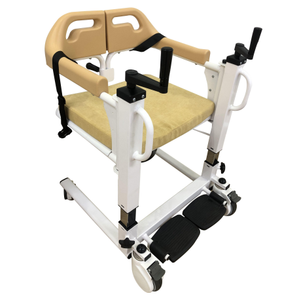
- Waterproof Rating: IPX5 Medical Grade
- Function: Electric Lift & Commode
- Target: Patient Transfer Care
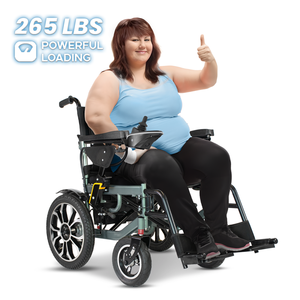
- Seat Width: 58cm Extra Wide
- Classification: Class II Medical Device
- Load Capacity: 120kg Rated
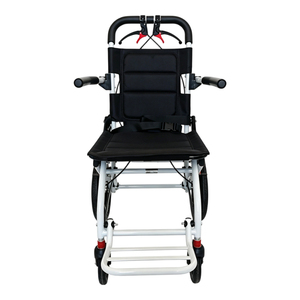
- Frame: Reinforced Carbon Steel
- Structure: Double Crossbar Support
- Ergonomics: Padded Armrests
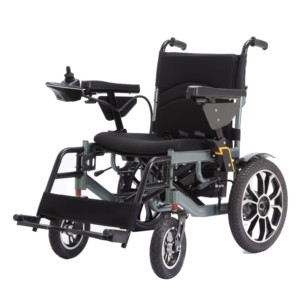
- Motor Drive: Dual 250W BLDC
- Max Load: 300kg Peak Support
- Braking: Electro-Magnetic System
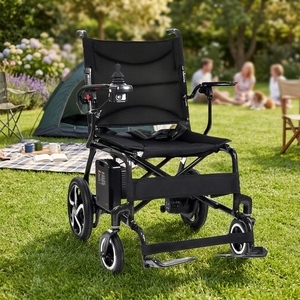
- Mechanism: Quick 3-Second Fold
- Battery: Quick-Release Lithium
- Certification: CE EN 12184 Compliant
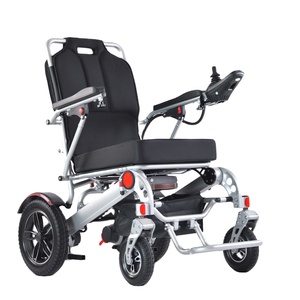
- Alloy: 6061 Aviation Aluminum
- Portability: Airline Approved UN38.3
- Controller: 360° Smart Joystick
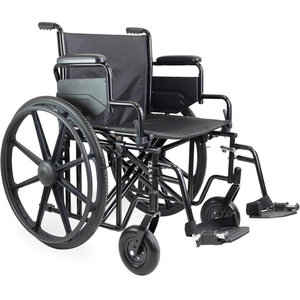
- Heavy Duty Payload: 225kg
- Warranty: 3-Year Structural Frame
- Features: Rotating Footrests
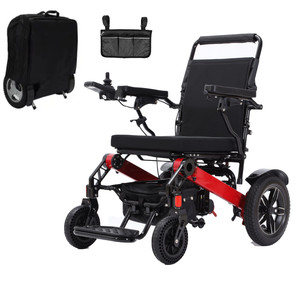
- Compact Footprint for Travel
- Dual Motor Power Drive
- Factory Direct B2B Pricing
Executive Industry Overview: The Global CE-Certified Electric Wheelchair Market
The global medical equipment procurement landscape is undergoing a structural transition toward high-reliability, smart-assisted personal mobility devices. Driven by an accelerating demographic aging trend across Europe, North America, and East Asia, the global powered wheelchair market is projected to expand at a CAGR of 7.8% over the next decade. However, for B2B procurement managers, hospital supply buyers, and medical device distributors, navigating the global manufacturing ecosystem requires a stringent understanding of regulatory compliance, structural testing, and safety certifications.
Sourcing directly from verified CE certified electric wheelchair factories eliminates regulatory risk, reduces product recall exposure, and ensures institutional tenders meet national healthcare accreditation criteria. A certified factory does not merely attach a CE label; it integrates rigorous Quality Management Systems (QMS) aligned with ISO 13485:2016 from incoming raw material inspection (IQC) to final in-line burn-in testing (OQC).
Deciphering Regulatory Directives: CE MDD vs. EU MDR Compliance
Procurement teams must distinguish between legacy CE declarations issued under the outdated Medical Devices Directive (MDD 93/42/EEC) and the current Medical Device Regulation (EU MDR 2017/745). The MDR framework mandates rigorous post-market surveillance (PMS), unique device identification (UDI) traceability, and proven clinical evaluation reports (CER). Factories capable of supplying compliant products maintain ongoing technical files validating performance against EN 12184:2014 (Electrically Powered Wheelchairs, Scooters, and Their Chargers).
| Compliance Benchmark | Legacy MDD (Directive 93/42/EEC) | Current EU MDR (Regulation 2017/745) | Impact on B2B Procurement |
|---|---|---|---|
| Traceability Requirement | Basic batch lot numbers | Mandatory UDI (Unique Device Identifier) | Guarantees complete supply chain transparency from factory to patient. |
| Battery & Electrical Safety | Basic self-declaration | EN 60601-1 / EN 12184 Third-Party Audit | Prevents battery thermal runaway and electrical system failure risks. |
| Risk Management | Basic hazard analysis | ISO 14971 Full Lifecycle Risk Governance | Ensures fail-safe electromagnetic braking and structural reliability. |
| Post-Market Surveillance | Reactive complaint tracking | Proactive PMS & Periodic Safety Update Reports | Protects distributors from sudden product liability and recall costs. |
Engineering Standards & Technical Sourcing Benchmarks
When evaluating electric wheelchair suppliers, B2B buyers must analyze the structural core, drivetrain mechanics, and control electronics. The durability of an electric wheelchair depends directly on component engineering choices made at the factory level.
Motor & Drive Technology
High-tier factories utilize Brushless DC (BLDC) motors paired with intelligent worm-gearboxes. BLDC systems provide 30% higher energy efficiency, silent operation, and zero maintenance compared to legacy brushed motors, dramatically extending battery range per charge cycle.
BMS & Battery Safety
Compliance with UN 38.3 (Transport Safety), IEC 62133, and MSDS standards is critical for international air/sea freight. OEM lithium packs must feature integrated Battery Management Systems (BMS) for over-charge, over-discharge, short-circuit, and thermal protection.
Smart Joystick Controllers
Industry-standard controllers from leading brands (PG Drives Technology / Dynamic Controls) feature 360-degree Hall-effect sensing, customizable acceleration curves, anti-roll-back safety algorithms, and real-time fault diagnostics displayed on LED panels.
Chassis Metallurgy
Aviation-grade 6061-T6 aluminum alloy and hydroformed magnesium alloy frames offer optimal power-to-weight ratios. For bariatric models (rated up to 300kg), reinforced double-crossbar high-tensile carbon steel ensures structural stability under extreme load fatigue tests.
Electromagnetic Braking
Fail-safe Electromagnetic Brakes (EMB) are non-negotiable for CE compliance. The EMB system automatically engages the moment the user releases the joystick, securing the wheelchair on inclines up to 12 degrees without manual lever intervention.
Ergonomics & Tissue Protection
Incorporating pressure-relieving contoured seating materials (high-resilience cold-cured polyurethane foam or air-cell cushions) helps prevent pressure injuries (Decubitus Ulcers) during prolonged sitting, fulfilling clinical rehabilitation requirements.
Future Sourcing & Technological Trends in Electric Wheelchair Manufacturing
As the medical mobility market evolves, innovative technological integration is redefining standard product lines. Suppliers that stay ahead of the technology curve provide distributors with a sustainable competitive edge.
1. AI-Assisted Navigation & Obstacle Avoidance Systems
Next-generation electric wheelchairs are rapidly adopting ultrasonic sensor arrays, LiDAR mapping, and depth cameras. These smart sensors interface directly with motor controllers to automatically decelerate or steer around obstacles, drop-offs, and doorways, providing critical assistance for users with impaired vision or neurological conditions.
2. IoT Telematics & Remote Diagnostics for Fleet Operators
Institutional buyers, such as hospitals and rental network operators, increasingly demand IoT-connected wheelchairs. Embedded cellular/GPS modules transmit real-time telemetry data regarding battery state-of-health (SoH), motor performance, cycle counts, and location. This allows distributors to offer predictive maintenance services before hardware failure occurs.
3. Ultra-Lightweight Carbon Fiber Micro-Mobility
The trend toward travel-friendly, portable mobility has driven factories to substitute traditional metal frames with continuous carbon fiber composites. Net frame weights drop below 14kg, while maintaining tensile strength superior to steel. Compact, one-touch folding mechanisms allow seamless storage in airline cargo compartments and automobile trunks.
4. Powered Standing & Tilt-in-Space Postural Mechanics
Advanced rehabilitation wheelchairs now incorporate electric standing actuators and tilt-in-space mechanisms. Controlled via joystick interface, standing wheelchairs promote lower extremity weight-bearing, improve circulation, reduce spasticity, and enhance psychological independence by enabling eye-level social interactions.
Factory Audit Protocols & Supply Chain Verification
To avoid supply disruptions, customs impoundment, or regulatory non-compliance, B2B sourcing professionals should execute a multi-point supplier qualification protocol prior to issuing purchase orders.
QMS & Regulatory Verification
Confirm the factory holds an authentic ISO 13485 certificate issued by an accredited Notified Body (e.g., TÜV Rheinland, SGS, TÜV SÜD). Verify that CE technical files explicitly reference EN 12184 test reports from certified third-party laboratories.
In-House Testing Infrastructure
Qualified factories must operate dedicated testing equipment including double-drum fatigue test rigs, drop-impact testers, incline stability ramps, climate chamber environmental exposure cabinets, and waterproof spray test booths (IPX4/IPX5).
Sub-Tier Vendor Controls
Inspect raw material supply chains. Premium factories enforce strict IQC standards on raw aluminum extrusion purity, battery cell quality (Grade A lithium-ion cells), and electronic PCB coating to resist moisture corrosion.
Enterprise Advantages & Factory Direct Capabilities
Partnering with an established manufacturing enterprise provides B2B clients with end-to-end technical support, flexible custom engineering, and scalable production capacity.
15+ Years Industry OEM/ODM Expertise
Over a decade and a half of dedicated R&D in personal mobility, manufacturing customized wheelchairs tailored to specific regional healthcare regulations and brand specs.
Complete Quality Assurance (IQC-IPQC-OQC)
Every electric wheelchair undergoes 100% full-functional testing on automated dyno rigs, electronic insulation checks, and dynamic load testing before export packing.
Global Logistics & UN38.3 Compliance
Complete documentation packages provided for air, sea, and rail freight, including UN38.3 battery transport certificates, MSDS, and drop-test packaging compliance.
Customization (Seat Width, Colors, Motors)
Tailored OEM modifications available: seat widths from 40cm to 58cm+, specialized controller tuning, custom frame powder coating, private label branding, and localized user manuals.
B2B Procurement FAQ: CE Certified Electric Wheelchairs
Essential guidance for international buyers, medical distributors, and supply chain managers.