High-Load Mobility & Assistive Safety Systems
Explore our ISO 13485 & CE compliant medical transfer aids, bariatric wheelchairs, and support handrails designed for healthcare facilities, institutional care, and home accessibility retrofit projects.
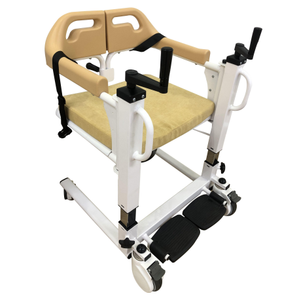
Hot Sale Factory Manufacturer Electric Bathroom Commode Transfer Wheelchair From Dragon Medical
- Waterproof IPX6 Electric Lift System
- Seamless Commode & Shower Transfer
- Heavy-Duty Steel Load Structure
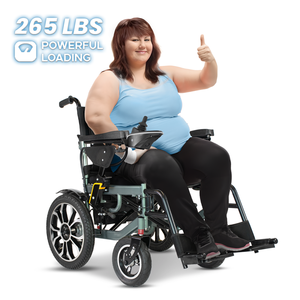
120kg Bariatric Electric Wheelchair Caremoving CMD-05 Folding Class II 58cm Wide 1 Year Warranty
- 58cm Ergonomic Extra Wide Seat
- Precision Motorized Braking System
- Compact Quick-Fold Mechanism
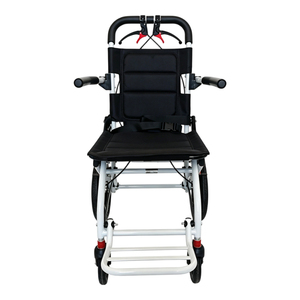
Heavy Duty Manual Wheelchair Foldable Bariatric Mobility Chair Wide Seat High Weight Capacity for Overweight Disabled Adults
- Reinforced Steel Double-Cross Frame
- High Impact Puncture-Proof Solid Tires
- Fire-Retardant Breathable Upholstery

300kg Bariatric Electric Wheelchair CareMoving CMD05 250W Motor 58cm Wide Electric Wheelchair Max Load 120kg
- Dual 250W High-Torque Motors
- Structural Integrity up to 300kg Static
- Smart Electromagnetic Safety Brake
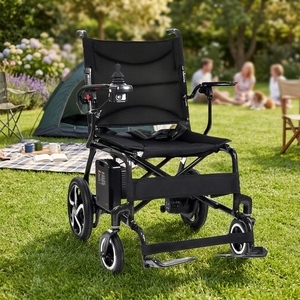
Electric Wheelchair Cheap Price Bariatric Wheel Chair Detachable Foldable Walk Electric Folding Wheelchair
- Detachable Modular Battery Pack
- Flight-Approved Lithium-Ion Cells
- Cost-Effective Bulk Wholesale Unit
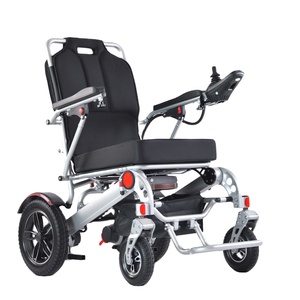
Big Size Customized Bariatric Heavy Duty Wheelchair Electric Folding Lightweight Power Travel Wheelchair
- Aircraft-Grade Aluminum Chassis
- Customizable Frame Widths & Colors
- All-Terrain Anti-Tip Rear Wheels
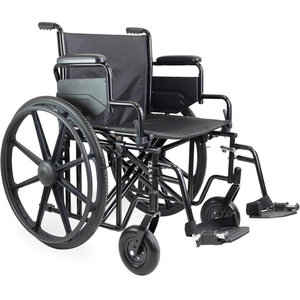
Heavy Duty Wheelchair (225kg) Wide Bariatric Folding Double Crossbar Steel Frame 3-Year Warranty PEPE Mobility
- Certified 225kg Dynamic Payload
- 3-Year Factory Warranty Protection
- Swing-Away Rotating Footrests
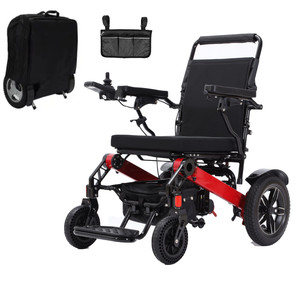
China Bariatric Power Wheelchair Scooters Motorized Wheel Chairs Compact Folding Electric Wheelchair
- Ergonomic 360-Degree Joystick
- Ultra-Compact Urban Mobility Base
- ISO/CE Direct Factory Supply
Why Institutional Buyers Trust Our Grab Bar Manufacturing
Combining 15+ years of clinical metallurgy, biomechanical engineering, and certified factory automation to deliver zero-defect mobility hardware.
SUS 304 / 316 Stainless Steel Construction
Fabricated using heavy-gauge marine-grade stainless steel to eliminate structural bending, oxidation, and pitting under perpetual high-humidity bathroom exposure.
Anti-Bacterial ABS / Nylon Sleeving
Outer structural sleeves feature non-porous antimicrobial silver-ion additives that inhibit bacterial growth by 99.9%, fulfilling stringent hospital hygiene standards.
Robotic TIG Flange Welding
Fully automated 360-degree orbital TIG welding eliminates micro-fractures at flange-to-pipe junctions, ensuring ultimate shear resistance during sudden fall loads.
Tactile Anti-Slip Surface Texture
Engineered knurled or textured outer finishes prevent hand slippage even when wet or coated in soapy water, providing maximum user confidence.
Universal ADA & European Standard Sizing
Offered in standardized 32mm, 35mm, and 38mm outer diameters with wall clearances designed to satisfy ADA 4.26 and European EN 12182 specifications.
Comprehensive B2B Customization (OEM/ODM)
From CAD prototype design, laser engraving, wall-anchor kit customization, to private label packaging for international medical distributors.
Engineering Whitepaper: CE Certification Standards & Biomechanical Requirements for Grab Bars
In modern architectural healthcare planning and institutional barrier-free retrofit projects, grab bars serve as critical load-bearing life safety equipment rather than simple sanitary hardware. According to global patient safety statistics, slips and falls in clinical bathrooms represent over 70% of non-surgical hospital injuries. As a professional B2B buyer, hospital procurement officer, or medical equipment importer, sourcing CE certified grab bars requires a thorough technical understanding of structural compliance, metallurgy, dynamic load calculations, and ergonomic grip mechanics.
Regulatory Compliance Insight: Under the European Union Medical Device Regulation (MDR 2017/745) and EN 12182:2012 standards, grab bars utilized in healthcare environments are categorized under Class I Assistive Products for Persons with Disability. Manufacturers must prove static pull resistance exceeding 1.5 kN (approx. 150 kg) applied at any point and direction without permanent deformation or structural failure.
1. Metallurgical Breakdown & Material Selection Matrix
Selecting the appropriate raw material directly determines the operational lifespan, anti-corrosion rating, and maximum load capacity of safety grab bars. Commercial Grade 201 stainless steel or unreinforced aluminum alloys often fail premature stress corrosion cracking (SCC) tests in chlorine-rich or humid environments. Industrial-grade manufacturing utilizes high-nickel chromium alloys:
| Material Type | Tensile Strength (MPa) | Corrosion Resistance | Recommended Facility Application | Compliance Standard |
|---|---|---|---|---|
| AISI 304 Stainless Steel | ≥ 520 MPa | High (Salt Spray > 96 Hours) | Hospitals, Senior Living, Public Restrooms | ASTM A240 / EN 10088-2 |
| AISI 316 Marine Stainless | ≥ 620 MPa | Ultra-High (Salt Spray > 240 Hours) | Hydrotherapy Pools, Coastal Facilities | ASTM A240 / ISO 3506 |
| Nylon-Coated Steel Core | ≥ 480 MPa (Core) | Chemical & Acid Resistant Coating | Psychiatric Wards, Long-term Care Units | EN 12182 / ISO 17966 |
| High-Impact ABS Outer Sleeve | ≥ 400 MPa (Composite) | Non-corrosive Warm-touch Surface | Residential Care, Assisted Living | CE Mark Class I Medical |
2. Structural Mechanics & Wall Anchor Physics
A grab bar is only as safe as its weakest connection point. Structural failure rarely occurs in the central tube; rather, 85% of field failures stem from flange weld shear or improper wall anchor selection. Our factory utilizes 3-hole heavy-gauge mounting flanges with 1.5mm to 2.0mm wall thickness tubes. During installation, structural calculations must account for three distinct force vectors:
A. Vertical Downward Shear Load: Caused by the full body weight of the user leaning during standing transition.
B. Outward Pull Force (Tension): Generated when a falling user instinctively jerks the bar away from the wall.
C. Torsional Moment (Torque): Created when lateral force is applied to fold-up or swing-away grab bar configurations.
3. Ergonomic Diameter & Surface Tactility Standards
The human hand grip dynamics vary significantly between elderly users suffering from arthritis and stroke rehabilitation patients. Biomechanical research indicates that an outer diameter between 32mm (1.25 inches) and 38mm (1.5 inches) allows optimal power grip closing force. Tubes smaller than 25mm pinch finger joints, while diameters exceeding 45mm reduce total grip locking strength by over 40%.
Furthermore, surface finishing plays a decisive role in wet friction coefficients. Polished mirror finishes offer low friction when soapy; therefore, clinical specification requires satin brush finish, micro-knurling patterns, or ribbed anti-bacterial polymer sleeves to maintain a minimum wet slip resistance coefficient of μ ≥ 0.6.
Future Procurement & Global Industry Trends (2025–2030)
As global demographics shift toward an aging population, the global medical mobility assist market is expanding exponentially. B2B importers, hospital procurement agencies, and distributors must align their supply chain strategies with four emerging industry shifts:
Trend 1: Smart IoT-Integrated Fall Prevention Bars
Next-generation grab bars are evolving from passive hardware into active monitoring nodes. Advanced OEM models now integrate micro-piezoelectric pressure sensors and capacitive grip detectors inside the bar core. If an abrupt downward force peak (indicating a fall) is detected, or if zero hand pressure is sensed for extended periods while the user is in the shower, the bar wirelessly broadcasts an emergency alert to the facility nurse station via Zigbee or Wi-Fi 6 networks.
Trend 2: Ultra-Bariatric Heavy Load Expansion (Up to 400kg Capacity)
With worldwide rates of severe obesity rising, standard 120kg-rated grab bars no longer meet institutional liability requirements for specialized bariatric wards. Future procurement contracts increasingly mandate heavy-duty double-crossbar wall supports, floor-to-wall anchored safety rails, and bariatric transfer chairs (such as the 225kg and 300kg rated systems highlighted in our catalog) tested to static loads of 400kg (880 lbs) without deflection.
Trend 3: Antimicrobial Surface Innovation & Warm-Touch Materials
Cold metallic stainless steel surfaces can trigger muscle spasticity or discomfort in elderly patients suffering from Raynaud’s syndrome or neurological conditions. The industry is rapidly shifting toward antimicrobial polymer-sheathed grab bars featuring silver-ion (Ag+) infused outer layers. These surfaces offer permanent 24/7 self-sterilization against Methicillin-resistant Staphylococcus aureus (MRSA) and E. coli while providing a comfortable "warm-touch" tactile feel.
Trend 4: Modular & Tool-Free Quick-Lock Systems
To reduce hospital room downtime during barrier-free retrofits, modular mounting systems featuring click-in base plates and hidden mounting screws are gaining massive traction. Fast-track construction contracts prioritize grab bar designs that allow easy height adjustment or total fold-away stowing when non-disabled patients occupy the room.
Medical Grade vs. Commercial Grade Procurement Comparison
Protect your brand reputation and eliminate institutional liability by understanding key manufacturing differences before signing wholesale purchase agreements.
| Evaluation Parameter | Certified Medical Grade (Dragon / Nuk Spec) | Generic Commercial Hardware | Institutional Risk Factor |
|---|---|---|---|
| Raw Material Purity | Guaranteed SUS 304 / 316 with Mill Test Certificate | Reclaimed 201 Steel or Low-Grade Alloy | High Risk of Rusting & Stress Snap Failure |
| Flange Weld Integrity | Full Circumference Robotic TIG Welding | Spot Welded at 3 or 4 Points | Catastrophic Detachment Under Impact Load |
| Static Pull Load Capacity | Verified ≥ 250kg to 400kg Pull Test | Unverified (< 90kg Limit) | Non-compliance with Hospital Safety Standards |
| CE & ISO Certification | Full CE Mark under EU MDR 2017/745 Class I | Self-Declared or No Documentation | Customs Seizure & Legal Liability |
| Salt Spray Resistance | Neutral Salt Spray (NSS) Test > 96–240 Hours | Fails within 24 Hours Exposure | Rapid Surface Pitting & Discoloration |
Frequently Asked Questions by B2B Buyers & Distributors
Everything you need to know regarding CE certification, Minimum Order Quantities (MOQ), OEM customization, and global shipping logistics.
What documentation is included with your CE Certified Grab Bars?
Every shipment is accompanied by a complete EU Declaration of Conformity (DoC), ISO 13485 quality management certificate, ISO 9001 factory audit report, material chemical analysis certificates (3.1 mill test), and third-party load testing reports under EN 12182 standards.
Can you manufacture custom length, angle, and diameter grab bars?
Yes. As a direct OEM/ODM manufacturer, we provide custom CAD engineering for non-standard lengths (e.g., 300mm to 1500mm), 90-degree or 135-degree L-shaped grab bars, drop-down hinged rails with toilet paper holders, and custom tube wall thicknesses from 1.2mm to 2.0mm.
What are the Minimum Order Quantity (MOQ) terms for wholesale orders?
For standard stainless steel grab bar SKUs, our MOQ starts at 100 units per model. For custom OEM branding, custom color powder coating (RAL color palette), or special retail packaging, the typical MOQ is 500 units. Sample units can be dispatched within 3–5 working days for client evaluation.
How do you ensure anti-corrosion performance in humid marine or hospital environments?
We utilize strict raw material spectral analysis to verify nickel and chromium content. Finished stainless steel grab bars undergo automated electro-polishing and passivation treatments to create a durable chromium-oxide passive protective surface layer that withstands aggressive hospital disinfectants.
Are your bariatric wheelchairs and transfer chairs compatible with standard bathroom layouts?
Yes. Our heavy-duty bariatric wheelchairs (such as the 120kg, 225kg, and 300kg capacity models showcased above) feature optimized overall chassis widths (ranging from 58cm seat widths) and swing-away footrests, allowing easy maneuverability through standard 800mm ADA-compliant doorways and transfer spaces.
What is the typical production lead time for FCL (Full Container Load) orders?
Standard lead time for 20ft/40ft container orders is 25 to 30 days after artwork and deposit confirmation. Accelerated priority production schedules are available for urgent government hospital procurement tenders.