Featured OEM Lightweight & Bariatric Wheelchair Models
Directly engineered by China’s premier medical device manufacturers. Certified for high structural integrity, ergonomic comfort, and long-range power efficiency.
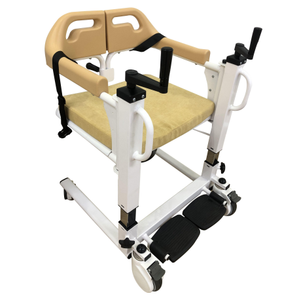
Hot Sale Factory Manufacturer Electric Bathroom Commode Transfer Wheelchair From Dragon Medical
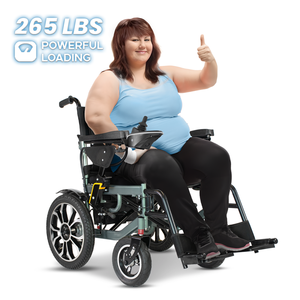
120kg Bariatric Electric Wheelchair Caremoving CMD-05 Folding Class II 58cm Wide 1 Year Warranty
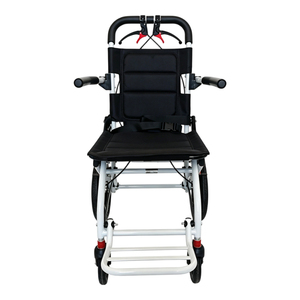
Heavy Duty Manual Wheelchair Foldable Bariatric Mobility Chair Wide Seat High Capacity
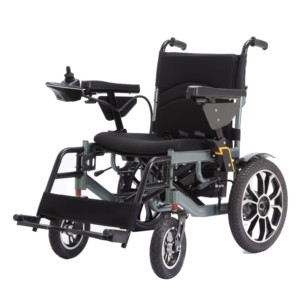
300kg Bariatric Electric Wheelchair CareMoving CMD05 250W Motor 58cm Wide Drive
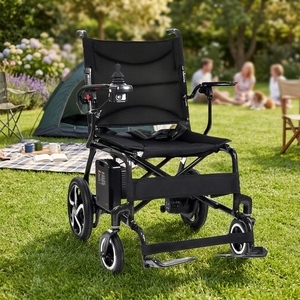
Electric Wheelchair Cheap Price Bariatric Wheel Chair Detachable Foldable Walk Power
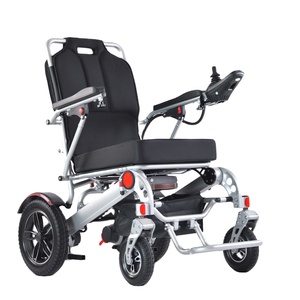
Big Size Customized Bariatric Heavy Duty Wheelchair Electric Folding Lightweight Power Travel
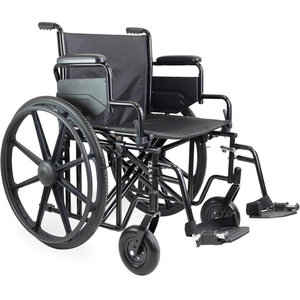
Heavy Duty Wheelchair (225kg) Wide Bariatric Folding Double Crossbar Steel Frame 3-Year Warranty
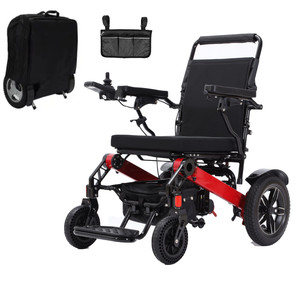
China Bariatric Power Wheelchair Scooters Motorized Wheel Chairs Compact Folding Electric
Industry Ecosystem: Why Sourcing from China's Best Lightweight Wheelchair Factories Delivers Unmatched ROI
Information Gain Insight: The global medical mobility sector is undergoing a rapid paradigm shift. Procurement directors no longer choose between high durability and low gross weight. Advanced metallurgical engineering and automated production hubs in China have unified these demands.
Over the past decade, China’s medical device manufacturing sector has evolved from high-volume standardized fabrication into a high-precision, tech-driven OEM/ODM powerhouse. Industrial clusters in regions like Jiangsu (Danyang), Zhejiang (Yongkang), Guangdong (Foshan), and Shandong have formed deeply integrated supply chains. This geographical concentration of raw material suppliers, precision robotic welding facilities, brushless motor manufacturers, and lithium battery pack assembly plants provides global B2B buyers with unprecedented economies of scale and technical agility.
Advanced Metallurgical Alloys
Leading Chinese factories have moved beyond traditional heavy carbon steel to 6061/7075 Aircraft-Grade Aluminum, Magnesium Alloys, and T700 Carbon Fiber composites. This reduces overall frame weight by up to 45% while retaining structural yield strength exceeding 310 MPa.
Brushless Hub & Drive Kinetics
Modern electric lightweight wheelchairs integrate electromagnetic braking with high-efficiency 250W–350W brushless DC motors. These drive systems offer 90%+ energy conversion rates, minimizing battery drain and reducing thermal wear during uphill climbs.
Global Regulatory Compliance
Tier-1 Chinese factories maintain strict compliance with global healthcare standards, including US FDA 510(k) clearances, EU CE MDR 2017/745 accreditation, ISO 13485 quality systems, and EN 12184 dynamic stability testing protocols.
Selecting the appropriate structural material dictates target market placement, warranty claims, shipping freight costs, and user satisfaction. Below is an engineering evaluation compiled by our technical audit team:
| Material Category | Avg. Frame Weight | Tensile Yield Strength | Corrosion Resistance | B2B Cost Index | Ideal Target Market Segment |
|---|---|---|---|---|---|
| T700 Carbon Fiber Composite | 12.5 kg – 15.5 kg | 4900 MPa | Exceptional (Immune) | Premium $$$$ | Ultra-portable travel, active independent users, premium mobility retail |
| Magnesium-Aluminum Alloy | 16.0 kg – 19.5 kg | 240 – 280 MPa | High (Anodized) | Moderate-High $$$ | Airline-friendly folding electric chairs, commercial rental fleets |
| 6061-T6 Aircraft Aluminum | 18.0 kg – 22.0 kg | 276 MPa | High (Powder Coated) | Standard Efficiency $$ | Hospital discharge, institutional care, mid-tier healthcare distributors |
| Reinforced Steel Crossbar (Bariatric) | 26.0 kg – 34.0 kg | 350 – 450 MPa | Standard (E-Coated) | Economy / Heavy Load $ | Heavy-duty bariatric care (225kg – 300kg capacity), clinical transport |
Key Technological & Design Development Trends (2025–2030)
As end-user demographics shift toward active aging and mobile lifestyles, top Chinese manufacturers are embedding cutting-edge tech into lightweight mobility platforms.
1. Smart IoT & Telematics Fleet Management
Modern Bariatric and Lightweight Power Wheelchairs are increasingly equipped with IoT modules, Bluetooth app integration, and GPS tracking. For institutional distributors and healthcare equipment rental providers, real-time battery health diagnostics, user tilt metrics, and remote fault reporting drastically reduce after-sales servicing overhead.
2. Biomimetic Ergonomics & Pressure Relief
Long-term wheelchair use presents severe pressure ulcer risks. Advanced factories are integrating dynamic postural tilt-in-space mechanisms, high-density viscoelastic memory foam, and breathable honeycomb anti-microbial seat mesh to redistribute ischemic pressure points across ischial tuberosities.
3. Ultra-Fast Folding Kinetics & Modular Batteries
Single-second automatic folding mechanisms driven by auxiliary actuators are transforming travel power wheelchairs. Coupled with UN38.3 certified quick-swap lithium-ion battery modules (under 300Wh for IATA airline compliance), users can effortlessly transport their devices across automotive trunks, trains, and aircraft cargo compartments.
Future Sourcing & Global Procurement Strategies for Importers
To maintain competitive margins in an evolving global supply chain, medical equipment distributors must move beyond transactional purchasing toward strategic OEM co-development.
Shift to Modular White-Label Customization
Leading buyers are requesting modular frame platforms where controllers (e.g., PG Drives VR2 vs. proprietary Chinese 360° joysticks), motors, seat widths (46cm to 58cm), and tire compounds (pneumatic vs. honeycomb solid non-marking) can be customized per SKU without incurring massive re-tooling costs.
Total Cost of Ownership (TCO) & SKD/CKD Shipping
With ocean freight volatility, major importers are optimizing shipping volumes by sourcing semi-knocked-down (SKD) or completely knocked-down (CKD) wheelchair kits. Chinese factories providing precision assembly jig guides allow distributors to double container packing density from 180 fully assembled units to 420 CKD units per 40HQ container.
Enterprise OEM/ODM Strengths & Factory Quality Control
Why premier global distributors partner with top-tier Chinese manufacturing operations like Dragon Medical and Nuk Healthcare supply networks.
Automated Robotic Precision Welding
Eliminating human error in load-bearing joints, automated ABB/KUKA robotic TIG welding cells ensure uniform bead penetration across aluminum and steel crossbars, guaranteeing zero structural failure under maximum rated loads (up to 300kg).
Multi-Stage Quality Control Protocol
Every batch undergoes 100% rigorous testing: Double-drum fatigue endurance testing (200,000 cycles), 10-degree incline dynamic braking verification, salt-spray corrosion resistance (248 hours), and drop impact stress testing before factory release.
Complete OEM White-Label Support
From customized frame colors, silk-screened brand logos, tailored user manuals, and regional charger plug configs (EU, US, UK, AU) to bespoke outer carton packaging, factories deliver market-ready products designed for seamless retail deployment.
Frequently Asked Questions (FAQ) for Global B2B Wheelchair Buyers
Technical, regulatory, and commercial answers designed to streamline your factory sourcing process.
What is the standard Minimum Order Quantity (MOQ) for custom OEM wheelchair orders?
Standard factory MOQ for customized logo branding and specific frame powder coating starts at 20 to 50 units depending on the model. For fully standard stock configurations, trial sample orders of 1 to 5 units are supported to facilitate technical evaluation and market testing.
How do Chinese lightweight wheelchair factories ensure compliance with FDA and CE regulations?
Tier-1 factories maintain ISO 13485 certified quality management systems. Product lines carry CE marking under EU MDR 2017/745 and FDA 510(k) clearances. Testing documentation, including EN 12184 safety reports, IEC 60601-1-2 EMC electrical safety compliance, and UN38.3 lithium battery transportation certificates, are provided for customs clearance and regulatory filings.
What is the typical production lead time for bulk container orders?
Standard mass production lead time is 25 to 35 calendar days following deposit confirmation and sample sign-off. Expedited manufacturing schedules (15 to 20 days) can be arranged for recurring contract orders with forecast integration.
Are the lithium battery packs used in electric lightweight wheelchairs safe for air travel?
Yes. Most lightweight travel power wheelchairs utilize removable lithium-ion batteries rated under 300Wh (or twin 160Wh packs) compliant with IATA Dangerous Goods Regulations, allowing users to carry batteries onboard commercial flights as cabin luggage.
What warranty policies and spare parts support are provided to international distributors?
Factories typically offer a 1 to 3-year warranty on structural frame crossbars and a 12-month warranty on core electronic components (controllers, motors, chargers). Free 2% quick-wear spare parts (joystick knobs, solid front casters, anti-tip wheels) are included with full container shipments.
Can factories customize wheelchairs for heavy-duty bariatric requirements?
Absolutely. Bariatric power and manual models feature dual crossbar reinforcement, widened seat widths (58cm+), upgraded 350W heavy-duty motors, and heavy-duty actuator lift systems capable of supporting payloads from 180kg up to 300kg safely.
Ready to Upgrade Your Mobility Supply Chain?
Connect directly with our senior technical procurement engineering team for wholesale catalog access, OEM price brackets, and custom factory quotation sheets.