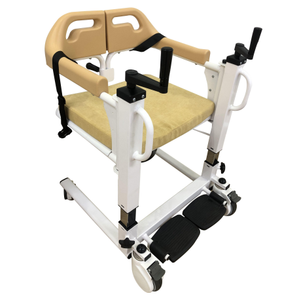
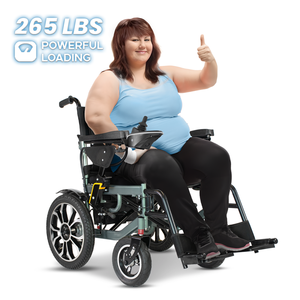
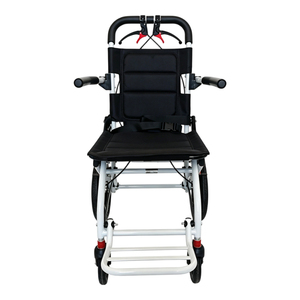
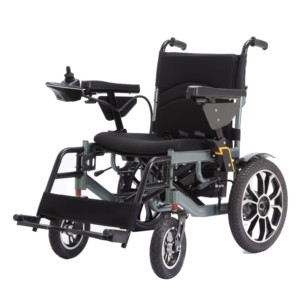
Featured Enterprise Mobility & Transfer Series
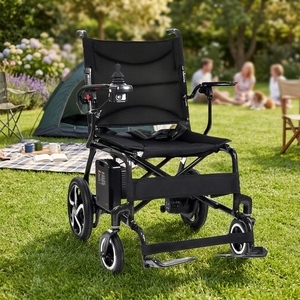
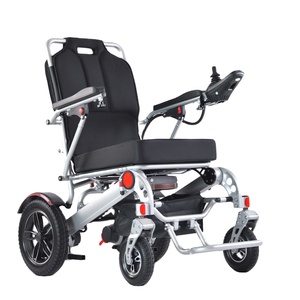
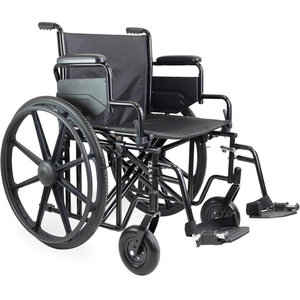
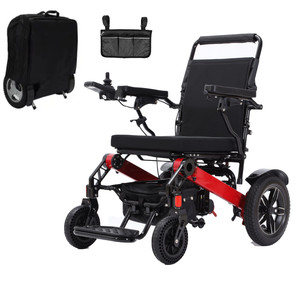
Engineered for medical institutions, B2B distributors, and global home-care providers. Certified to ISO 13485, CE MDR, and FDA standards.
Executive B2B Whitepaper: The Evolution of Walking Cane Manufacturing
An authoritative breakdown of global demand shifts, advanced metallurgical engineering, and supply-chain optimization for B2B procurement managers.
Demographic Shifts & Macro Demand Drivers
The global market for mobility assistance devices is undergoing a structural expansion, driven primarily by an unprecedented demographic pivot. According to World Health Organization projections, the population aged 60 and older will double to 2.1 billion by 2050. This surge directly expands the addressable market for walking canes, quad canes, and walking sticks across North America, Europe, and the Asia-Pacific region.
Simultaneously, post-surgical orthopedic rehabilitation protocol emphasis has shortened hospital stays, increasing reliance on ambulatory aids for home recovery. Modern B2B procurement officers are moving away from commodity-grade mobility aids, seeking specialized walking canes designed for biomechanical efficiency, localized weight distribution, and high durability.
Advanced Material Metallurgy: 6061-T6 Aluminum & 3K Carbon Fiber
China’s top walking cane manufacturing ecosystem has transitioned from basic steel tubing toward aerospace-grade alloys and composite materials. Leading factories utilize extruded 6061-T6 aluminum tubing, offering a superior strength-to-weight ratio, exceptional corrosion resistance, and structural yield strength exceeding 240 MPa.
For high-end medical lines and premium consumer retail, 3K carbon fiber weaves have established a new benchmark. Carbon fiber canes reduce total weight by up to 40% compared to traditional aluminum while absorbing high-frequency micro-vibrations during heel-strike, preventing long-term stress on wrist and elbow joints.
B2B Material & Performance Comparison Matrix
Technical evaluation matrix to assist medical buyers, pharmaceutical chains, and OEM importers in structural material selection.
| Material Category | Tensile Strength (MPa) | Average Unit Weight | Static Load Capacity | Corrosion Rating | Target Distribution Segment |
|---|---|---|---|---|---|
| 6061-T6 Anodized Aluminum | 290-310 MPa | 280g - 340g | up to 136 kg (300 lbs) | High (Anodized) | Institutional Healthcare, Insurance & Pharmacy Chains |
| 3K Carbon Fiber Composite | 600-800 MPa | 180g - 230g | up to 150 kg (330 lbs) | Exceptional (Inert) | Premium Retail, Orthopedic Clinics & Travel Mobility |
| Heavy-Duty Reinforced Steel | 400-500 MPa | 550g - 750g | up to 225 kg (500 lbs) | Medium (Powder Coated) | Bariatric Patient Rehabilitation & Clinical Care |
| Hardwood / Natural Cane | Var. (Organic) | 350g - 450g | up to 110 kg (240 lbs) | Requires Sealed Finish | Boutique Retail, Traditional Mobility Outlets |
Future Procurement Trends (2025–2030)
Strategic foresight into smart integration, eco-friendly manufacturing, and modular supply chains shaping global mobility aid tenders.
Smart IoT & Ergonomic Integration
The convergence of consumer electronics and mobility devices is accelerating. Next-generation walking canes manufactured in China increasingly incorporate embedded micro-sensors, including tri-axial accelerometers for real-time fall detection, automatic SOS acoustic alarms, and integrated high-lumen LED illumination with wide-angle beam diffusion. Smart handles with built-in pulse rate sensors and thermal heating elements represent a high-margin growth segment for global medical distributors.
Biomechanical Handle Engineering
User intent mining reveals a shift away from standard J-shaped handles toward anatomically contoured grip geometries. Modern procurement standards favor the Fritz Handle, Derby Handle, and Offset Ergonomic Palm Rests crafted from dual-density Thermoplastic Rubber (TPR) or anti-microbial foam. These designs distribute palmar pressure evenly across the ulnar nerve pathway, drastically reducing fatigue for users suffering from severe osteoarthritis or rheumatoid arthritis.
Modular Packaging & D2C Fulfillment
Global e-commerce channels (Amazon FBA, specialized orthopedic D2C portals) demand ultra-compact packaging footprints. OEM factories in China have optimized 4-section push-button folding mechanisms utilizing internal heavy-duty elastic shock cords and precision CNC-machined joint sleeves. These folding walking canes reduce packaged volumetric weight by up to 65%, optimizing international freight costs while enabling instant user assembly.
Enterprise Manufacturing Capabilities & Quality Assurance
Why leading healthcare brands partner with China’s premier mobility equipment manufacturing hubs.
Automated Quality Assurance & Stress Testing Protocol
Premier Chinese walking cane factories operate rigorous internal quality testing facilities compliant with ISO 11199-1:2021 standards. Every batch undergoes rigorous physical validation, including:
- Static Axial Load Testing: Continuous hydraulic pressure applied up to 2.5x the rated load capacity to verify joint integrity and shaft strain thresholds.
- Dynamic Fatigue Testing: Cyclic stress testing exceeding 100,000 impact repetitions at 1.5 Hz to simulate years of intensive user gait.
- Environmental Salt-Spray Testing: ASTM B117 salt spray exposure for 96+ hours to ensure zero oxidation on anodized surfaces, metallic push-buttons, and rubber ferrule inserts.
- Ferrule Traction & Abrasion Analysis: Non-marking TPR synthetic rubber tips are tested for high surface coefficients of friction across wet tile, polished hardwood, and asphalt.
End-to-End OEM / ODM Customization Capabilities
Partnering with an established OEM manufacturer grants B2B buyers complete control over product specification, branding, and regulatory compliance:
- Precision Tube Sizing: Outer tube diameters ranging from 16mm to 22mm with wall thickness options from 1.0mm to 1.5mm tailored for standard or bariatric weight classes.
- Custom Surface Finishing: Advanced automated powder coating, wood-grain hydro-dipping, custom anodization colors, and high-definition laser logo etching.
- Proprietary Base Engineering: Custom tooling for single-point tips, tripod self-standing bases, and quad-pod pivoting bases with shock-absorbing elastomer springs.
- Regulatory Documentation Support: Complete technical files, FDA 510(k) submissions, CE Declaration of Conformity, and ISO 13485 audit trail documentation.
B2B Procurement FAQ: Walking Cane Sourcing
Answers to critical technical, logistical, and commercial inquiries from global medical supply chain managers.
Partner with China's Premier Mobility Equipment Factory
Elevate your product line with certified, high-margin walking canes, power wheelchairs, and patient transfer solutions engineered to international standards.
Get Catalog