Direct Factory Catalog: High-Demand OEM Folding Wheelchairs
Featured institutional-grade power, manual, bariatric, and transfer wheelchairs engineered for global OEM/ODM supply chains.
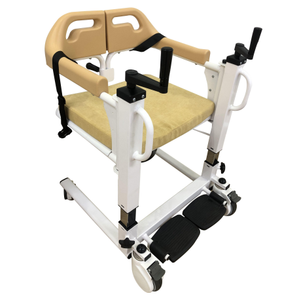
- Electric lifting mechanism for effortless transfers
- Waterproof IPX4 rated bathroom alloy frame
- Dual control interface for patient & caregiver
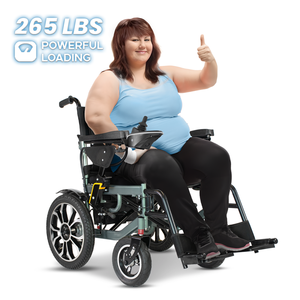
- Class II medical-grade mobility standard
- 58cm widened ergonomic seat width
- Compact quick-fold crossbar framework
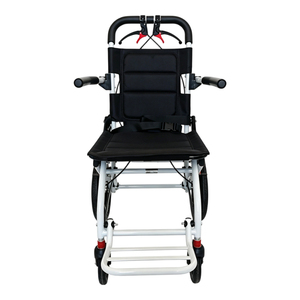
- Reinforced carbon-steel dual cross-brace
- Extra-wide padded heavy-duty seating
- Maintenance-free solid puncture-proof tires
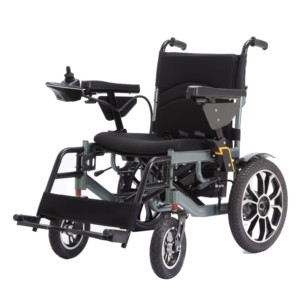
- High-torque 250W twin brushless motors
- Reinforced frame supporting up to 300kg structural load
- Intelligent electromagnetic automatic braking
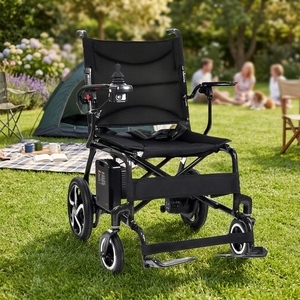
- Detachable armrests & footrests for transfer ease
- High-efficiency lithium battery pack
- One-second rapid fold for vehicle trunk storage
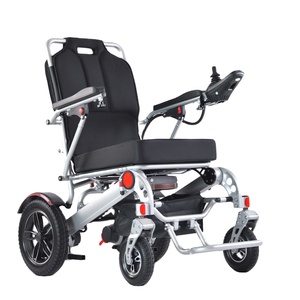
- Airline-approved safe travel battery system
- Customizable chassis frame colors & branding
- All-terrain rear drive wheels with shock absorbers
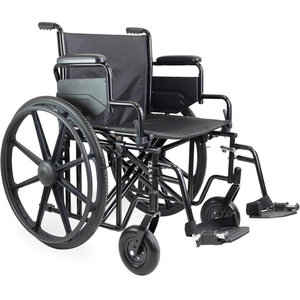
- Heavy-duty 225kg max payload capacity
- 3-Year structural factory frame warranty
- 360-degree rotating detachable leg rests
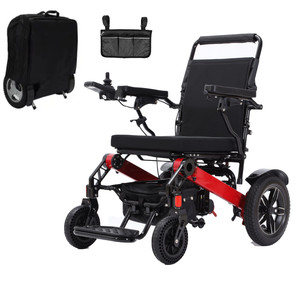
- Integrated scooter-style ergonomic tiller & joystick
- Compact folding radius for tight indoor spaces
- Long-range dual lithium-ion energy cells
Global OEM/ODM Manufacturing Infrastructure & Factory Excellence
As a global leader in medical rehabilitation equipment manufacturing, Nuk Healthcare operates at the intersection of precision engineering, strict regulatory compliance, and scalable OEM production. With over 15 years of industry experience (Established 2009), our manufacturing alliance serves healthcare systems, medical device distributors, and institutional procurement teams across 65+ countries.
Certified Medical Quality
Full compliance with ISO 13485, CE MDR (EU 2017/745), FDA 510(k), and Class II medical device protocols. Factory registrations including GST: 27AAQPK2858J1Z4 and global export license IEC: 0308057023 ensure frictionless international customs clearance.
End-to-End OEM/ODM Flexibility
From custom frame metallurgy (Aerospace 7075-T6 Aluminum, Magnesium alloy, Carbon Fiber) to custom BMS programming, joystick tuning, private-label silk-screening, and packaging engineering tailored for your market brand identity.
Rigorous Load & Durability Testing
Every folding chassis undergoes 200,000-cycle drum fatigue testing, double-crossbar impact deformation analysis, dynamic slope stability verification, and environmental thermal chamber evaluation before batch release.
Technical Whitepaper: Engineering Innovations in Custom OEM Folding Wheelchairs
The global personal mobility device market is undergoing a seismic shift driven by demographic aging, chronic mobility challenges, and demand for multi-functional personal transport. For medical device distributors and OEM procurement officers, selecting the right manufacturing partner requires a granular understanding of structural metallurgy, powertrain efficiency, and ergonomic safety frameworks.
Key Takeaway for B2B Procurement: Modern OEM folding wheelchairs must balance structural rigidity for heavy-duty payload capacities (up to 300kg) with extreme lightweighting for air-travel transportability and compact vehicle trunk loading.
1. Advanced Structural Metallurgy & Frame Geometry
The structural integrity of a folding wheelchair hinges on its chassis design and material selection. OEM buyers must evaluate three primary alloy ecosystems based on target user demographics and price positioning:
| Material Classification | Tensile Strength (MPa) | Weight Profile | Bariatric Suitability | Primary OEM Target Application |
|---|---|---|---|---|
| Aircraft-Grade Aluminum (6061-T6 / 7075-T6) | 310 – 570 MPa | Lightweight (11 – 15 kg) | Up to 150 kg payload | Active travel, portable electric folding wheelchairs. |
| Reinforced Carbon Steel (Double Crossbar) | 400 – 620 MPa | Standard Heavy (18 – 28 kg) | Heavy Duty (225kg – 300kg) | Bariatric hospital patient transfer, institutional commodes. |
| Magnesium-Aluminum Composite Alloy | 280 – 340 MPa | Ultra-Light (<10 kg) | Up to 120 kg payload | Premium flight-approved folding travel wheelchairs. |
| 3K Carbon Fiber Weave | 600 – 800+ MPa | Featherweight (8.5 – 10.5 kg) | Up to 135 kg payload | High-end premium ergonomic power chairs. |
A critical engineering bottleneck in folding wheelchairs has historically been frame deflection under heavy load. Advanced OEM factories solve this through Double-Crossbar Geometry with robotic TIG welding. The double cross-brace distributes vertical load forces evenly across four pivot axes, preventing frame torque and guaranteeing smooth folding actuation over tens of thousands of cycles.
2. Electric Powertrain Engineering & Battery Management Systems (BMS)
The transition from manual propulsion to electric folding mobility requires robust powertrain customization. Modern OEM factory specifications prioritize two core drive architectures:
- Brushless DC (BLDC) Hub Motors: Operating at 85% to 92% thermal efficiency, BLDC motors reduce power consumption, eliminate gear friction noise, and provide high dynamic torque at low RPMs. Dual 250W motors deliver ample power for climbing 12-degree gradients.
- Electromagnetic Brake Integration: Safety compliance mandates instant magnetic braking upon joystick release. Electromagnetic systems automatically lock motor armatures even on steep inclines, preventing roll-back during power loss.
- UN38.3 Compliant Lithium Batteries: OEM travel wheelchairs require quick-release Lithium Iron Phosphate (LiFePO4) or Ternary NMC battery modules rated below 300Wh (typically 24V 12Ah or dual 6Ah configurations) to comply with IATA international flight regulations for carry-on luggage.
Over-charge protection, over-discharge safety cut-off, short-circuit insulation, thermal runaway sensing, and cell balancing for extended cycle life (800+ charge cycles).
Programmable 360° VR2 or PG Drives joysticks allowing adjustment of acceleration curves, turning sensitivity, top speed limits (3km/h to 8km/h), and reverse warning alerts.
Puncture-proof honeycomb solid rubber front casters combined with pneumatic or high-density PU rear drive tires for vibration dampening over cobble and gravel.
Future Procurement Trends in the Global Folding Wheelchair Industry (2025–2030)
As institutional healthcare procurement shifts toward high-efficiency, multi-functional mobility assets, strategic buyers are aligning with OEM factories capable of delivering future-proof product features. Our analytics highlight four key procurement megatrends shaping factory orders over the next decade:
1. Surge in Bariatric Heavy-Duty Sourcing
Rising global rates of obesity and associated mobility impairments have spiked demand for folding wheelchairs capable of supporting 200kg to 300kg payloads. Historical bariatric chairs were rigid and non-portable. Modern OEM innovation has engineered heavy-duty folding crossbars, widened seats (58cm to 65cm), and reinforced structural joints that fold compactly without compromising weight ratings.
2. Integration of Multi-Functional Hygiene & Transfer Systems
Healthcare facilities are actively replacing single-purpose equipment with hybrid solutions. Electric bathroom commode transfer wheelchairs—featuring waterproof alloy construction, hydraulic height adjustments, and split-seat transfer designs—reduce staff lifting injuries and streamline patient care in nursing homes and home care settings alike.
3. Demand for CKD & SKD Shipping Packaging
To combat volatile international maritime freight costs, major distributors are requesting Completely Knocked Down (CKD) or Semi-Knocked Down (SKD) packaging from OEM factories. Modular assembly designs allow 300% higher container loading density, significantly reducing freight-per-unit cost for high-volume orders.
4. White-Label Smart Telematics & IoT Tracking
Fleet operators, equipment rental companies, and large hospital networks are requiring embedded IoT tracking units inside electric wheelchair battery compartments. Modern OEM factories are installing GPS, remote battery diagnostic modules, and cellular telemetry for real-time asset management.
Future Technology Trends: What Next-Gen OEM Wheelchair Factories Are Building
The convergence of robotics, artificial intelligence, and advanced material science is redefining personal mobility technology. Forward-looking OEM factories are currently prototyping and commercializing several disruptive technological features:
AI Obstacle Avoidance & LiDAR
Integrating millimeter-wave radar and optical LiDAR sensors into wheelchair chassis to detect drop-offs, stairs, and dynamic obstacles, automatically applying emergency brakes to prevent falls.
One-Touch Automatic Power Folding
Replacing manual folding latches with miniature linear actuators that fold or unfold the wheelchair frame in under 5 seconds at the touch of a wireless key fob or smartphone app button.
Biometric Health Monitoring Seats
Integrating pressure mapping sensors into seat cushions (such as Roho air cushion technologies) paired with pulse and body temperature sensors to dynamically adjust seat tilt and alert caregivers of pressure sore risks.
B2B OEM Sourcing FAQ: Guidance for Importers & Buyers
Frequently asked technical, manufacturing, and commercial questions regarding custom folding wheelchair factory orders.
Ready to Partner with a Leading OEM/ODM Wheelchair Factory?
Whether you require custom bariatric manual chairs, ultra-lightweight lithium power folding wheelchairs, or specialized hospital transfer commodes, our engineering team provides direct wholesale quotes, CAD customization, and factory-direct pricing within 24 hours.