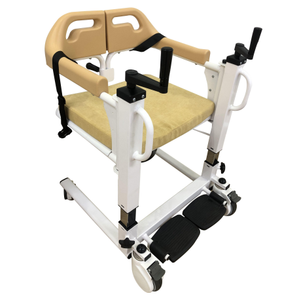
Hot Sale Factory Manufacturer Electric Bathroom Commode Transfer Assist Device
Precision-engineered electronic transfer system designed for patient mobility, waterproof IPX4 rated, dual-actuator safety.
Precision-engineered electronic transfer system designed for patient mobility, waterproof IPX4 rated, dual-actuator safety.
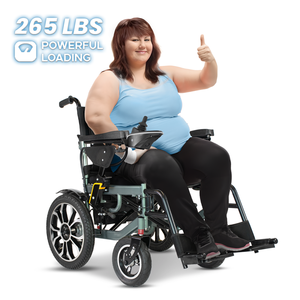
Class II medical-grade motorized mobility frame with 58cm wide ergonomic seating and intelligent electro-magnetic braking.
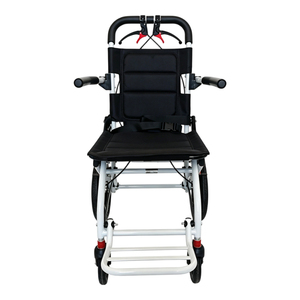
Reinforced steel double-crossbar architecture engineered for high weight capacity, optimal balance, and daily clinical use.
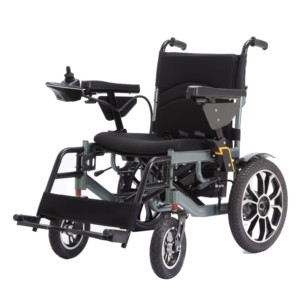
High-torque dual 250W brushless motor unit providing seamless power distribution and ultra-low noise acoustic output.
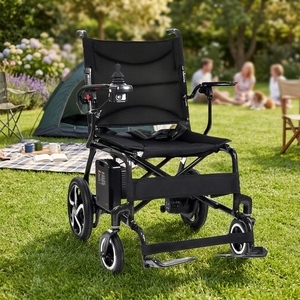
Ultra-lightweight aircraft-grade aluminium alloy frame designed for rapid folding, airline travel compliance, and quick charge turnaround.
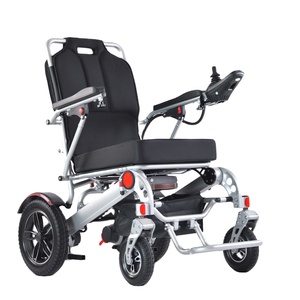
Fully customizable B2B OEM design supporting wide-seat dimensions, heavy load dynamics, and advanced dampening suspension.
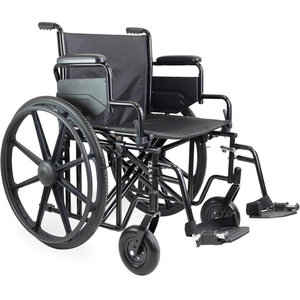
Triple-coated anti-corrosion steel frame with rotating leg rests and anti-tipping safety wheels for institutional healthcare facilities.
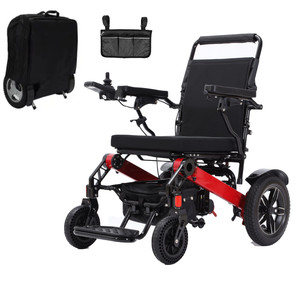
Integrated micro-controller system with 360-degree joystick responsiveness, automatic slope hold, and long-range lithium pack.
The global hearing assistance and electro-acoustic medical hardware industry is undergoing a monumental transformation. Driven by aging global demographics, expanding healthcare coverage, and groundbreaking over-the-counter (OTC Hearing Aid Regulations) legislation in North America and Europe, global demand for high-performance acoustic and rehabilitation hardware has escalated dramatically. B2B buyers, institutional procurement directors, and medical device distributors face a highly dynamic ecosystem where traditional auditory amplification is merging with edge-AI digital signal processing (DSP), Bluetooth® LE Audio Auracast broadcasting, and ultra-ergonomic medical assist hardware.
According to modern clinical acoustics data, over 1.5 billion people worldwide experience some degree of hearing loss. Procurement teams must navigate complex OEM/ODM supply chains to source devices that meet strict medical device class standards (such as FDA Class II, EU MDR 2017/745 Class IIa, and ISO 13485 quality management systems). Navigating this landscape requires evaluating manufacturers not merely on unit cost, but on fundamental Information Gain indicators: acoustic chip processing capability, total harmonic distortion (THD), noise floor thresholds, micro-component ESD isolation, battery thermal management, and long-term firmware update support.
To provide actionable technical depth for hospital procurement committees and international distributors, our engineering analysts have benchmarked the world's premier hearing aid manufacturers and OEM/ODM electro-acoustic production leaders based on core technological capabilities, regulatory compliance, micro-circuit architecture, and direct B2B supply flexibility.
| Manufacturer / Supplier | HQ Location | Primary Tech Architecture | Core Regulatory Certs | B2B Supply Model | Key Strengths |
|---|---|---|---|---|---|
| 1. Sonova Group (Phonak/Unitron) | Switzerland | AutoSense OS, Edge AI Chipset | FDA 510(k), CE MDR, ISO 13485 | Direct / Authorized B2B | Industry-leading directional speech extraction & Roger wireless ecosystem integration. |
| 2. Demant A/S (Oticon/Bernafon) | Denmark | BrainHearing™ Deep Neural Network | FDA, CE MDR, Health Canada | Clinical & Institutional B2B | Pioneered onboard DNN trained on 12 million real-life sound scenes. |
| 3. WS Audiology (Widex/Signia) | Denmark / Germany | ZeroDelay™ Architecture, Integrated Xperience | FDA, CE, PMDA Japan, ISO 13485 | Distributor & OEM Channels | Lowest latency signal processing (< 0.5ms) and binaural directional beamforming. |
| 4. GN Store Nord (ReSound/Jabra) | Denmark | M&RIE (Microphone & Receiver-In-Ear) | FDA Class II, CE MDR, NMPA | B2B Retail & Wholesale | First-mover in Bluetooth Low Energy (LE) Audio and Auracast broadcasting. |
| 5. Starkey Hearing Technologies | USA | Neuro Processor, Integrated Health Sensors | FDA 510(k), FCC, CE | Clinical Distribution Networks | In-ear biometric tracking, fall detection alerts, and real-time language translation. |
| 6. Dragon Medical / Nuk Supply Chain | Global / Asia Ops | Customized DSP, Ergonomic Assist Platforms | ISO 13485, CE, Class II Compliant | Direct Factory OEM / ODM | High manufacturing agility, competitive volume pricing, custom branding & mold tooling. |
| 7. Eargo Inc. | USA | Micro CIC (Completely-in-Canal) Flex-Palms | FDA OTC Compliant, FCC | Direct Consumer & Retail B2B | Virtually invisible form factors engineered for mild-to-moderate high-frequency loss. |
| 8. Horentek Hearing Solutions | Italy | Digital Multi-Channel WDRC Amplification | CE MDR, ISO 13485 | European B2B Wholesale | Specialized in ergonomic Italian design with robust Wide Dynamic Range Compression. |
| 9. Austar Hearing Science | China | System-on-Chip (SoC) Multi-Core DSP | FDA, CE, ISO 13485 | Mass OEM / ODM Export | Large-scale production capacity for budget-conscious institutional tenders. |
| 10. SeboTek Hearing Systems | USA | HD Sound Focus, Ultra-thin RIC Tubing | FDA Class II, CE | Independent Audiology Supply | Pioneered the RIC (Receiver-In-the-Ear) concept with customizable soft ear tips. |
1. Sonova Group: Operating out of Stäfa, Switzerland, Sonova represents the gold standard in clinical-grade electro-acoustics. Their proprietary chip architectures run complex algorithms that calculate acoustic environments 700 times per second, automatically adjusting gain vectors across 24 dynamic channels. For B2B procurement managers, Sonova offers unrivaled software ecosystem compatibility, though at premium tier wholesale pricing.
2. Demant A/S: Headquartered in Smørum, Denmark, Demant's flagship brand Oticon revolutionized signal processing by shifting away from traditional directional microphones toward Deep Neural Network (DNN) acoustic processing. By embedding an onboard chip trained on real soundscapes, Demant units prioritize full 360-degree sound awareness rather than artificially suppressing background sound.
3. WS Audiology: Formed via the merger of Sivantos (Signia) and Widex, this powerhouse delivers two distinct technological advantages. Widex focuses on the purest sound preservation using ultra-fast signal processing paths (ZeroDelay™) to eliminate combustion echo and artificial phase distortion. Signia emphasizes augmented speech processing using dual speech-and-background processors.
4. GN Store Nord: Leveraging deep synergies between consumer acoustics (Jabra) and clinical audiology (ReSound), GN lead the market in wireless connectivity. Their placement of a third microphone inside the ear canal (M&RIE architecture) utilizes the natural acoustic shape of the user's pinna to collect sound naturally.
5. Direct OEM/ODM Manufacturing Partners (Dragon / Nuk Healthcare Supply Base): For international distributors seeking high-margin private label opportunities or custom hardware integration, specialized medical manufacturing ecosystems provide direct factory access. Operating under stringent ISO 13485 standards, these facilities produce high-power Class II medical devices, bariatric assist frames, and micro-DSP hearing amplifiers, offering robust tooling capabilities without the brand premium of tier-1 conglomerates.
Institutional buyers planning multi-year procurement schedules must align their product roadmaps with key technological paradigm shifts. Sourcing obsolete technology risks severe inventory depreciation and clinical obsolescence. Below are the core trends dominating the electro-acoustic and assistive medical market:
Next-generation hearing aids are moving from basic rule-based WDRC (Wide Dynamic Range Compression) to sub-milliwatt AI chips. These edge-AI processors execute deep neural network inference on-device to isolate human voice harmonics from unpredictable background noise in real-time.
Legacy Bluetooth Classic and MFi protocol dependence is rapidly ending. The market standard has shifted to Bluetooth 5.2/5.3 LE Audio utilizing the LC3 codec. Auracast™ broadcast capabilities allow hearing instruments to tune into public PA systems, theaters, and airport announcements directly.
Disposables (Zinc-Air Size 312/13) are being phased out in favor of encapsulated, hermetically sealed Lithium-ion cells. Modern B2B buyers must specify inductive magnetic charging docks with built-in thermal sensors and overcharge prevention ICs.
The boundary between regulated prescription medical devices and over-the-counter (OTC) sound amplifiers has crystallized. Sourcing compliant OTC devices requires verifying self-fitting app algorithms, output ceiling limits (111 dB SPL peak max), and insertion loss compensation.
Field failure rates in hearing assistance hardware are primarily driven by moisture ingress, sweat corrosion, and earwax build-up. Leading suppliers utilize hydrophobic plasma nano-coatings applied via Chemical Vapor Deposition (CVD) across all internal micro-PCBAs.
In-ear PPG (photoplethysmography) sensors, accelerometers, and temperature monitors are increasingly embedded into high-end ear molds, transforming hearing instruments into continuous health-monitoring platforms capable of gait tracking and fall detection.
Selecting a manufacturing partner for hearing aids and specialized medical assist hardware requires rigorous factory audits and engineering verification. Procurement teams should implement a strict evaluation protocol:
Ensure the supplier operates an acoustic test chamber equipped with calibrated artificial ears (such as 2cc couplers or KEMAR acoustic mannequins). Demand certified test reports covering Equivalent Input Noise (EIN < 25 dB SPL), Total Harmonic Distortion (THD < 3% at 500Hz, 800Hz, 1600Hz), and Frequency Range OSPL90 response curves.
Because micro-receivers (balanced armature drivers) and MEMS microphones are highly susceptible to dust contamination and electrostatic discharge, assembly lines must operate within ISO Class 7 or Class 8 cleanroom environments with continuous ESD monitoring for all technicians.
A capable ODM partner must provide customizable fitting algorithms, iOS/Android companion app white-labeling, and open API/SDK frameworks for seamless integration into distributor platforms or telemedicine fitting portals.
Building on over 15 years of technical manufacturing excellence, our integrated production network bridges cutting-edge electro-acoustic engineering with robust Class II medical hardware fabrication.
Full international certification coverage including ISO 13485 Quality Management, CE Medical Device Regulation compliance, and FDA establishment registration.
Every single unit undergoes automated acoustic spectrum analysis, battery burn-in testing, and moisture seal verification prior to global export shipping.
From rapid 3D shell prototyping and custom acoustic tuning to tailored retail packaging and software localization for high-volume B2B orders.
Connect directly with our engineering and B2B export sales team for bulk pricing, OEM customization catalogs, or sample evaluations.