Executive Summary & Global Market Intelligence (2025–2030)
The global personal mobility device sector is undergoing a profound structural evolution. Driven by shifting demographic realities—specifically an aging global population projected to surpass 1.4 billion individuals over the age of 60 by 2030—the demand for manual wheelchairs, bariatric mobility systems, and hygiene transfer chairs has accelerated dramatically. Procurement directors, hospital purchasing committees, and medical device importers face a rapidly shifting landscape where basic mobility equipment no longer suffices. Modern healthcare standards demand specialized ergonomic geometry, high-tensile metallurgical structural integrity, and multi-functional clinical utility.
This whitepaper provides an exhaustive technical benchmark for evaluating the Top 10 Manual Wheelchair Suppliers & Exporters globally. Designed to inform institutional purchasing decisions, this study breaks down structural frame metallurgy, ISO 7176/EN 12183 testing standards, Total Cost of Ownership (TCO) dynamics, and emerging technological paradigms in the B2B rehabilitation equipment market.
Key Procurement Takeaway
Institutional procurement must transition from evaluating upfront unit costs to calculating long-term operational durability. Cheap manual wheelchairs manufactured with non-heat-treated mild steel frequently exhibit frame fatigue, weld joint fracturing, and high swivel resistance within 12 to 18 months of intensive clinical use.
Technical Benchmark Criteria for B2B Wheelchair Procurement
When sourcing manual wheelchairs and bariatric mobility devices at scale, supply chain executives must evaluate manufacturers based on five essential engineering parameters. Failure to audit these core metrics often leads to elevated warranty return rates, regulatory compliance failures, and reputational risk.
1. Metallurgical Frame Integrity
High-grade suppliers utilize cold-drawn T6-6061 aircraft aluminum alloys or double-buttressed chromoly carbon steel. Frame wall thickness should meet a minimum threshold of 1.5mm to ensure torsional stability under maximum weight ratings (120kg to 300kg).
2. ISO 7176 Structural Testing
Compliance with ISO 7176 parts 1, 3, and 8 is non-negotiable. This certification mandates two-drum fatigue testing (minimum 200,000 cycles) and drop-impact testing to verify that frames resist stress fracturing during real-world transit obstacles.
3. Crossbar & Hinge Dynamics
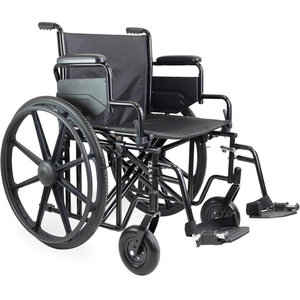
For heavy-duty manual wheelchairs (225kg–300kg load capacity), double-crossbar scissor linkage systems are mandatory. Double crossbars distribute vertical payload stresses evenly across four chassis pivot points, preventing frame sag.
Comparative Analysis: Standard Manual vs. Heavy-Duty Bariatric vs. Transfer Hybrids
Understanding the operational distinctiveness of each product class is vital for hospital tenders and regional distribution planning. The table below highlights key engineering distinctions across core product categories:
| Category / Feature | Standard Manual Wheelchair | Heavy-Duty Bariatric Wheelchair | Bathroom Commode Transfer Chair | Bariatric Power/Manual Hybrid |
|---|---|---|---|---|
| Primary Load Rating | 100 kg – 120 kg | 180 kg – 300 kg | 120 kg – 150 kg | 120 kg – 250 kg |
| Chassis Architecture | Single Crossbar Aluminum/Steel | Double Heavy Gauge Crossbar | Waterproof Split-Steel Frame | Reinforced Motorized Chassis |
| Typical Seat Width | 41 cm – 46 cm | 53 cm – 60 cm (Wide Seat) | 44 cm – 48 cm Ergonomic | 50 cm – 58 cm Multi-Adjustable |
| Target Environment | General Transit & In-Patient | Overweight Rehabilitation & Care | Clinical Hygiene & Transfer | Long-Distance Active Travel |
| Target ISO Certification | ISO 7176-8 / EN 12183 | ISO 7176 Heavy Duty Class | IPX4 Waterproof / ISO 13485 | CE Class II / ISO 7176-14 |
Evaluating the Top 10 Manual Wheelchair Suppliers & Exporters
Global supply chain efficiency relies on partnering with manufacturers and exporters that maintain rigorous quality control systems, transparent regulatory documentation, and robust OEM/ODM production scalability. Below is a comprehensive breakdown of the key structural operational traits that define leading international suppliers in 2025:
1. Nuk Healthcare / Dragon Medical Enterprise Network
Headquartered in Goregaon East, Mumbai, India, and supported by global manufacturing partnerships, Nuk Healthcare has emerged as a premier trading and exporting powerhouse. Operating under official import/export licensing (IEC: 0308057023) and GST credentials (27AAQPK2858J1Z4), Nuk Healthcare bridges high-capacity Asian manufacturing lines with demanding international hospital networks across the Middle East, Europe, and the Americas.
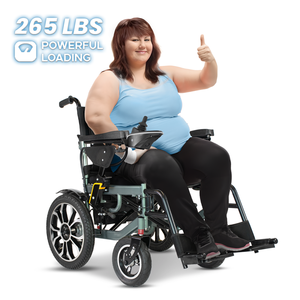
Nuk Healthcare’s product matrix focuses heavily on bariatric structural innovations (such as the 225kg double-crossbar PEPE Mobility P10038 configuration and 300kg CareMoving bariatric series) as well as specialized hydraulic patient transfer systems. Their strict adherence to ISO-compliant inspection protocols guarantees sub-1% defect rates on bulk container shipments.
2. Global OEM Contract Manufacturers (China & Taiwan Hubs)
The Asian export ecosystem remains the primary production source for high-volume wheelchair assembly. Leading OEM hubs in Jiangsu, Guangdong, and Taichung specialize in high-automated robotic TIG welding, automated powder-coating lines, and rapid prototyping. Importers looking to source from these regions must audit factory facilities for robotic weld consistency, paint adhesion testing (cross-hatch test), and salt-spray corrosion resistance on chrome-plated steel frames.
3. European Rehabilitation Specialists (Germany & Belgium Standards)
European suppliers set the benchmark for high-end active manual wheelchairs and complex posture management systems. Utilizing hydroformed aluminum tubes and titanium components, these manufacturers prioritize modular adjustability—allowing clinicians to tune center-of-gravity, seat camber, and backrest angle to millimeter precision. While unit costs are significantly higher, their product lifespans often exceed 7 to 10 years of daily active use.
Future Procurement & Technology Trends (2025–2030)
The wheelchair manufacturing sector is undergoing rapid technological convergence. Procurement specialists must anticipate several emerging technological shifts when establishing 3-to-5-year supplier agreements:
A. Ergonomic Bariatric Seat Geometry
Traditional bariatric wheelchairs often suffered from "sling-seat effect," where flexible nylon upholstery sagged under heavy loads, causing internal rotation of the femur and severe pelvic instability. Next-generation manufacturers are integrating anatomical contoured seating plates, high-density viscoelastic memory foam toppers, and modular lateral posture supports directly into standard manual and electric bariatric frames.
B. Multi-Functional Patient Transfer Integration
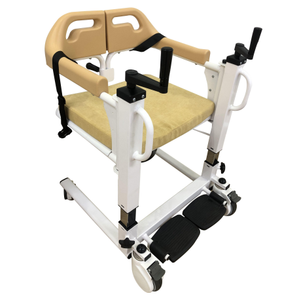
Nursing shortages in hospitals and care homes globally have driven intense demand for multi-functional equipment. The market has rapidly moved toward hybrid bathroom commode transfer wheelchairs (such as the Dragon Medical Series). Featuring 180-degree rear-opening split seats and hydraulic foot-pump height adjustment, these devices enable a single caregiver to transfer patients safely from beds to toilets or showers without manual lifting, vastly reducing occupational back injuries among healthcare staff.
C. Ultralight Carbon Fiber & Titanium Alloys
While traditional steel frames remain dominant for cost-sensitive institutional tenders, consumer travel preferences are driving adoption of carbon fiber monocoque frames. Carbon fiber reduces frame weight to under 8 kg while providing superior vibration damping over rough outdoor surfaces. For exporters, lightweight materials dramatically reduce international shipping freight costs per container unit.
Institutional Procurement FAQ: Guidance for Global Buyers
Navigating international medical device purchasing requires clarity regarding regulatory compliance, quality control, and shipping logistics. Below are the most critical FAQs answered by industry procurement experts:
Why Partner with Nuk Healthcare: Corporate Advantages & Supply Chain Excellence
Choosing Nuk Healthcare as your primary sourcing partner grants immediate access to an established, multi-national medical supply infrastructure built on reliability, transparency, and clinical excellence.
15+ Years Proven Industry Experience
Established in 2009, Nuk Healthcare possesses deep historical knowledge of global trade regulations, medical standards, and technical engineering specifications.
Official Regulatory Authorization
Full legal authorization via Import/Export Code (IEC: 0308057023) and registered GST taxation credentials (27AAQPK2858J1Z4) guarantees seamless customs clearance.
Strategic Logistic Hub (Mumbai, India)
Operating from Goregaon East, Mumbai, Nuk Healthcare leverages major deep-water ports for efficient containerized shipping to Africa, Europe, the Middle East, and Asia.
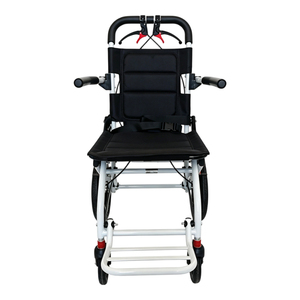
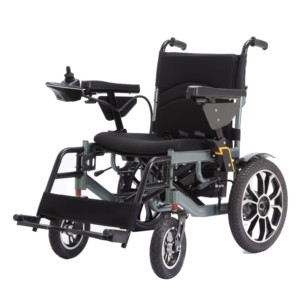
Whether you require standard steel manual transit chairs for hospital ward fleets, specialized 300kg bariatric electric wheelchairs, or innovative hydraulic bathroom transfer chairs, Nuk Healthcare delivers unmatched quality control, competitive tier-one pricing, and dedicated post-sale technical support.
Ready to Request Wholesale Specs & Container Pricing?
Contact our B2B procurement team today to receive a comprehensive product catalog and customized bulk quotation.