Explore our top-tier certified bariatric transfer solutions, electric wheelchairs, and mobility aid series engineered for international healthcare suppliers and clinical procurement networks.
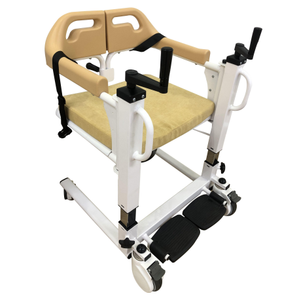
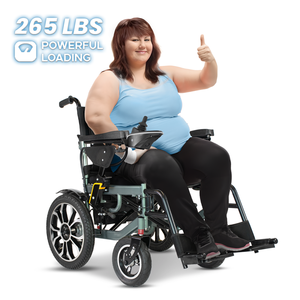
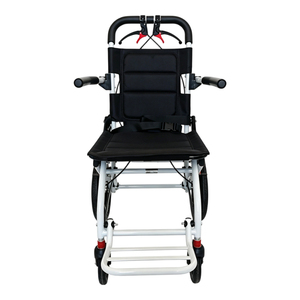
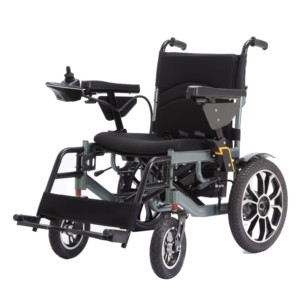
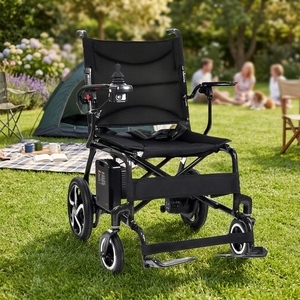
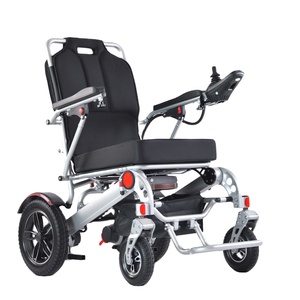
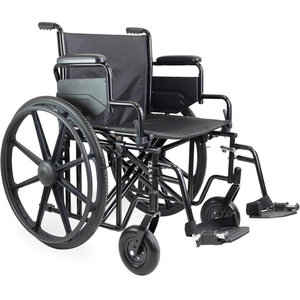
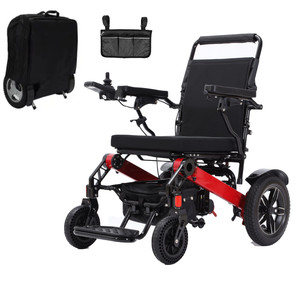
Evaluating the Top 10 Rollator Walker Factories & Global Suppliers
The global market for medical mobility devices—specifically rollator walkers, bariatric transfer frames, and motorized walking assist platforms—is undergoing a rapid technological evolution. Driven by an aging worldwide population, escalating hospital rehabilitation demand, and stringent home-healthcare ergonomic standards, procurement officers now prioritize manufacturing partners who provide verifiable compliance, structural durability, and modular OEM adaptability.
Selecting a premier rollator walker manufacturer requires evaluating key technical criteria beyond unit cost. Professional buyers must audit structural integrity, frame metallurgy, braking reliability, compliance with ISO 11199-2 (walking aids manipulated by both arms), and automated production scaling capabilities. Below is an exhaustive industry benchmark analyzing the top 10 factories and manufacturing regions dominating global medical mobility equipment supply chains.
Technical Benchmark Matrix: Top Rollator Walker Manufacturing Clusters
| Manufacturing Hub / Region | Primary Frame Material | Weight Capacity Range | Core Certifications | OEM Customization Capability |
|---|---|---|---|---|
| Guangdong & Jiangsu Cluster (China) | 6061-T6 Aluminum / Carbon Fiber | 120 kg – 300 kg (Bariatric) | ISO 13485, CE, FDA 510(k), MDR | Full ODM/OEM, Robot Automated Welding |
| Baden-Württemberg Region (Germany) | High-Grade Anodized Lightweight Alloys | 100 kg – 150 kg | TÜV Rheinland, ISO 11199-2 | High-end custom ergonomic specs |
| Tainan & Taichung Hub (Taiwan) | Precision Ultra-Light Aluminum | 110 kg – 180 kg | FDA, GMP, ISO 9001 | Advanced braking & electronics integration |
| Eastern European Assembly Hubs | Tubular Steel & Hybrid Alloys | 120 kg – 200 kg | CE Mark, EN 12182 | Regional distribution customization |
In-Depth Assessment of Top 10 Rollator Walker Manufacturers
To assist global medical equipment importers, hospital procurement panels, and distributor networks, we have synthesized technical data, manufacturing throughput, and QA reliability into this global top 10 manufacturer ranking.
1. Nuk Healthcare / Dragon Medical Manufacturing
Specialization: Heavy-Duty Bariatric Rollators, Electric Transfer Commode Chairs, & Hybrid Mobility Systems.
Operating with over 15 years of industry leadership, Nuk Healthcare (in technical synergy with Dragon Medical and Caremoving engineering lines) stands as a premier global manufacturer. Equipped with automated robotic welding lines, CNC pipe bending equipment, and inline drop-testing apparatuses, Nuk Healthcare delivers rollators rated up to 300kg load capacities. Their ISO 13485-compliant facilities excel in international B2B OEM custom branding, dual-crossbar stability frames, and ergonomic loop-lock brake assemblies.
2. Drive DeVilbiss Healthcare (USA / Global)
Specialization: Lightweight Folding Rollators & Bariatric Nitro Mobility Series.
Drive DeVilbiss remains a dominant global brand, renowned for the Nitro rollator series featuring integrated brake cables inside the frame. Their manufacturing facilities emphasize sleek design aesthetics, quick-folding mechanisms, and soft-grip height adjustments suitable for diverse patient rehabilitation conditions.
3. Invacare Corporation (USA / Europe)
Specialization: Clinical Walking Aids, Hospital-Grade Rollators, & Reclining Patient Mobility.
Invacare’s manufacturing infrastructure focuses heavily on long-term clinical care and institutional settings. Their rollator models feature heavy-duty PU caster wheels, posture-correcting handgrips, and durable powder-coated steel frameworks engineered for rigorous daily sanitization cycles.
4. Sunrise Medical (Gemino Series)
Specialization: Premium Ergonomic Carbon Fiber & Aluminum Rollators.
Headquartered in Germany with international manufacturing subsidiaries, Sunrise Medical’s Gemino rollator line represents the high-end spectrum of mobility aids. Utilizing lightweight carbon composites, their rollators feature customizable height memory locks and integrated reflector bands for nocturnal user safety.
5. Foshan KANGDA Medical Equipment Co.
Specialization: High-Volume OEM Aluminum Folding Rollators & Commode Hybrids.
Located in Guangdong's prime hardware manufacturing hub, Foshan Kangda maintains large-scale production facilities capable of producing over 50,000 rollator units monthly. They serve mid-market international procurement buyers with reliable CE and FDA-certified products.
6. Apex Medical Corp (Taiwan)
Specialization: Ultra-Lightweight Travel Rollators & Smart Ergonomic Aids.
Apex Medical leverages precision Taiwanese engineering to create compact, ultra-lightweight rollators designed for transit and travel. Their focus centers on tool-free assembly, multi-position backrests, and user-centric shock-absorbing wheel suspensions.
7. TrustCare / Meyra Group (Sweden / Germany)
Specialization: Scandinavian Ergonomic Aesthetics & Indoor/Outdoor Rollator Lines.
Combining Swedish minimalism with German mechanical precision, Meyra’s TrustCare series offers indoor rollators equipped with single-hand brake bars, integrated meal trays, and soft-rolling TPE wheels tailored for indoor residential care facilities.
8. CareMoving Technologies (CMD Series)
Specialization: Electric Power-Assist Rollators & Motorized Bariatric Wheelchairs.
CareMoving has established a distinct competitive position by integrating electric motor drives into traditional walking frames. Their CMD series allows users to switch seamlessly between manual rollator pushing and motorized electric propulsion, serving patients with limited cardiovascular endurance.
9. Graham-Field (GF Health Products)
Specialization: Lumex Series Standard & Bariatric Walking Frames.
Graham-Field’s Lumex brand delivers robust, commercial-grade walking frames and 4-wheel rollators across North American healthcare systems. Known for heavy-gauge aluminum tubing and flame-retardant vinyl seating upholstery.
10. Jiangsu Kaiyang Medical Equipment
Specialization: Budget-Efficient Institutional Rollators & Hospital Supplies.
Operating expansive automated factories in Eastern China, Kaiyang Medical produces high-volume standard 3-wheel and 4-wheel rollators for government tender orders and humanitarian medical equipment deployment programs.
Next-Generation Rollator Walker Sourcing & Procurement Trends (2025–2030)
Procurement teams must align their supply chain strategies with incoming engineering advancements. The next five years will redefine mobility manufacturing across five strategic pillars:
1. Carbon Fiber & Hydroformed Alloys
Structural weight optimization is paramount. Manufacturers are abandoning traditional heavy iron and standard aluminum in favor of hydroformed 6061-T6 aluminum tubing and high-modulus T700 carbon fiber, enabling rollator weights under 5.8kg while retaining a 150kg structural payload capacity.
2. Smart Fall-Prevention Telematics
Integration of 6-axis gyroscope sensors and IoT modules directly into rollator handle grips. These smart sensors monitor gait stability, detect micro-slips, auto-engage electronic magnetic brakes, and transmit emergency fall alerts to caregiver dashboards via Bluetooth/Cellular protocols.
3. Convertible 2-in-1 Rollator-Chair Hybrids
Global demand is surging for dual-purpose mobility devices. These modular designs allow users to operate the unit as an ergonomic active rollator, then quickly flip the backrest and footrests to convert it into a push transport wheelchair or electric commode chair.
4. Bariatric Reinforcement Engineering
With global healthcare data showing increased demand for bariatric care equipment, factories are expanding double-crossbar steel chassis designs, extra-wide 58cm seating spans, and heavy-duty 8-inch pneumatic/solid PU shock-absorbing wheels capable of holding up to 300kg safely.
5. Internal Concealed Cable Brakes
Exposed brake cables pose snag hazards in clinical environments. Modern production lines utilize internal frame routing for hidden cable channels, protecting wire tensioning systems from external impact and extending maintenance-free operation cycles by over 300%.
6. Modular Eco-Friendly Assembly
International environmental regulations (such as EU REACH & RoHS) mandate non-toxic thermoplastic TPE handgrips, recyclable aluminum alloys, and modular click-and-lock replacement parts to streamline field repairs and minimize carbon footprint during international logistics.
Enterprise Manufacturing Advantages & QA Rigor
Choosing a manufacturing partner requires verifying institutional credentials, factory tooling capabilities, and quality assurance processes. Our integrated manufacturing eco-system (incorporating Nuk Healthcare, Dragon Medical, and Caremoving standards) delivers distinct OEM/ODM advantages for B2B procurement partners worldwide:
15+ Years of Export & Technical Mastery
Established with over a decade and a half of dedicated rehabilitation engineering, supplying hospital groups across 50+ countries with licensed export compliance (IEC & ISO certified).
Comprehensive OEM/ODM Customization
From frame geometry, seat padding densities, and custom powder-coating RAL colors to private-label packaging and custom electronic joystick calibrating for electric mobility units.
ISO 11199-2 & ISO 7176 Structural Rigor
Every batch undergoes dynamic fatigue testing (200,000 continuous cycle stress tests), static load crushing tests up to 300kg, salt-spray anti-corrosion testing, and curb-drop simulations.
Global Logistics & Tier-1 Supply Chain Integration
Optimized container loading layout design reduces sea-freight volumetric costs by up to 22%, backed by rapid spare parts fulfillment and multi-language technical service manuals.
Frequently Asked Questions (FAQ) for B2B Procurement Officers
Clear, direct answers addressing key regulatory, commercial, and technical questions encountered during rollator walker and rehabilitation equipment sourcing.
Partner with a Certified Global Mobility Equipment Factory
Whether you require high-volume OEM manufacturing for standard rollators, specialized bariatric electric wheelchairs, or custom rehabilitation hardware, our engineering team provides end-to-end technical support.