Featured Patient Transfer Equipment
ISO 13485 & CE Certified Electric, Hydraulic, and Ceiling Patient Lifts for Clinical & Home Rehabilitation
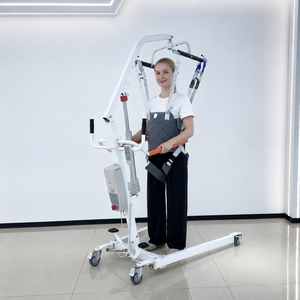
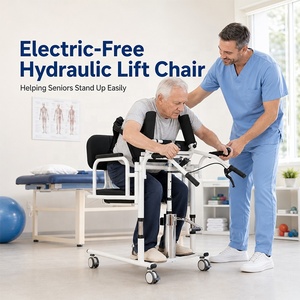
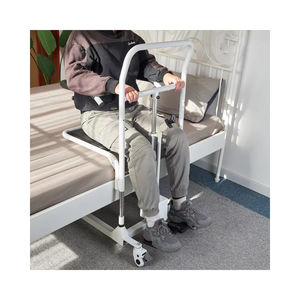
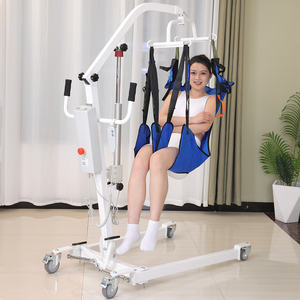
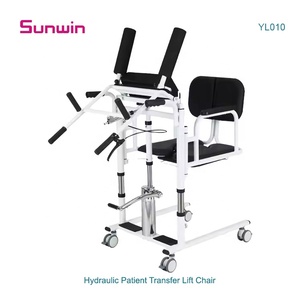
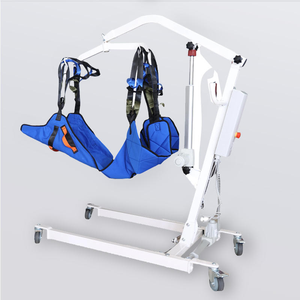
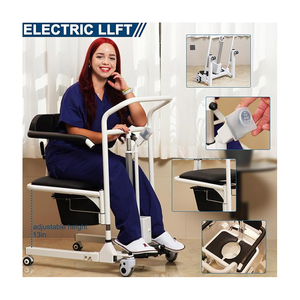
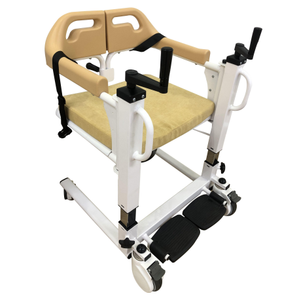
1. Technical Whitepaper: Biomechanics of Safe Patient Transfer & Mechanical Lift Engineering
In modern clinical environments, patient handling operations represent one of the primary drivers of work-related musculoskeletal disorders (MSDs) among nursing staff and healthcare caregivers. According to international occupational safety standards (including OSHA guidelines and ISO 10535 compliance frameworks), manual patient lifting poses unacceptable spinal compression risks. Engineering mechanized patient lift systems is not merely a convenience—it is an absolute clinical necessity for institutional risk mitigation and patient dignity.
As a leading patient lift manufacturer & supplier, our engineering architecture prioritizes structural load dynamics, smooth acceleration curves, and fail-safe mechanical overrides. The mechanical advantage provided by precision hydraulic cylinders and high-torque DC actuators neutralizes transfer forces, allowing a single healthcare operator to maneuver patients weighing up to 250 kg (550 lbs) with zero physical strain.
Clinical Ergonomics Insight: Implementing automated battery-powered stand assist lifts and electric hoist transfer chairs reduces caregiver lower-back spinal load by up to 88% while decreasing secondary patient fall incidents to virtually zero during bed-to-chair transitions.
Mechanical & Drive Modalities: Technical Comparison
Procurement teams must evaluate transfer apparatuses based on patient physical autonomy, care setting constraints, and operational throughput. Below is an engineering overview of primary lift categories manufactured across our production facilities:
| Lift Architecture | Actuation Type | Primary Clinical Indication | Safe Working Load (SWL) | Spatial Footprint |
|---|---|---|---|---|
| Sit-to-Stand Assist Lift | 24V DC Linear Actuator | Partial weight-bearing patients; rehabilitation training | 180 kg – 220 kg | Compact chassis; adjustable base width |
| Mobile Electric Patient Hoist | Dual-Motor Electric System | Non-weight-bearing bedridden users; full body sling lifting | 200 kg – 250 kg | Flexible floor space requirement; castor wheels |
| Hydraulic Transfer Chair | Manual Hydraulic Foot Pump | Bedside, toilet & commode transfers; home nursing | 150 kg – 180 kg | Ultra-narrow design; fits standard doorframes |
| Battery Electric Ceiling Lift | Overhead Track Actuator | ICU wards, bariatric units, space-constrained rooms | 220 kg – 350 kg | Zero floor footprint; ceiling rail mounted |
2. Engineering & Quality Criteria for Institutional B2B Procurement
When healthcare institutions, distributors, and government tenders select a patient lift supplier, strict evaluation of component longevity, failure redundancy, and material compliance is critical. Industrial-grade medical hoists undergo rigorous stress-cycle testing to withstand continuous usage in high-volume hospital wards.
Core Structural & Structural Component Specifications
- Structural Steel & Alloy Selection: Structural chassis are fabricated utilizing high-tensile Q235 carbon steel or seamless aircraft-grade 6061-T6 aluminum alloys. Precision robotic welding eliminates structural stress nodes, while anti-microbial powder coatings prevent surface corrosion caused by hospital-grade disinfectants.
- Linear Actuators & Control Systems: Electric patient lifts incorporate IPX4 water-resistant Linear Actuators (utilizing medical-grade motors such as Linak or Dewert systems). Integrated control boxes provide soft-start and soft-stop velocity control, preventing abrupt momentum shifts that induce patient anxiety.
- Battery Redundancy & Emergency Systems: Powered systems feature quick-release 24V rechargeable lithium-ion or sealed lead-acid battery packs with built-in visual and audible low-charge alerts. Dual manual emergency lowering mechanisms (mechanical screw release and hydraulic bypass valves) guarantee safe patient descent even during total electrical failure.
- Ergonomic Harnesses & Sling Engineering: Patient slings are manufactured from high-density breathable polyester fabrics reinforced with heavy-duty polypropylene webbing. Slings feature color-coded loop straps for customizable tilt positioning, padded leg sections to minimize pressure ulcers, and water-impermeable coatings for hygiene transfer models.
ISO 10535 Compliance & Quality Assurance Standard
Every electric patient hoist and hydraulic lift chair produced by Nuk Healthcare and Dragon Medical undergoes static load testing at 1.5 times the maximum rated capacity, followed by 10,000 continuous lifting cycles under full operational load. All electrical subsystems comply with IEC 60601-1 medical electrical equipment safety standards.
3. Future Trends in Patient Transfer Automation & Smart Healthcare Mobility (2025–2030)
The global patient handling equipment market is undergoing rapid technological evolution driven by demographic aging, expanding healthcare infrastructure, and the digitalization of ward management. As a forward-thinking patient lift manufacturer, our R&D division focuses on integrating smart sensory technology and modular transfer versatility into next-generation lift systems.
Key Technological Shift Trajectories:
- IoT Telemetry & Integrated Patient Weighing: Modern ceiling hoists and mobile electric lifts now feature digital strain-gauge weight sensors calibrated to medical accuracy standards. Real-time patient weight telemetry is transmitted via Wi-Fi/Bluetooth directly into Hospital Electronic Health Record (EHR) systems, streamlining fluid balance tracking and medication dosage calculations.
- Smart Motor Diagnostics & Predictive Maintenance: Advanced control boxes monitor motor load cycles, battery thermal health, and structural duty cycles. Automated service alerts notify facility maintenance teams prior to component wear thresholds, preventing equipment downtime in critical care environments.
- Multi-Functional Transfer Hybridization: The boundary between patient lifts, transfer chairs, and bathroom commodes is blurring. Multifunctional hydraulic and electric split-seat transfer chairs enable seamless bed-to-toilet transitions without requiring caregivers to swap slings, dramatically reducing transfer step counts.
- Lightweight Bariatric Engineering: Utilizing optimized structural design and high-strength aluminum composites, next-generation bariatric lifts achieve safe working loads exceeding 300 kg while maintaining lightweight maneuverability through standard facility doorways and corridors.
4. Enterprise Advantage: Why Partner with Nuk Healthcare & Dragon Medical
Selecting the right OEM/ODM manufacturing partner dictates your supply chain reliability, product quality compliance, and market competitiveness. Nuk Healthcare (along with our strategic manufacturing partner Dragon Medical) stands at the forefront of global medical mobility production.
Rigorous Quality Standards
Fully compliant with ISO 9001, ISO 13485 medical device quality systems, and CE certifications. Fully licensed with Import/Export Code IEC: 0308057023.
OEM/ODM Customization
Comprehensive custom engineering options including tailored chassis dimensions, motor brand selections, sling sizing, custom colors, and private-label branding.
Global Supply Chain Scale
With over 500+ active product SKUs and export logistics serving 80+ nations, we ensure rapid order turnaround and dependable spare parts availability.
Frequently Asked Questions (FAQ)
Essential Procurement & Technical Knowledge for Institutional Buyers and Distributors
Partner with a World-Class Patient Lift Manufacturer
Get direct factory wholesale pricing, technical specifications, and global delivery timelines for your hospital or distribution business.