High-Precision Medical & Veterinary Pulse Oximeters
Direct-from-factory diagnostic solutions engineered for clinical accuracy, home monitoring, and specialized veterinary care.
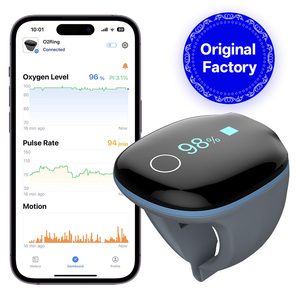
Wellue O2ring Health Monitoring Ring 16 Hours Battery Run Times Blood Oxygen SpO2 Sensor Apnea Sleep Monitor Pulse Oximeters
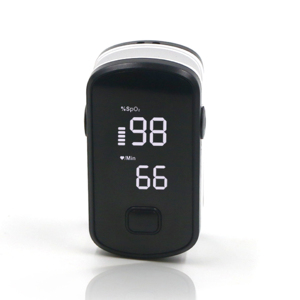
BERRY BM1000E Monitor Sensor Fingertip Pulse Oximeters LCD Display Bluetooth App Function Handheld Portable Class II Blood
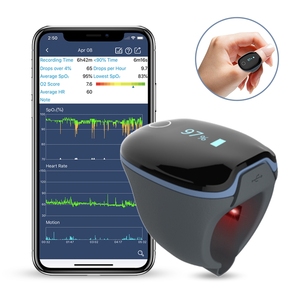
Wellue O2Ring Handheld Pulse Oximeter Digital Health Care SpO2 Oximeter
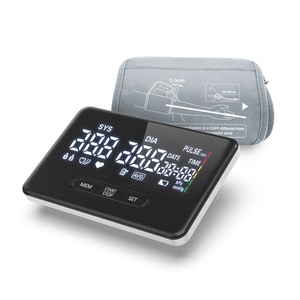
Rechargeable Digital Blood Pressure Monitor Pulse Oximeter FDBP-A7 Model LED Screen Bluetooth Wi-Fi Connectivity Manual/Electric
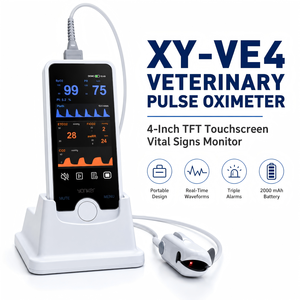
RTS Portable Digital Handheld Veterinary Pulse Oximeter Factory Price Pet SpO2 Monitor Medical Equipment SpO2 and Pulse Rate
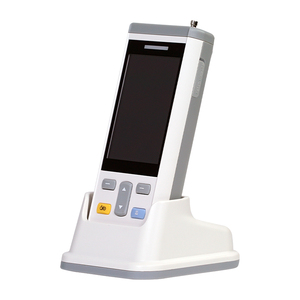
Factory Portable Handheld Vet Vital Signs Monitor Pulse Oximeters Veterinary Monitor Co2 Monitors
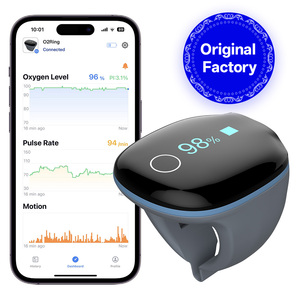
Wellue O2ring Wearable Pulse Oximeter Bluetooth Oxygen Saturation Monitor SpO2 Machine Finger Sleep Apnea Monitor Pulse Oximeter
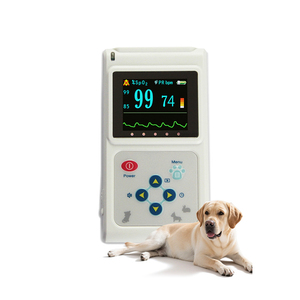
Tikopie Animal Veterinary Pulse Oximeter, Pet Blood Oxygen Saturation Detector, cat and Dog Heart Rate Pulse Oximeter
Top Trusted Pulse Oximeter Factories & Manufacturing Ecosystem Guide
Analyzing signal processing algorithms, photoplethysmography (PPG) advancements, and OEM sourcing benchmarks for healthcare enterprise buyers.
Pulse oximetry has evolved from a specialized clinical monitoring technique into a ubiquitous vital parameter measurement across hospitals, ambulatory surgical centers, continuous home healthcare, and veterinary medicine. As global procurement officers, medical device distributors, and institutional buyers navigate the landscape of top trusted pulse oximeter factories, understanding the underlying sensor technologies, regulatory compliance benchmarks, and manufacturing capabilities is paramount to securing high-performance inventory.
Information Gain Insight: Modern pulse oximeter manufacturing relies heavily on overcoming motion artifacts and low perfusion indexes. Advanced factories now implement dual-wavelength optoelectronic sensors paired with adaptive signal processing (e.g., Fourier Transform and Peak Detection algorithms) to ensure reading fidelity even under microvascular constriction (Perfusion Index < 0.1%).
1. Core Photoplethysmography (PPG) Sensor Architecture
At the heart of every precision pulse oximeter lies an optical assembly consisting of two light-emitting diodes (LEDs)—a red LED operating at approximately 660 nm and an infrared (IR) LED operating at 940 nm—opposite a silicon photodetector. Oxygenated hemoglobin (HbO2) absorbs more infrared light and allows more red light to pass through, whereas deoxygenated hemoglobin (Hb) absorbs more red light and passes more infrared light.
Leading pulse oximeter factories differentiate their products based on the quality of these optoelectronic components and the optical chamber design:
- Wavelength Calibration Precision: Industrial-grade factories test LED emitter wavelengths within a strict ±2 nm tolerance to eliminate non-linear absorption errors during calculation.
- Ambient Light Suppression: High-end handheld and wearable devices utilize high-frequency pulse modulation (up to several kHz) to separate ambient light interference from the physiological PPG signal.
- Flexible PCB Substrates: For wearable form factors such as the Wellue O2Ring Health Monitoring Ring, factories utilize ultra-thin, biocompatible flexible circuit boards capable of undergoing thousands of continuous flex cycles without trace degradation.
2. Classifications of Pulse Oximeter Devices in Global Sourcing
Evaluating factory production capability requires matching factory expertise with specific product categories. The market is primarily divided into five distinct operational architectures:
Fingertip Oximeters
Compact, self-contained units integrating display, processor, and spring-loaded optical chamber. Ideal for quick clinical spot-checks and consumer retail.
Handheld & Modular Units
Designed for continuous patient monitoring with external sensor probes. Often feature multi-parameter telemetry including SpO2, PR, Temp, and EtCO2.
Wearable Sleep Rings
Continuous ring-style monitors equipped with silent vibration alarms for nocturnal oxygen desaturation tracking, sleep apnea screening, and app integration.
Pulse Oximeter Technical Comparison & Sourcing Specifications
Comprehensive technical breakdown to assist B2B procurement managers in selecting the right product tier.
| Product Category | Typical SpO2 Range | Accuracy (70%-100%) | Connectivity Options | Primary Clinical / B2B Target | Key Factory Quality Standard |
|---|---|---|---|---|---|
| Wearable Ring Oximeter (e.g., Wellue O2Ring) | 70% - 100% | ±2% or ±1 bpm | Bluetooth 5.0, SDK Available | Sleep Centers, Telehealth, RPM | ISO 10993 Biocompatibility, IP22 |
| Fingertip Oximeter (e.g., Berry BM1000E) | 35% - 100% | ±2% (80%-100%) | Bluetooth BLE, App Support | Home Care, OTC Retail, Emergency | CE Class IIa, FDA 510(k), IEC 60601-1 |
| Handheld Vital Signs Monitor | 0% - 100% | ±1% (Hypoxia conditions) | Wi-Fi, RS232, Central Station System | Hospitals, ICU, Ambulance Units | ISO 13485, Shock/Vibration Drop Test |
| Veterinary Oximeter (e.g., Tikopie, RTS Vet) | 0% - 100% | ±2% (Adjustable thresholds) | USB, Bluetooth Data Export | Veterinary Hospitals, Pet Clinics | Multi-size Y-Clip Probes, Anti-Movement Algorithm |
| Integrated BP & SpO2 Monitor | 70% - 100% | ±2% SpO2, ±3mmHg BP | Bluetooth / Wi-Fi Dual Module | Elderly Care, Hybrid Telemonitoring | NIBP Overpressure Protection Standard |
Future Procurement Trends & Manufacturing Innovations (2025–2030)
Strategic insights for procurement directors preparing for the next generation of remote care and smart diagnostics.
Trend 1: Integration with Telehealth Platforms & SDK Open Ecosystems
Standalone medical hardware is rapidly giving way to connected ecosystem endpoints. Modern healthcare procurement mandates that pulse oximeters come equipped with Bluetooth Low Energy (BLE 5.0/5.2) and Wi-Fi chips capable of seamless API/SDK integration into Remote Patient Monitoring (RPM) platforms. Factories offering customizable firmware protocols and open Bluetooth GATT services are capturing the largest market share among hospital networks.
Trend 2: AI-Powered Motion Artifact Suppression (MAS) & Low Perfusion Engineering
Patient movement and poor peripheral perfusion (due to hypothermia, shock, or vascular disease) historically induce false desaturation alarms. Top-tier manufacturers are incorporating microprocessors running machine learning models trained on millions of physiological PPG waveforms. These algorithms dynamically filter out motion noise, allowing accurate blood oxygen readings down to a Perfusion Index (PI) as low as 0.05%.
Trend 3: Miniaturization & Wearable Continuous Form Factors
While spot-checking remains important, continuous 24-hour monitoring is the primary vector for sleep apnea detection, COPD management, and post-operative recovery. Ring-style pulse oximeters, such as the Wellue O2Ring series, leverage ultra-compact silicon photodiode arrays and flexible lithium-polymer batteries to deliver up to 16 hours of continuous nocturnal tracking without causing pressure sores or wearer discomfort.
Trend 4: Expansion in Veterinary Medical Equipment Demand
Veterinary diagnostics represent one of the fastest-growing sub-sectors in medical equipment distribution. Veterinary pulse oximeters require unique probe architectures (such as dual-size tongue clips and reflectance tail sensors) alongside software calibrated for diverse animal heart rate ranges (up to 350 bpm for small felines and canines). Direct-factory sourcing allows distributors to acquire specialized multi-parameter monitors integrating SpO2 with micro-stream EtCO2 for veterinary anesthesia safety.
How to Audit & Evaluate Pulse Oximeter Manufacturing Facilities
Strict quality assurance protocols to minimize compliance risks and ensure product longevity.
ISO 13485 & Regulatory Approvals
Verify that the factory operates under a certified ISO 13485 Medical Device Quality Management System, holds CE MDR certification, and possesses FDA 510(k) clearances for target markets.
Optical Calibration Chambers
Ensure the facility utilizes automated darkroom testing rigs and Index 2 SpO2 simulators to test each unit across dynamic saturation levels (70% to 100%) during line assembly.
Supply Chain Resilience & Testing
Audit component traceability for optical microcontrollers, OLED displays, and medical-grade silicone. Confirm drop-testing, thermal shock, and ingress protection (IPX2-IPX7) capabilities.
Why Partner with Our Global Manufacturing & Supply Network
Combining 15+ years of medical distribution excellence with direct manufacturing control.
Industry Experience
Established track record serving international medical equipment buyers and hospital chains since 2009.
IEC & Regulatory Clean
Fully compliant with international trade laws (IEC: 0308057023), ensuring seamless customs clearance globally.
Comprehensive Catalog
Extensive inventory covering consumer health, professional clinical monitors, and veterinary medical equipment.
Verified Buyers Rating
Recognized for reliable shipment fulfillment, high product consistency, and dedicated B2B customer care.
Frequently Asked Questions for Pulse Oximeter Procurement
Addressing key technical, regulatory, and commercial inquiries from institutional buyers.
What is the standard Minimum Order Quantity (MOQ) for OEM branding?
For custom logo silk-screening, custom packaging, and tailored Bluetooth device naming, factory MOQs typically start at 1,000 units per model. Standard non-branded or factory-branded shipments can be fulfilled in smaller batch sizes starting from 50 to 100 units.
How do pulse oximeter factories ensure compliance with FDA 510(k)?
FDA 510(k) clearance requires demonstrating substantial equivalence to a legally marketed predicate device. Factories conduct controlled hypoxia clinical trials (in accordance with ISO 80601-2-61) where arterial blood gas samples (SaO2) are drawn from healthy volunteers to validate SpO2 accuracy against CO-oximeter reference values.
What is the difference between Human and Veterinary Pulse Oximeters?
Human pulse oximeters are calibrated for human skin thickness and pulse rates between 30 to 250 bpm. Veterinary models feature modified optical sensor algorithms that accommodate higher pulse rates (up to 350+ bpm), tissue pigmentation variations, and specialized hardware accessories like tongue clips and ear probes.
Can continuous wearable oximeters detect sleep apnea events?
Yes. Devices like the Wellue O2Ring continuous sleep monitor track Oxygen Desaturation Index (ODI) events throughout the night. Integrated software analyzes drop frequency (>3% or >4% SpO2 dips) and generates comprehensive PDF reports for clinical evaluation.
How are warranty and defective unit returns handled for B2B orders?
Direct factory procurement includes standard 12-to-24 month limited warranties. In wholesale distribution agreements, factory partners provide 1% to 2% spare unit buffers with each bulk container shipment or provide component-level replacement modules for local service center handling.
What connectivity protocols are supported for telemetry systems?
Modern factory models support BLE (Bluetooth Low Energy), Wi-Fi, standard micro-USB data transfer, and serial RS232 outputs for hospital central monitoring systems. Customized SDKs allow mobile app developers to read real-time streaming SpO2 data directly into iOS and Android healthcare platforms.