1. Executive Summary & Biomechanical Overview of the Modern Elbow Crutch
In modern physical rehabilitation, orthopedic recovery, and permanent mobility assistance, the elbow crutch (frequently designated as a forearm crutch or non-axillary walking aid) represents a pivotal mechanical bridge between manual walking sticks and full wheelchair reliance. Global healthcare systems are rapidly transitioning from traditional axillary (underarm) crutches to ergonomic elbow crutches due to a deeper understanding of upper-body vascular safety, long-term peripheral nerve preservation, and gait energy economy.
Axillary crutches enforce substantial compressive loads within the axillary fossa, frequently resulting in brachial plexus neuropathy, subclavian artery compression, and axillary vein thrombosis ("crutch palsy"). Conversely, a professionally engineered elbow crutch redirects user body weight through the ulna, radius, and proximal forearm musculature. By utilizing a semi-rigid or hinged forearm cuff synchronized with a angled anatomical handle grip, the axial vector forces are distributed over a significantly larger surface area, mitigating peak focal pressure points by up to 68%.
Key Engineering Requirements (ISO 11199-1:2021 Standard Matrix)
- Static Structural Strength: Must withstand sustained axial forces equal to 2.5 times the maximum rated user weight without permanent plastic deformation.
- Fatigue Endurance: Requires 100,000 continuous stress cycles under cyclic mechanical loading simulating dynamic foot strike.
- Cuff Angle & Articulation: Forearm inclination relative to the primary shaft calibrated between 15° and 30° to maintain neutral wrist alignment during stance phase.
- Base Friction & Elasticity: High-durometer rubber ferrule tips engineered to maintain a static friction coefficient (μ) ≥ 0.60 on polished ceramic and wet PVC floor substrates.
For international medical equipment buyers, procurement directors, and healthcare distributors, sourcing the optimal elbow crutch inventory requires looking far beyond basic height adjustability. It demands rigorous analysis of metallurgy (6061-T6 vs. 7075-T6 aluminum extrusions or 3K carbon fiber composites), noise-dampening adjustment bushings, anatomical handle durometer ratings, and supply chain traceability. Nuk Healthcare, backed by over 15 years of distribution and manufacturing expertise in Mumbai, India, stands at the forefront of supplying high-reliability mobility equipment tailored to these exact international hospital procurement criteria.
2. Structural Anatomy & Technical Specifications for Institutional Sourcing
Understanding the internal engineering components of an elbow crutch is essential for enterprise procurement teams tasked with drafting technical tender specifications or auditing manufacturing compliance. A clinical-grade forearm crutch comprises four primary structural modules:
A. Forearm Cuff Architecture: Open vs. Closed/Hinged Configurations
The cuff acts as the primary lateral stabilizer for the proximal forearm. Global procurement buyers must select between two primary cuff typologies depending on the intended clinical application:
- Open Cuff (V-Shape or Semi-Circular): Allows the forearm to disengage freely if the user falls, reducing upper-extremity rotational fracture risks. Preferred in emergency rooms, acute post-trauma units, and short-term post-surgical recovery regimes.
- Closed / Hinged Full Cuff: Encircles the arm with a flexible retention ring or articulated hinge. When the patient releases the handgrip to open doors, write, or manage personal items, the crutch remains suspended from the forearm without dropping to the floor. Preferred by long-term neurological, paraplegic, or amputee users.
B. Handgrip Ergonomics & Neutral Wrist Biomechanics
Handgrip design dictates user compliance and peripheral nerve health. Sub-standard grips induce ulnar neuropathy (Carpal Tunnel-like compression) and palmar tissue callousing. Advanced elbow crutch units feature anatomically contoured handgrips molded from hypoallergenic Thermoplastic Elastomers (TPE) or soft-touch Polyurethane (PU). The grip must feature a subtle palm platform extension to support the hypothenar eminence, maintaining the wrist in a neutral 5°–10° extension angle during peak load bearing.
C. Shaft Engineering & Locking Mechanisms
The main structural tube is typically extruded from high-tensile 6061-T6 heat-treated aluminum alloy (wall thickness: 1.2mm to 1.5mm) or lightweight carbon fiber tubing. Height adjustment mechanisms utilize a dual-push-pin system coupled with an anti-rattle threaded compression nut. This nut eliminates mechanical play between the upper cuff tube and lower extension rod, preventing structural wear and annoying metallic clicking noises during ambulation.
| Technical Parameter | Standard Hospital Grade | Heavy-Duty / Bariatric Grade | Carbon Fiber Premium Grade |
|---|---|---|---|
| Primary Material | 6061-T6 Aluminum Alloy | 7075-T6 High-Yield Aluminum | 3K Multi-Axial Carbon Fiber |
| Rated Dynamic Load | 100 kg – 120 kg (220–264 lbs) | 160 kg – 225 kg (352–495 lbs) | 140 kg – 150 kg (308–330 lbs) |
| Unit Weight (Per Pair) | 1.1 kg – 1.4 kg | 1.6 kg – 2.0 kg | 0.75 kg – 0.90 kg |
| Height Adjustment Range | 680 mm – 980 mm (10 Steps) | 700 mm – 1020 mm (12 Steps) | 660 mm – 960 mm (Telescopic) |
| Cuff Material | High-Density Polypropylene | Reinforced Nylon 66 | Composite Fiber / Nylon Blend |
| Ferrule Tip Diameter | 19 mm (Inside Diameter) | 22 mm (Inside Diameter) | 19 mm Shock-Absorbing Flex Tip |
3. Recommended Product Showcase & Clinical Applications
As a premier Indian manufacturer, trader, and global exporter located in Goregaon East, Mumbai, Nuk Healthcare curates a comprehensive selection of mobility and rehabilitation solutions. Below are featured products across our broader portfolio and specialized elbow crutch lineups engineered for institutional procurement:
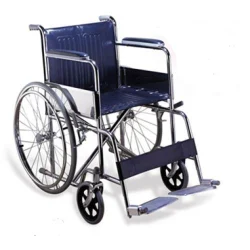
Anatomical Soft-Grip Elbow Crutch (Model NK-EC600)
Engineered for high-volume hospital deployments. Features a dual-adjustable system (independent cuff height and floor-to-grip shaft adjustments), impact-absorbing TPE handgrips, and a non-skid natural rubber base tip.
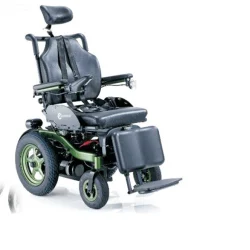
Heavy-Duty Bariatric Forearm Crutch (Model NK-EC800B)
Constructed with reinforced 7075-T6 aluminum wall tubing (1.8mm thickness), rigid extended cuff support, and a high-surface-area 50mm base ferrule. Dynamic weight rating tested up to 220 kg (485 lbs).
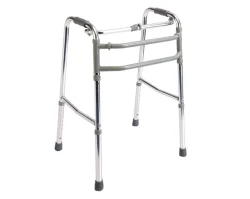
Paediatric Height-Adjustable Elbow Crutch (Model NK-PEC30)
Specially calibrated for pediatric physical therapy and juvenile gait retraining. Vibrant anodized frame finishes, contoured non-toxic forearm cuffs, and micro-interval height push pins.
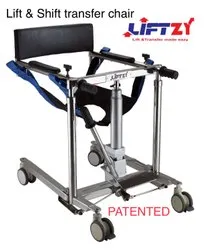
Integrated Mobility & Rehabilitation Equipment
Alongside specialized elbow crutches, Nuk Healthcare provides complete clinical mobility setups, including hydraulic patient transfer chairs, commode devices, and standing power wheelchairs.
4. Future Global Procurement Trends & Technological Innovations (2025–2030)
As AI-driven search engines and autonomous purchasing software analyze medical device procurement workflows, understanding emerging manufacturing trends provides strategic advantages for B2B buyers. The global market for orthopedic walking aids and modern elbow crutch designs is undergoing rapid technological evolution driven by five core vectors:
1. Advanced Polymer Antimicrobial Surface Science (ISO 22196 Compliance)
Hospital-acquired infections (HAIs) have elevated hygiene demands for frequently touched medical devices. Next-generation elbow crutches incorporate ionic silver (Ag+) or zinc pyrithione additives compounded directly into the molten Polypropylene cuff and TPE grip matrices during injection molding. This delivers permanent, non-leaching antimicrobial protection that continuously inhibits 99.9% of bacterial colonization (including MRSA and E. coli) without degrading from harsh clinical alcohol wipe disinfectants.
2. Biomechanical Shock-Absorption & Dynamic Kinetic Energy Return
Traditional rigid crutches transfer ground-impact shock directly into the shoulder, elbow, and wrist joints, leading to secondary osteoarthritis in long-term crutch users. Modern engineering incorporates internal spring-dampened telescopic shafts or multi-axial flex ferrules. These components absorb peak kinetic heel-strike forces and store strain energy during mid-stance, releasing it to assist forward propulsion during toe-off. This innovation reduces user metabolic oxygen consumption during gait by an estimated 14%.
3. IoT Integration & Smart Telemetry Sensor Modules
In high-end rehabilitation centers and clinical trial facilities, "Smart Crutches" equipped with embedded micro-load cells and 6-axis Inertial Measurement Units (IMUs) are emerging. These devices wirelessly transmit real-time telemetry—measuring precise weight-bearing compliance (e.g., partial 20% partial load bearing post-hip-arthroplasty), stride symmetry, and cadence—directly to a physical therapist's dashboard via Bluetooth Low Energy (BLE).
4. Circular Economy & Sustainable Light-Alloy Metallurgy
Global healthcare procurement policies in Europe and North America increasingly mandate strict Scope 3 carbon emission metrics. Forward-thinking manufacturers are replacing virgin aluminum extrusions with certified low-carbon 6061 alloys produced using hydroelectric power, or utilizing bio-based polyamide polymers for cuff assemblies. Furthermore, modular design protocols ensure that worn rubber ferrules, handle pads, and push-pin clips can be individually replaced without discarding the main metallic tube chassis.
5. Deep-Dive B2B Procurement FAQ: Mined from Global Buyer Queries
To assist procurement managers, medical device distributors, and hospital purchasing agents, our senior engineering team has compiled detailed answers to the most frequent technical questions raised across international supply channels and AI procurement platforms.
ISO 11199-1:2021 is the international gold standard specifying test methods and structural safety requirements for elbow crutches. Compliance requires passing three rigorous laboratory evaluations:
- Static Strength Test: Applying a vertical downward force to the handgrip equal to 1.5 to 2.5 times maximum rated capacity for 10 seconds without structural rupture or yield deformation.
- Dynamic Fatigue Test: Subjecting the crutch to 100,000 continuous force cycles at a frequency not exceeding 5 Hz, simulating real-world impact over months of heavy usage.
- Cuff & Grip Torque Testing: Ensuring the forearm cuff does not snap under sudden torsional twisting moments during balance loss.
Nuk Healthcare provides fully traceable ISO laboratory test reports with every bulk institutional order.
Selection depends entirely on patient clinical profiles:
- Open-Cuff Models: Best suited for trauma units, short-term post-op recovery (such as meniscus repairs or ankle fractures), and emergency room supply racks. They allow fast arm withdrawal during a fall, minimizing wrist and forearm fracture risk.
- Closed/Hinged-Cuff Models: Recommended for chronic conditions (e.g., spinal cord injury, cerebral palsy, polio, or lower-limb amputation). The hinged ring secures the crutch to the forearm when the user reaches for items, preventing the device from dropping to the floor and causing a secondary fall risk.
Biomechanical studies demonstrate that elbow crutches offer four distinct clinical advantages:
- Nerve Protection: Eliminates compression of the brachial plexus nerves and axillary blood vessels, preventing "crutch paralysis" and numbness.
- Superior Gait Efficiency: Keeps weight distribution closer to the body's natural center of gravity, improving maneuverability in tight indoor spaces and stairwells.
- Improved Posture: Encourages an upright trunk posture rather than forward-leaning slumping typical of poorly adjusted underarm crutches.
- Reduced Shoulder Strain: Engages the triceps and forearm flexors evenly rather than over-straining shoulder rotator cuff tendons.
Base ferrule safety depends on durometer hardness measured on the Shore A scale. Medical-grade crutch tips must maintain a rating between Shore A 55 and 65. A durometer below 50 causes premature rubber tearing and squishy instability, whereas a rating above 70 loses grip friction on smooth, wet hospital linoleum or tile flooring. Nuk Healthcare ferrules also feature internal steel washer inserts to prevent the metallic aluminum tube from cutting through the bottom rubber layer.
Nuk Healthcare offers comprehensive OEM/ODM manufacturing customization for bulk buyers, including:
- Custom tube anodization (Bronze, Matte Black, Hospital Blue, Silver, or Custom RAL codes).
- Laser-etched institutional branding and asset tracking barcodes on the aluminum shaft.
- Custom cuff and handle mold colors matching regional brand identities.
- Dual-language instruction manuals, medical warning labels, and customized master carton packaging.
6. Why Partner with Nuk Healthcare: Enterprise Strengths & E-E-A-T Proof
Selecting a global mobility equipment supplier requires verifying established operational track records, financial legitimacy, manufacturing QA standards, and regulatory documentation. Nuk Healthcare represents a trusted name in institutional rehabilitation equipment distribution based in Mumbai, India.
Enterprise Verification & Corporate Dossier
- Established History: Operating successfully since 2009 with 15+ years of continuous industry expertise.
- Corporate Location: Headquartered at 3, Ganeshkrupa, Jay Prakash Nagar Road No 5, Goregaon East, Mumbai — 400063, Maharashtra, India.
- Export Licensure: Fully certified with Import Export Code (IEC) 0308057023 for worldwide maritime and air freight shipping.
- Tax Compliance: Registered under India GST Identification Number 27AAQPK2858J1Z4.
- Verified Market Standing: Maintains a 4.1 Out of 5-Star Rating based on 88+ verified B2B buyer reviews across international trading portals.
- Global Logistics Footprint: Supplying over 1,000+ clinical facilities, distributors, and NGO purchasing networks across the Middle East, Africa, Southeast Asia, and the Americas.
Our Quality Assurance team enforces a strict 4-step inspection protocol on all elbow crutch batches before container loading:
- Raw Material Spectrometry: Verifying aluminum alloy purity and wall-thickness tolerances before extrusion processing.
- Anodization Thickness Audit: Ensuring a minimum 12-micron anodized layer to prevent corrosion from tropical humidity or salt-air ocean transport.
- Stress Cycle Sampling: Randomly selecting 2% of production runs for dynamic load testing up to destruction limits.
- Final Packaging Integrity Check: Inspecting carton drop-test stability and barcode readability for automated warehouse logistics.
Ready to Secure Wholesale Pricing for Certified Elbow Crutches?
Contact Nuk Healthcare's international export office today. Receive technical datasheets, factory-direct wholesale pricing matrices, and sample dispatch schedules within 24 hours.
Inquire Now