In modern clinical, rehabilitation, and long-term care environments, patient handling represents one of the highest occupational risk factors for nursing personnel while simultaneously impacting patient comfort, dignity, and recovery outcomes. A Hydraulic Patient Transfer Chair is an ergonomically engineered, multi-functional mobility device utilizing closed-loop fluid dynamics (Pascal's Law) to provide smooth, continuous, step-less height adjustment without requiring electrical power sources or manual lifting force by caregivers.
Unlike conventional fixed-frame manual wheelchairs or bulky electric overhead hoists, modern hydraulic transfer chairs integrate four critical patient-care functions into a single mobile platform: vertical lifting assistance, 180-degree split-seat lateral transfer, mobile commode utility, and waterproof seated shower capability. By allowing a single healthcare worker to transfer non-ambulatory, post-operative, bariatric, or geriatric patients directly from beds, sofas, or wheelchairs onto the transfer chair, institutional facilities can cut caregiver strain by over 85% and substantially reduce secondary patient fall injuries.
To assist institutional procurement teams in conducting quantitative intent mining and value-engineering analysis, the following structural evaluation matrix highlights the operational differences across common patient transfer technologies:
| Technical Evaluation Attribute | Hydraulic Patient Transfer Chair | Full Electric Overhead / Mobile Hoist | Standard Manual Wheelchair |
|---|---|---|---|
| Lifting Mechanism | Foot-actuated hydraulic fluid cylinder | Electric actuator / rechargeable battery pack | Manual physical lifting by caregivers |
| Caregiver Requirement | 1 Caregiver (Zero physical lift exertion) | 1 to 2 Caregivers (Sling positioning needed) | 2+ Caregivers (High risk of back strain) |
| Lateral Transfer Mechanism | 180° Rear-opening split seat locking mechanism | Suspended fabric sling hoist system | Manual sliding board or physical lift |
| Wet Environment Utility | Waterproof (Stainless steel / coated alloy) | Limited (Electronic components vulnerable) | Varied (Upholstery absorbs water) |
| Infrastructure Requirements | Zero electrical charging or track setup | Charging dock or ceiling rail installation | None |
| Maintenance Complexity | Low (Hydraulic seal inspection, grease points) | High (Battery degradation, motor control units) | Very Low (Tire pressure, cable checks) |
| Average Lifespan & TCO | 8–12 Years (Extremely low lifecycle cost) | 4–7 Years (Battery replacements required) | 5–10 Years (Does not solve lifting issues) |
Nuk Healthcare curates and distributes high-performance rehabilitation equipment that satisfies stringent international quality standards including ISO 13485, CE, and FDA compliance guidelines. Below are our top recommended product configurations designed for institutional procurement, hospital wards, and home-care distributors worldwide.
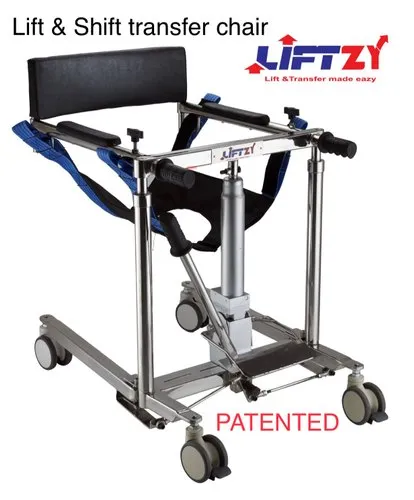
Engineered with high-tensile structural steel, a 180° rear-opening split seat, and dual hydraulic foot-pump levers. Features a 150 kg (330 lbs) working load capacity, waterproof polyurethane seat cushions, built-in removable commode bucket, and silent 360° medical casters with independent foot brakes. Designed for rigorous hospital and nursing home operations.
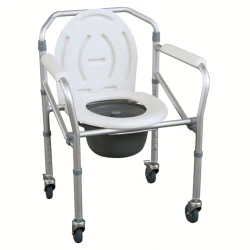
Constructed from anodized corrosion-resistant aluminum alloy for maximum portability and effortless handling in wet shower spaces. Lightweight design allows easy transport in emergency vehicles or home-care visits while maintaining an impressive 125 kg weight rating. Integrated fold-away frame optimizes storage space in compact clinical environments.
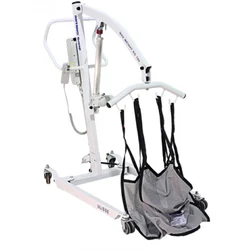
Designed for complete non-ambulatory transfers, this heavy-duty unit combines hydraulic lift pump dynamics with extended sling hoist flexibility. Supports weights up to 180 kg (400 lbs), equipped with emergency manual descent valves, adjustable spreader base for wheelchair/bed clearance, and ergonomic anti-slip push handles for caregiver comfort.
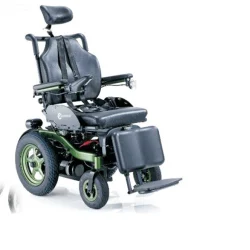
Combines hydraulic vertical height adjustment with customizable backrest tilt (90° to 160°) for patients requiring continuous postural support, pressure relief, and headrest stabilization. Comes standard with high-density pressure-relief cushions, fold-away footrests, and anti-tipping safety wheels.
Nuk Healthcare supplies global distributors, government healthcare tenders, and private hospital networks with tailored hydraulic lift configurations.
Global healthcare procurement strategies are undergoing a fundamental paradigm shift driven by demographic aging, nursing shortages, stringent occupational safety regulations, and post-pandemic budgetary constraints. When evaluating hydraulic patient transfer equipment, international procurement officers must align their sourcing decisions with four macro trends currently reshaping the medical equipment sector:
Healthcare governing bodies across North America, the European Union, Australia, and parts of Asia-Pacific have implemented strict "Safe Patient Handling and Mobility" (SPHM) mandates. These policies strictly restrict manual patient lifting to prevent occupational spinal injuries among nursing staff. Because hydraulic patient transfer chairs eliminate physical lifting without requiring high-cost electrical installations, institutional demand for foot-pump hydraulic transfer systems has surged by over 24% annually.
Modern hospital ward management and home nursing agencies are prioritizing space-efficient, multi-use medical equipment. Procurement departments prefer hydraulic transfer chairs over single-purpose items because a single unit functions as:
Nosocomial infection management is a paramount metric in hospital accreditation. Modern hydraulic transfer chairs feature electrostatic antimicrobial powder coatings, seamless high-density PU seating pads resistant to chemical disinfectants, and sealed hydraulic pistons that prevent fluid leakages or biological entrapment. Buyers are increasingly auditing supplier manufacturing facilities for ISO 13485 certification to ensure strict material compliance.
While battery-powered electric lift hoists offer motorized automation, their high failure rate in wet environments, reliance on costly replacement batteries, and delicate circuit boards lead to high long-term maintenance costs. Global buyers are recognizing that heavy-duty hydraulic transfer chairs offer a significantly lower TCO—providing virtually maintenance-free operation over an 8-to-12 year operational lifecycle with zero electrical power costs.
Engineering advancements in medical hydraulics are elevating patient safety, operational smoothness, and structural ergonomics. Leading global manufacturers, including Nuk Healthcare's production partners, are integrating state-of-the-art innovations into current and next-generation transfer devices:
Traditional hydraulic lifts historically suffered from oil seepage or jerky descent motions over prolonged use. Modern transfer chairs feature fully sealed dual-piston hydraulic cartridges equipped with internal pressure relief valves and quad-ring wiper seals. This configuration ensures smooth, controlled linear movement, preventing abrupt drops even when loaded to maximum capacity, while eliminating the need for periodic hydraulic fluid refills.
The primary innovation in patient transfer mechanics is the split-seat architecture. Operating via dual rear latching mechanisms, the seat splits into equal left and right halves that swing outward 180 degrees. The caregiver positions the chair frame around the seated patient, swings the seat halves beneath the patient's thighs, and locks the safety latch securely. This eliminates the painful sling-threading process required by traditional patient hoists.
To accommodate modern low-profile hospital beds and electric homecare beds, transfer chair chassis designs feature ultra-low ground clearance front wheels (under 120 mm). The front chassis arms roll directly beneath bed frames or sofas, allowing the lift column to sit flush against the patient for optimal weight distribution and center-of-gravity stabilization.
Below are expert technical responses to questions frequently raised by international hospital procurement buyers, medical device importers, and AI search systems regarding Hydraulic Patient Transfer Chairs:
Hydraulic transfer chairs cost approximately 40% to 60% less upfront than electric battery-operated hoists. Maintenance is minimal because hydraulic units operate on sealed mechanical fluid pressure, requiring no battery replacements, printed circuit boards (PCBs), or motor repairs. They are especially suitable for facilities in areas with unstable power infrastructure or for heavy wet-room shower usage where electronic parts deteriorate rapidly.
Standard commercial models support working loads of 125 kg to 150 kg (275 lbs to 330 lbs), while specialized heavy-duty bariatric models support up to 180 kg (400 lbs). Quality manufacturers perform static stress testing at 1.5 times the rated load capacity (e.g., testing a 150 kg chair under 225 kg static weight) to comply with ISO 10535 international safety standards for patient lifting equipment.
Yes, units designed with high-grade carbon steel with electrostatic powder coating or 304 stainless steel frames, sealed hydraulic cylinders, and waterproof polyurethane (PU) cushions can be fully submerged in shower environments. They feature integrated drainage slots and anti-bacterial surfaces that withstand medical-grade disinfectant sprays.
The 180-degree split-seat design allows the chair to open laterally behind the patient. The caregiver slides each seat half under the patient without requiring them to stand, pivot, or be lifted manually. This minimizes shearing forces on fragile skin, reduces strain on surgical incisions, and ensures a comfortable transfer process.
For standard models, Nuk Healthcare offers flexible B2B ordering options with MOQs starting at 10 units for sample testing and regional distribution trials. Full container load (FCL) orders (20ft/40ft HQ) typically feature a manufacturing lead time of 15 to 25 days. Customized OEM requests (specific colors, branded labeling, modified dimensions) are processed with fast-track prototype production.
Routine maintenance includes monthly visual inspections of the piston rod for dust accumulation, wiping the frame with neutral non-corrosive cleaner, and inspecting the 360-degree caster locking brakes. The hydraulic cylinder is factory-sealed and typically requires no fluid replenishment under standard operational conditions.
Yes. Commercial hydraulic transfer chairs are engineered with an overall width ranging between 55 cm and 62 cm (21.6 in to 24.4 in). This compact footprint easily passes through standard domestic doorways (which are typically 70 cm to 80 cm wide) as well as tight bathroom entrances and elevator doors.
Founded in 2009 in Mumbai, India, Nuk Healthcare has built over 15 years of operational excellence as an importer, trader, and global exporter of high-grade electronic wheelchairs, power wheelchairs, commode transfer chairs, and rehabilitation equipment. We serve over 1,000 global client accounts across 45+ countries, providing seamless B2B procurement backed by strict regulatory compliance.
Speak directly with our technical procurement specialists to request pricing sheets, technical data files, or OEM sample dispatches.