Certified Blood Monitors & Patient Care Mobility Solutions
Direct factory supply of medical-grade vital monitors, bariatric transfer units, and electric wheelchairs tailored for Moroccan hospitals, CHU centers, and regional health agencies.
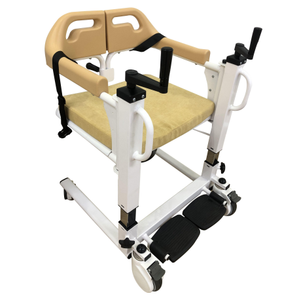
Electric Bathroom Commode Transfer Wheelchair
- Integrated NIBP Monitor Mount
- Waterproof IPX6 Hydraulic Lift
- Dual Locking Safety Casters
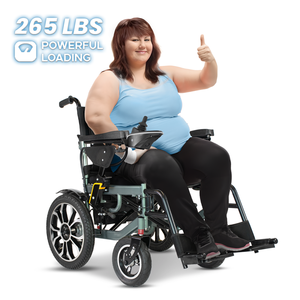
120kg Bariatric Electric Wheelchair (Caremoving CMD-05)
- Class II Medical Certification
- 58cm Extra Wide Seating
- 1-Year Factory Warranty
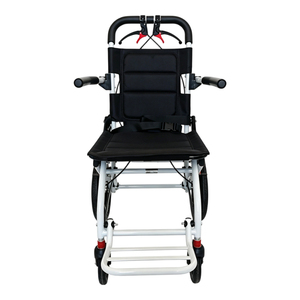
Heavy Duty Manual Foldable Bariatric Mobility Chair
- Reinforced Steel Frame
- High Weight Capacity Structure
- Easy Fold Compact Storage
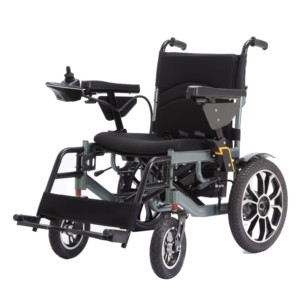
300kg Payload Bariatric Electric Wheelchair (CMD05 250W)
- Dual 250W Brushless Motors
- Heavy Duty Dynamic Braking
- Ergonomic Telemetry Armrest
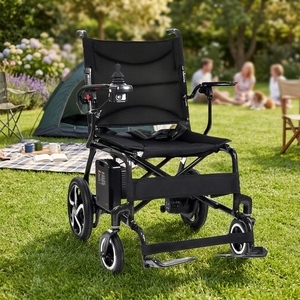
Detachable & Foldable Walk Electric Wheelchair
- Quick-Release Battery Pack
- Wholesale Procurement Value
- Precision Joystick Control
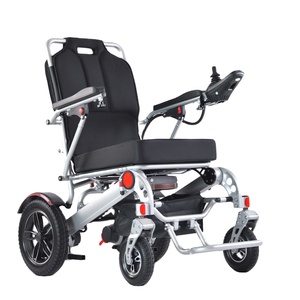
Customized Big-Size Bariatric Lightweight Power Chair
- Custom Chassis Widths
- Aircraft-Grade Alloy Construction
- Airline-Approved Battery
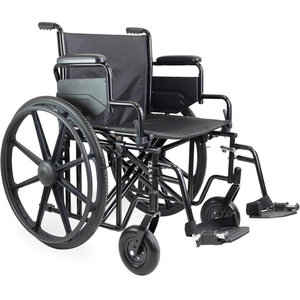
Heavy Duty 225kg Double Crossbar Steel Wheelchair
- Double Crossbar Reinforcement
- 3-Year Factory Frame Warranty
- Rotating Footrests & Armrests
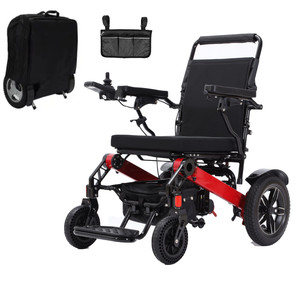
Compact Folding Bariatric Motorized Power Scooter
- Compact Fold-in-Place Design
- Long-Range Lithium Cell
- High-Grade Pneumatic Tires
Executive Whitepaper: Strategic Blood Monitor & Vital Diagnostic Supply in Morocco
The Kingdom of Morocco is undergoing an unprecedented modernization of its healthcare ecosystem, driven by royal initiatives, comprehensive universal health coverage reforms (Assurance Maladie Obligatoire - AMO), and significant investments in public hospital infrastructure (Centres Hospitaliers Universitaires - CHU). Central to this medical transformation is the high-volume procurement of precise, durable, and certified diagnostic instruments—most notably digital sphygmomanometers, automated NIBP (Non-Invasive Blood Pressure) diagnostic monitors, and integrated bedside vital sign systems.
As a seasoned original equipment manufacturer (OEM) and global supplier with over 15 years of ISO-compliant production heritage, our manufacturing facility bridges the gap between high-precision biomedical engineering and the specific operational requirements of Moroccan healthcare institutions. This whitepaper serves as an authoritative guide for hospital procurement directors, medical equipment importers, biomedical engineers, and regional health authorities across Casablanca, Rabat, Marrakech, Tangier, and Fes seeking high-information-gain sourcing strategies for blood pressure monitoring equipment.
Key Procurement Insight: Moroccan medical equipment imports must strictly conform to registration protocols managed by the Direction du Médicament et de la Pharmacie (DMP) under the Ministry of Health. Sourcing directly from ISO 13485 and CE-certified manufacturing facilities drastically streamlines DMP market clearance and custom tariffs at the Port of Casablanca.
Biomedical Architecture: Precision Sphygmomanometer Engineering
Blood pressure measurement accuracy is critical for diagnosing hypertension, preeclampsia, cardiac arrhythmia, and vascular complications across diverse clinical settings in North Africa. Modern clinical blood monitors rely on advanced oscillometric algorithms combined with dual-sensor technology to eliminate ambient acoustic interference and patient arm tremor artifacts.
Core Technical Innovations in Our Clinical Blood Monitors
- Dual-Tube Oscillometric Sensing: Unlike consumer-grade single-tube blood pressure cuffs, our hospital-grade monitors utilize independent inflation and deflation sensing channels. This ensures precise detection of Korotkoff sound equivalents, reducing systematic measurement errors to within ±3 mmHg.
- Real-Time Arrhythmia & AFib Detection: Integrated microprocessors continuously monitor pulse wave regularity during cuff deflation. The diagnostic logic highlights suspected Atrial Fibrillation (AFib) and premature ventricular contractions (PVC) on high-contrast LCD screens.
- Anti-Bacterial TPU Cuffs for Tropical & Arid Climates: Cuffs supplied to Moroccan distributors feature antimicrobial TPU (Thermoplastic Polyurethane) coatings resistant to repeated isopropyl alcohol disinfection, preventing cross-contamination in busy emergency departments.
- Integrated Patient Transfer & Vital Monitoring Synergy: Recognizing that mobility-impaired patients require frequent hemodynamic monitoring during transport, our monitors seamlessly integrate with heavy-duty transfer units, bariatric wheelchairs, and mobile clinical carts.
| Technical Specification | Clinical / Hospital Grade (Model B-850) | Ambulatory & Telehealth (Model M-200) | Standard Institutional (Model S-100) |
|---|---|---|---|
| Measurement Method | Dual-Sensing Oscillometric / Manual Auscultatory | Smart Step-Down Oscillometric | Standard Oscillometric |
| Pressure Range & Accuracy | 0 – 300 mmHg (±3 mmHg Clinical Grade) | 0 – 290 mmHg (±3 mmHg) | 0 – 280 mmHg (±3 mmHg) |
| Pulse Rate Range | 40 – 200 Beats / Min (±5%) | 40 – 180 Beats / Min (±5%) | 40 – 180 Beats / Min (±5%) |
| Data Transmission | HL7 / Wi-Fi / Bluetooth 5.2 / RS232 | BLE 5.0 / 4G eSIM Telemedicine Integration | USB Local Data Export |
| Power Supply | AC 100-240V + 12-Hour Lithium Backup | Rechargeable Li-ion (200 checks/charge) | 4x AA Batteries / DC Adapter |
| Compliance Certifications | CE 0123, FDA 510(k), ISO 13485, ESH Validation | CE, ISO 13485, BIHS Validated | CE, ISO 13485 Compliant |
Localized Application Scenarios in Morocco's Healthcare Sector
Procurement needs differ vastly across Morocco’s geographic and institutional landscapes. Our manufacturing customization caters directly to the varied operational environments of the Moroccan health system:
In high-throughput environments such as CHU Ibn Rochd in Casablanca or CHU Ibn Sina in Rabat, blood pressure monitors must handle continuous back-to-back testing. Our clinical monitors feature heavy-duty shock-resistant housings, long-life battery modules, and wall-mountable brackets for emergency bays.
Mobile medical caravans operating in the High Atlas Mountains, Draâ-Tafilalet, and rural provinces require portable, ultra-rugged blood pressure monitors with solar-charging compatibility and high dust/humidity protection (IP54 ratings) for field diagnostic outreach.
Private healthcare facilities in urban hubs like Tangier and Marrakech demand modern touch-screen interfaces, French/Arabic multilingual displays, and seamless integration with Electronic Health Record (EHR) software via Bluetooth or local Wi-Fi networks.
With Morocco's expanding middle class and national emphasis on managing chronic non-communicable diseases (NCDs), our easy-to-use digital upper-arm monitors enable elderly and mobility-restricted patients to record reliable blood pressure data at home.
Moroccan Healthcare Transformation & Market Growth Trends
Understanding local macro-economic and regulatory shifts is essential for B2B medical buyers and distributors establishing long-term supply chain partnerships in Morocco:
1. Expansion of Mandatory Health Coverage (AMO & AMO-Tadamon)
The universal rollout of AMO has brought millions of previously uninsured Moroccan citizens under public and private healthcare coverage. This shift has triggered a massive increase in patient admissions at clinics and hospitals, driving unprecedented demand for foundational diagnostic equipment including digital sphygmomanometers, vital monitors, and mobility equipment.
2. Morocco's Vision 2030 Healthcare Modernization
The Moroccan Ministry of Health is actively modernizing regional hospital networks (Groupements Sanitaires Territoriaux - GST). Procurement strategies prioritize equipment suppliers that provide robust after-sales technical documentation, spare parts availability, and strict international quality compliance (ISO 13485 / CE mark).
3. Rise of Telemedicine & Remote Patient Monitoring (RPM)
Remote medical consultation hubs are being established in less accessible provinces. Consequently, blood monitor factories must supply devices equipped with open SDKs, Bluetooth Low Energy (BLE), and encrypted data transfer protocols compatible with national Moroccan e-Health platforms.
Factory Advantage: Why Partner With Us for Moroccan Importation
Rooted in original manufacturing excellence (building upon our established product legacy in medical mobility and specialized clinical equipment), our factory offers distinct strategic capabilities for Moroccan tenders and private wholesale buyers:
- Direct OEM / ODM Customization: We offer localized branding, custom outer casing colors, tailored software UI in French and Arabic, and bespoke cuff sizing (ranging from pediatric to extra-large bariatric cuffs).
- DMP Registration Support Package: We furnish complete technical dossiers (STED), ISO 13485 factory audit reports, CE Declarations of Conformity, and Certificate of Free Sale (CFS) to accelerate registration with Morocco's Direction du Médicament et de la Pharmacie.
- Quality Assurance & Burn-In Testing: Every blood monitor leaves our assembly line only after passing a 100% automated pressure calibration check, pressure-drop leak test, and 48-hour continuous electrical burn-in testing.
- Optimized Logistics to Casablanca Port & Tangier Med: Experienced in containerized shipping, custom palletization, and temperature-controlled packing to safeguard electronic sensors during maritime transit across the Mediterranean and Atlantic routes.
Frequently Asked Questions (FAQ) for Moroccan Medical Procurement
Below are authoritative answers to common inquiries raised by biomedical engineers, hospital procurement committees, and medical device importers in Morocco:
Partner With a Leading Global Medical Equipment Manufacturer
Request our full 2025 Product Catalog, factory pricing sheets, and Moroccan DMP technical compliance dossier directly from our sales engineering team.