Factory-Direct Reclining Commode & Bariatric Wheelchairs
Precision-engineered, ISO 13485 compliant mobility solutions tailored for medical procurement in Seoul and South Korea.
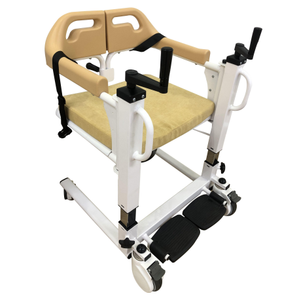
Hot Sale Factory Manufacturer Electric Bathroom Commode Transfer Wheelchair From Dragon Medical
- Waterproof IPX6 Rated Dual Linear Actuator
- 180° Split-Seat Design for Zero-Lifting Patient Transfer
- Stainless Steel Chassis with Antibacterial Seat Cushion
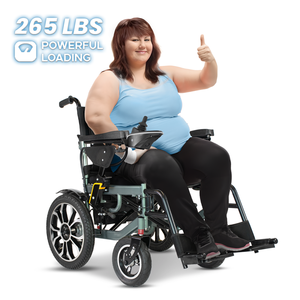
120kg Bariatric Electric Wheelchair Caremoving CMD-05 Folding Class II 58cm Wide 1 Year Warranty
- 58cm Extended Seat Width for Ergonomic Seating
- Brushless 250W Motors & Electromagnetic Braking
- Class II Medical Device Certification Ready
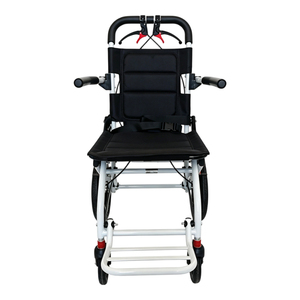
Heavy Duty Manual Wheelchair Foldable Bariatric Mobility Chair Wide Seat High Weight Capacity for Overweight Disabled Adults
- Reinforced Double Crossbar High-Carbon Steel Frame
- High-Density Flame-Retardant PU Upholstery
- 200kg + Maximum Load Capacity with Solid Rear Tyres
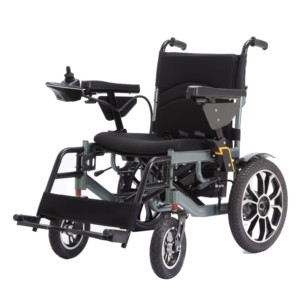
300kg Bariatric Electric Wheelchair CareMoving CMD05 250W Motor 58cm Wide Electric Wheelchair Max Load 120kg
- Ultra-Heavy Duty Reinforced Chassis Architecture
- Smooth PG Drives Controller & 360° Joystick Precision
- Detachable Footrests & Swing-away Armrest Mechanism
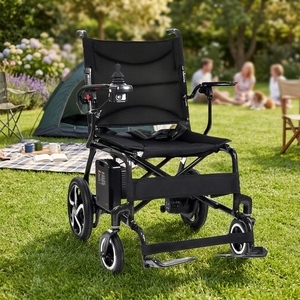
Electric Wheelchair Cheap Price Bariatric Wheel Chair Detachable Foldable Walk Electric Folding Wheelchair
- Quick-Fold Mechanism for Transport in Vehicle Trunks
- Lithium Battery Options (UN38.3 Flight Certified)
- Cost-Effective Bulk Procurement Solution for Clinics
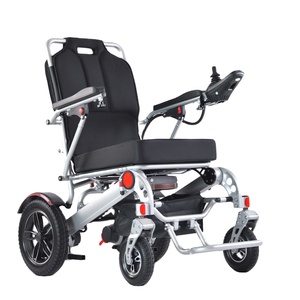
Big Size Customized Bariatric Heavy Duty Wheelchair Electric Folding Lightweight Power Travel Wheelchair
- Tailor-Made Frame Widths (52cm to 65cm Seating)
- Aircraft-Grade Lightweight Alloy Construction
- All-Terrain Pneumatic Rear Wheels for Urban Inclines
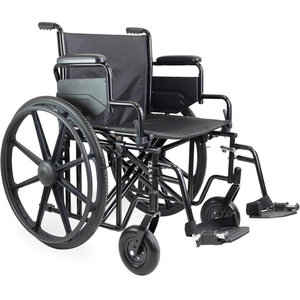
Heavy Duty Wheelchair (225kg) Wide Bariatric Folding Double Crossbar Steel Frame 3-Year Warranty PEPE Mobility P10038 Rotating
- Double Crossbar Structural Stability (225kg Rating)
- 360° Rotating Detachable Elevating Leg Rests
- 3-Year Industrial Frame Warranty for Hospital Fleets
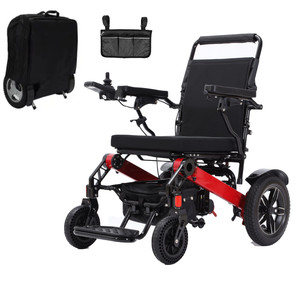
China Bariatric Power Wheelchair Scooters Motorized Wheel Chairs Compact Folding Electric Wheelchair
- Dual-Mode Operation (Manual Freewheel & Power Drive)
- Tight Turning Radius Ideal for Compact Elevator Access
- Integrated Headrest & Full Reclining Backrest Option
Executive Sourcing Guide: China Reclining Commode Wheelchair Supply Chains Serving Seoul
As South Korea rapidly transitions into a super-aged society by 2025—with over 20% of its population aged 65 or older—the demand for specialized medical rehabilitation hardware in Seoul has surged exponentially. Municipal healthcare authorities, private nursing institutions, and major hospital networks (such as Seoul Asan Medical Center, Samsung Medical Center, and Severance Hospital) are facing unprecedented pressure to upgrade their patient handling infrastructure. Central to this institutional overhaul is the procurement of high-performance Reclining Commode Wheelchairs, Hydraulic Patient Transfer Systems, and Heavy-Duty Bariatric Power Chairs.
For Seoul-based medical equipment distributors, healthcare procurement managers, and long-term care insurance (LTCI) providers, sourcing directly from top-tier Chinese manufacturing clusters represents the most economically viable and technologically advanced strategy. China’s medical device manufacturing hubs—primarily located in Jiangsu, Zhejiang, and Guangdong provinces—produce over 70% of the world’s mobility equipment. However, successfully navigating the supply chain from Chinese factories to Seoul requires deep technical insight into mechanical engineering standards, material longevity, localized architectural compatibility, and regulatory compliance under South Korea's Ministry of Food and Drug Safety (MFDS).
Key Information Gain Insight for Seoul Buyers
Procuring medical commode wheelchairs for Seoul requires specific design adaptations. Standard Western or domestic Chinese models often fail to clear the tight 700mm-800mm door frames and elevated threshold lips (문턱) typical of Seoul's high-density apartment complexes (아파트) and multi-family housing units (빌라). Factory-customized narrow-chassis designs with zero-radius turning capability are essential for localized market acceptance.
Technical Breakdown: Structural Engineering of Medical Reclining Commode Wheelchairs
A reclining commode wheelchair is not merely a mobile seating apparatus; it is a multi-functional clinical station designed to execute three distinct patient-care functions: tilt-in-space postural stabilization, safe hygenic commode access, and horizontal bed-to-chair patient transfer. Chinese manufacturing leaders (including original equipment manufacturers working alongside global brands like Dragon Medical and CareMoving) have introduced significant metallurgical and electromechanical innovations in recent years.
1. High-Carbon Steel vs. Aircraft-Grade Aluminium Frame Metallurgy
When evaluating structural integrity for institutional B2B procurement, frame metallurgy dictates lifespan and safety margins. For general care facilities in Seoul, lightweight aluminum alloy frames (specifically 6061-T6 heat-treated aluminum) offer an optimal balance between structural rigidity and ease of maneuvering by nursing staff. However, for Bariatric Reclining Commode Wheelchairs serving heavy-weight patients (150kg to 300kg capacity), high-carbon Q235 cold-rolled steel tubing with dual crossbar reinforcements is required.
Leading Chinese factories utilize automated robotic TIG welding processes that ensure 100% seam penetration, preventing stress fractures at pivot joints during high-angle backrest tilt recline maneuvers (from 90° upright to 180° full horizontal position).
2. Waterproofing Standards for Electric Commode & Transfer Mechanisms
In wet-room environments—the standard architectural layout for bathrooms in Korean long-term care facilities—moisture ingress is the primary cause of electrical failure in motorized transfer wheelchairs. Premium Chinese suppliers incorporate IPX6-rated dust- and water-tight linear actuators, sealed control boxes, and IPX5-rated hand switches. Furthermore, electrical wiring harnesses are insulated using marine-grade silicone sleeves with quick-connect O-ring sealed terminal plugs, preventing short circuits during daily shower and sanitation routines.
| Specification Parameter | Standard Manual Reclining Commode | Hydraulic Patient Transfer Chair | Electric Bariatric Commode Chair |
|---|---|---|---|
| Target User Weight Capacity | 100 kg - 120 kg | 120 kg - 150 kg | 150 kg - 300 kg (Bariatric) |
| Recline Mechanism | Manual Stepless Gas Spring (90°-180°) | Hydraulic Foot Pump / Dual Piston | Dual Electric Actuator (Handbedienung) |
| Frame Material & Coating | Chromed / Powder Coated Steel | 304 Stainless Steel / Seamless Alloy | Reinforced High-Carbon Q235 Steel |
| Water Ingress Protection Rating | N/A (Manual Washdown) | 100% Rust-proof Waterproof | IPX6 Sealed Motors & Enclosures |
| Commode Bucket Integration | Under-seat Rear Slide Tray | Direct Drop-In Split Base | Electric Lift Auto-Positioning Tray |
| Seoul Architectural Fit | Standard Doorway Widths (>750mm) | Ultra-Compact Base (<580mm Width) | Customized Wide Seating / Tight Turn Radius |
Seoul Localized Application Scenarios & Architectural Compatibility
Supplying medical hardware to Seoul requires a precise understanding of the city's unique urban typography, architectural demographics, and clinical care workflow. Devices optimized for North American or European healthcare spaces frequently run into operational bottlenecks when deployed in urban Korea.
Scenario A: High-Density Residential Apartments & Villa Ensuites in Seoul
Over 60% of Seoul’s elderly population resides in high-rise apartment complexes located across districts such as Gangnam, Songpa, and Nowon. These residences typically feature compact wet-room bathrooms with elevated stone thresholds (15mm to 35mm high) designed to keep water contained. Standard fixed-wheel commode chairs cannot cross these lips without jarring the patient. Chinese manufacturers serving the Seoul market have introduced 5-inch front omni-directional swivel casters paired with high-polyurethane (PU) rear wheels equipped with step-on threshold assist levers. This allows caregivers to effortlessly pop the front casters over doorway lips without risking tipping.
Scenario B: Post-Acute Rehabilitation Facilities in Gangnam & Medical Complexes
Seoul’s premier medical districts host specialized post-stroke and spinal rehabilitation centers where patient transfers between bed, wheelchair, commode, and physical therapy equipment happen 10 to 15 times daily per patient. Manual lifting poses severe occupational hazard risks for Korean nursing staff, leading to high turnover rates. The deployment of Electric Bathroom Commode Transfer Wheelchairs featuring 180-degree split-backrest seating allows a single nurse to transfer a non-ambulatory patient without manual lifting. The caregiver simply unfolds the dual seat plates behind the seated patient, locks the safety harness, and operates the electric lift actuator.
Scenario C: Outdoor Mobility Across Hilly Urban Landscapes (Eunpyeong & Seongbuk)
Northern and western districts of Seoul feature steep topography with inclines reaching up to 12% to 15% gradients. For outpatient bariatric individuals requiring both commode functionality indoors and motorized mobility outdoors, hybrid products such as the CareMoving CMD-05 Bariatric Electric Wheelchair provide essential climb stability. Equipped with anti-tip rear wheels, electromagnetic auto-parking brakes, and high-torque 250W dual motors, these units maintain traction on paved Korean slopes even in wet autumnal weather.
South Korean Regulatory Compliance: MFDS & KC Certification Framework
Importing medical devices into South Korea is strictly regulated by the Ministry of Food and Drug Safety (MFDS) under the Medical Devices Act. Chinese factories and Seoul importers must collaborate to satisfy rigorous testing protocols before products can be legally distributed or reimbursed under the National Health Insurance (NHI) / Long-Term Care Insurance (LTCI) systems.
Regulatory Compliance Checklist for Importing to South Korea
1. MFDS Class II Device Registration: Powered and reclining commode wheelchairs fall under Class II medical devices, requiring technical file review (Technical Document Audit) and Good Manufacturing Practice (GMP) audit of the Chinese manufacturing site.
2. KC Certification (Korea Certification): Electrical components, lithium batteries, and chargers must obtain KC Electrical Safety and Electromagnetic Compatibility (EMC) certification.
3. Biological Evaluation (ISO 10993): Patient-contact materials (PU leather armrests, commode seats, cushion foam) must pass cytotoxicity, skin sensitization, and intracutaneous reactivity testing.
Our partner manufacturing facilities in China maintain pre-audited ISO 13485 quality management systems and provide complete STED (Summary Technical Documentation) dossiers to expedite Korean importers' MFDS registration processes. Furthermore, all export chargers are customized at the factory with Type F (Schuko) 230V 50/60Hz plugs native to South Korea’s electrical grid.
China-to-Seoul Supply Chain Logistics & OEM Customization Capabilities
Geographic proximity between China’s Eastern seaboard manufacturing nodes and South Korea’s primary maritime port of entry—Incheon Port (인천항)—offers significant lead-time and freight cost advantages over Western competitors. Vessel transit times from Qingdao, Ningbo, or Shanghai ports to Incheon range between just 24 to 48 hours.
Factory OEM / ODM Customization Options for Seoul Brands
To establish market differentiation in South Korea's competitive medical sector, Seoul distributors can leverage extensive factory-level OEM/ODM customization capabilities:
- Private Labeling & Korean Packaging: Full Korean-language silkscreening on wheelchair frames, customized user manuals in Hangul (한국어 설명서), and branded outer export cartons compliant with Korean logistics labeling standards.
- Dimensional Adaptation: Adjustment of seat-to-floor height (450mm to 520mm) to align with standard Korean hospital bed heights, allowing seamless slide transfers.
- Battery Tech Upgrades: Option for modular removable Lithium-iron-phosphate (LiFePO4) battery packs with UN38.3 transport certification, providing double the lifecycle of traditional lead-acid batteries while reducing net vehicle weight for air export.
Frequently Asked Questions (FAQ) for Seoul Healthcare Buyers
Production lead times for standard institutional orders (50-200 units) typically take 15 to 20 days. Marine transit from Shanghai or Ningbo to Incheon Port takes approximately 2 days, with customs clearance taking 1-3 days. Total lead time from order deposit to warehouse delivery in Seoul is usually under 30 days.
Yes. Once your local Korean importing entity registers the product with MFDS and completes the National Health Insurance Service (NHIS) welfare equipment price evaluation, eligible senior citizens can receive 85% to 100% government subsidy funding for rental or purchase.
Absolutely. We specialize in narrow-chassis engineering. Our compact models feature an overall total width of just 56cm to 58cm, allowing smooth entry through older 600mm-700mm elevator openings in established Seoul residential complexes.
We supply 2% to 3% free wearing spare parts (such as casters, joystick knobs, brake pads, and commode bucket seals) with every full container order. Main structural frames carry a 3-year factory warranty, while actuators and controllers have a 12-month replacement guarantee.
Our bathroom transfer series utilizes 304 stainless steel hardware or electro-phoretic powder-coated high-carbon steel frames. Electrical models utilize IPX6 fully sealed linear actuators and waterproof rubber-booted hand switches designed for high-humidity washdown environments.
Standard unbranded bulk orders have an MOQ of just 10 units. For full OEM private labeling (custom Korean logo print, tailored box art, custom upholstery stitching), the MOQ is typically 50 units per model variant.
Why Partner with Our China OEM Manufacturing Facilities
With over 15 years of dedicated B2B manufacturing expertise in medical mobility equipment, our production ecosystem bridges cutting-edge Chinese industrial scale with strict East Asian quality control expectations. We maintain complete control over raw material procurement, precision CNC tube bending, robotic welding, automated powder coating, and final 100% load-testing before shipment.
For Seoul-based importers, hospitals, and medical supply wholesalers, partnering directly with our factories guarantees factory-gate wholesale pricing, complete regulatory documentation support, and tailored mechanical design adaptations tailored to South Korea's growing silver economy.
Request Factory-Direct B2B Quotation for Seoul Supply
Connect directly with our engineering and international trade team. Receive immediate specs, bulk container pricing, and MFDS registration support for your market.