Certified Rehabilitation & Mobility Equipment
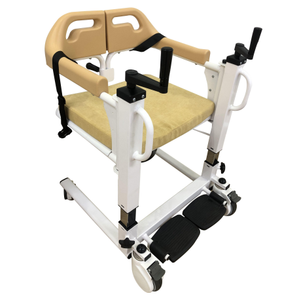
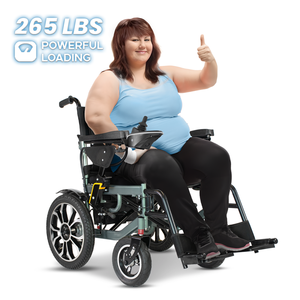
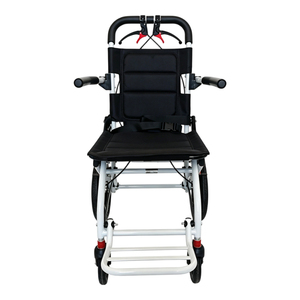
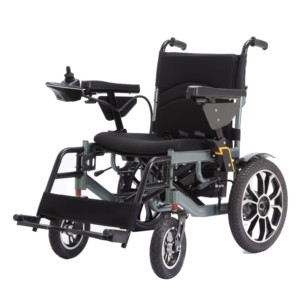
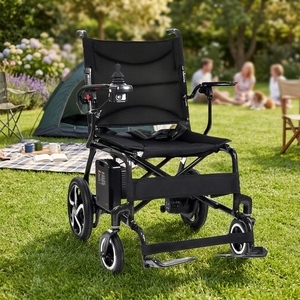
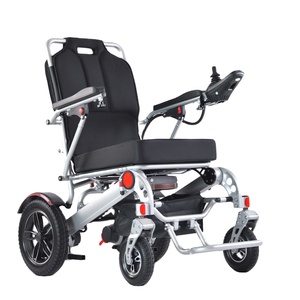
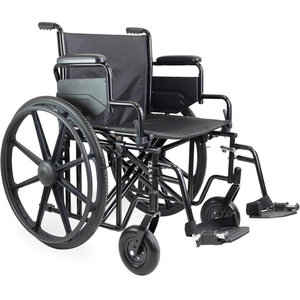
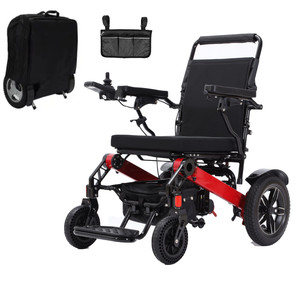
Precision-engineered bariatric mobility devices, electric transfer chairs, and ergonomic underarm crutches compliant with ISO 13485 and CE standards.
Executive Summary: Navigating Azerbaijan's Evolving Mobility Infrastructure
Azerbaijan’s healthcare and medical equipment ecosystem is undergoing a profound structural evolution. Driven by the expansion of compulsory health insurance under the State Agency on Mandatory Health Insurance (İTSV), state-led infrastructure modernization, and increased funding for public rehabilitation initiatives across Baku, Ganja, and the liberated territories of Karabakh, demand for high-caliber medical mobility devices has reached an unprecedented peak. Among ambulatory aid devices, the aluminum underarm crutch and its specialized bariatric variants serve as foundational equipment within post-operative care, trauma recovery, and long-term orthopaedic rehabilitation.
As a leading China-based manufacturer and exporter with over 15 years of OEM/ODM expertise, our manufacturing infrastructure bridges the gap between cost efficiency and European-grade biomechanical engineering. This whitepaper presents a technical, economic, and localized procurement guide tailored specifically for Azerbaijani medical equipment importers, hospital procurement officers, and regional distributors.
1. Engineering & Technical Architecture of Modern Underarm Crutches
The structural integrity of an underarm crutch directly affects patient recovery timelines and prevents secondary nerve damage, such as crutch palsy (radial nerve compression). Standard commercial crutches often compromise on tube wall thickness and material purity, leading to structural fatigue under repeated stress. Our manufacturing process establishes strict metallurgy and ergonomic benchmarks:
6061-T6 Anodized Aluminum Alloy
Extruded seamless aluminum tubing with 1.2mm to 1.5mm wall thickness provides an exceptional strength-to-weight ratio. Anodized surface treatment guards against Caspian Sea salt-air corrosion.
TPR Ergonomic Padding
Underarm cushions and handgrips utilize non-toxic, anti-bacterial Thermoplastic Rubber (TPR). Unlike porous foam, TPR resists sweat absorption, preventing microbial build-up in clinical settings.
Dual-Push Pin Height Adjustment
Push-button telescoping systems allow quick adjustments (1-inch increments) for patient heights ranging from 135 cm to 195 cm, secured with heavy-duty locking nuts to prevent slippage.
Technical Performance Comparison Matrix
| Specification Parameter | Standard Market Grade | China Premium OEM Grade (Our Plant) | Clinical Benefit for Importers |
|---|---|---|---|
| Primary Material | Recycled 6063 Aluminum | Virgin Anodized 6061-T6 Alloy | Eliminates structural brittleness under heavy load |
| Tubing Wall Thickness | 0.8mm – 1.0mm | 1.2mm – 1.5mm (Reinforced Center) | Prevents bending during sudden bodyweight impact |
| Static Weight Capacity | 100 kg – 115 kg | 136 kg (Standard) / 225kg – 300kg (Bariatric) | Supports wider patient demographics with zero failure risk |
| Base Tip Material | Standard Synthetic Rubber | High-Friction Anti-Slip TPR with Steel Washer | Prevents tip puncture and maintains grip on wet marble/snow |
| Regulatory Certifications | Basic Factory Check | ISO 13485:2016, CE Mark, FDA, IEC Export License | Ensures smooth customs clearance at Baku Port / Border |
2. Localized Application Scenarios Across Azerbaijan
To maximize commercial success in Azerbaijan, product specifications must closely match regional environmental conditions, cultural practices, and institutional preferences.
A. Clinical Post-Operative Rehabilitation in Urban Centers (Baku, Sumqayit)
Modern private and state medical institutions in Baku—such as the Central Clinical Hospital, Republican Diagnostic Center, and Baku Health Center—require high-grade mobility equipment that supports infection control protocols. Our underarm crutches feature non-porous TPR components that resist medical-grade chemical disinfectants, allowing seamless sanitization between patient reassignments.
B. Rugged Terrain Resilience in Rural & Mountainous Regions (Quba, Gabala, Karabakh)
In Azerbaijan’s northern and western mountainous regions, patients frequently navigate uneven stone pavements, gravel pathways, and unpaved rural inclines. Standard thin-rubber crutch tips wear down quickly, creating slipping hazards. Our crutches incorporate 45mm wide-base, steel-reinforced TPR feet with deep multi-directional treads. These provide superior traction on wet grass, mud, and icy winter surfaces common in Shahdag and Caucasian high-altitude zones.
C. Integration into State Healthcare Tenders & Karabakh Re-development Initiatives
The ongoing infrastructure restoration across the Karabakh region includes constructing new regional hospitals, trauma units, and outpatient clinics. Tenders issued under Azerbaijani state procurement frameworks demand strict compliance with technical durability metrics, flat-pack logistics efficiency, and full documentation in Russian/English or Azerbaijani localization. Our factory specializes in customized tender packaging, providing serialized barcode labels, user manuals in native languages, and bulk palletization for direct containerized delivery to Baku International Sea Trade Port or rail terminals.
3. Emerging Trends in Azerbaijan’s Medical Device Market
Analyzing search intent and trade data reveals critical market trends shaping buyer decisions across Azerbaijan:
Shift Toward Bariatric Mobility Solutions
Demographic shifts and rising obesity metrics in urban centers have increased demand for high-capacity mobility devices. Importers are expanding orders for 225kg – 300kg rated manual/electric chairs and heavy-duty crutches.
Integration of Hybrid Electric Transfer Equipment
Hospitals are combining standard walking aids with electric transfer chairs and commodes, allowing seamless patient movement between bed, bath, and therapy rooms with minimal caregiver strain.
Preference for Direct OEM Factory Partnerships
Azerbaijani distributors are increasingly moving away from middleman trading agencies, partnering directly with certified Chinese manufacturing facilities to secure customized branding, competitive margins, and stable lead times.
4. Enterprise Strengths & Manufacturing Capabilities
As a established manufacturer of rehabilitation and mobility products, our factory combines advanced production technology with robust quality control protocols: