Featured Rehabilitation & Mobility Portfolio
Certified medical mobility solutions, power wheelchairs, and ergonomic elbow crutches engineered for institutional procurement and bulk export to Indonesia.
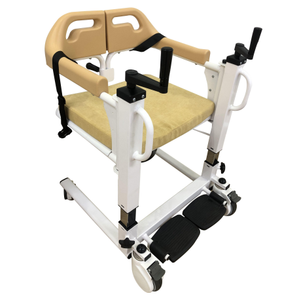
Electric Bathroom Commode Transfer Wheelchair
Heavy-duty motorized transfer wheelchair engineered for clinical hygiene and patient handling.
Inquire Now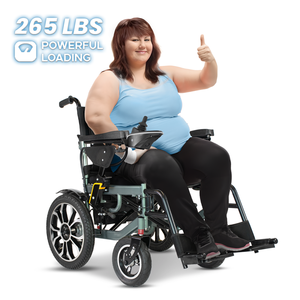
120kg Bariatric Electric Wheelchair Caremoving CMD-05
Class II 58cm wide folding power chair with 1-year global warranty and reinforced chassis.
Inquire Now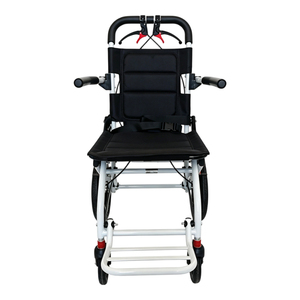
Heavy Duty Manual Bariatric Foldable Wheelchair
Extra wide seating capacity designed for post-surgical bariatric patient rehabilitation.
Inquire Now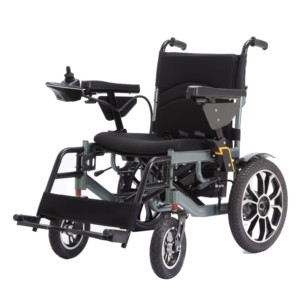
300kg Industrial-Grade Bariatric Electric Wheelchair
Dual 250W motors, high load threshold, maximum stability for clinical transport.
Inquire Now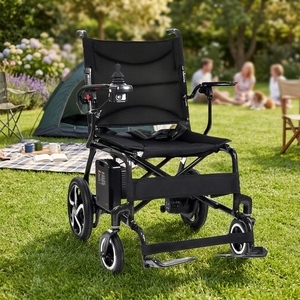
Lightweight Detachable Folding Electric Wheelchair
Compact design for effortless transit and airline transport compliance.
Inquire Now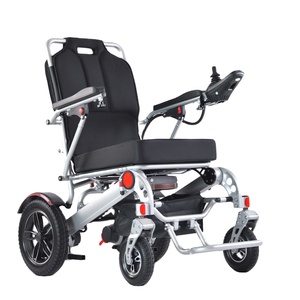
Customized Heavy Duty Power Travel Wheelchair
Custom seat dimensions with high torque performance for outdoor mobility support.
Inquire Now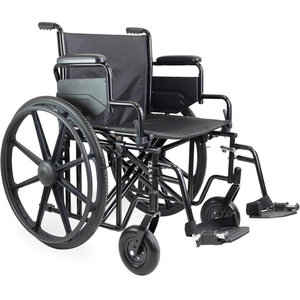
Double Crossbar Steel Frame Heavy Duty Wheelchair
225kg capacity, reinforced structural integrity, 3-year warranty for institutional use.
Inquire Now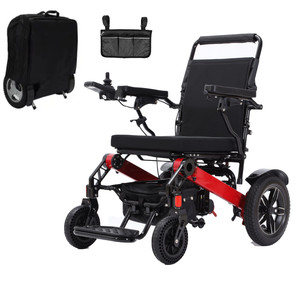
Compact Folding Motorized Bariatric Power Wheelchair
Agile maneuvering, ultra-compact foldability, ideal for hospital corridors and home care.
Inquire NowIndonesia Healthcare Landscape: Navigating Demand for Premium Elbow Crutches
The Republic of Indonesia represents one of Southeast Asia's fastest-growing markets for orthopedic and rehabilitation medical devices. Driven by the expansion of the national health insurance scheme (BPJS Kesehatan), state-backed hospital modernizations, and an increasing awareness of ergonomic patient recovery, the demand for high-grade walking aids—specifically ergonomic elbow crutches (Lofstrand crutches)—has experienced an unprecedented surge.
Historically, traditional underarm (axillary) crutches dominated hospital procurement lists across major provinces like DKI Jakarta, West Java, Central Java, and East Java. However, clinical studies published in global rehabilitation journals demonstrate that prolonged use of underarm crutches frequently leads to brachial plexus neuropathy, axillary artery compression, and upper extremity fatigue. To mitigate these clinical risks, Indonesian orthopedists, physical therapists, and medical procurement officers are rapidly shifting toward advanced fore-arm elbow crutches that optimize weight distribution across the forearm and ulnar structures.
Regulatory & Import Requirements in Indonesia (Kemenkes RI & AKL Certification)
Navigating the import and distribution landscape in Indonesia requires strict adherence to the regulations governed by the Ministry of Health of the Republic of Indonesia (Kemenkes RI). Medical devices entering the Indonesian archipelago are categorized under specific risk classes. Elbow crutches and physical rehabilitation walk-aids are categorized under Class I or Class II low-to-medium risk medical devices.
Foreign exporters and manufacturers must partner with authorized local distributors possessing a valid IPAK (Izin Penyalur Alat Kesehatan) license to secure an AKL (Alat Kesehatan Luar Negeri) registration number. Furthermore, compliance with TKDN (Tingkat Komponen Dalam Negeri) policies is becoming increasingly pivotal for public hospital tenders. By providing fully compliant ISO 13485 test documentation, material safety datasheets (MSDS), and standardized structural load analysis, our manufacturing facility supports Indonesian importers in expediting their Kemenkes AKL clearance process.
Engineering & Material Science: Structural Anatomy of High-Gain Elbow Crutches
Superior rehabilitation outcomes depend directly on the structural engineering and biomechanical fidelity of mobility equipment. Unlike basic commercial crutches that suffer from structural flex, rattle noise, and rapid material degradation under tropical humid climates, our export-grade elbow crutches incorporate advanced material metallurgy and ergonomic human-factor design.
6061-T6 Anodized Aluminum Tube
Constructed with aircraft-grade 6061-T6 aluminum alloy, offering maximum tensile strength with minimal weight (under 550g per unit). Double-anodized surface finish prevents oxidation in high-humidity tropical coastal zones across Sumatra and Kalimantan.
Ergonomic Thermoplastic (TPR) Grips
Molded with hypoallergenic Thermoplastic Rubber (TPR) and anti-microbial additive layers. Designed with anatomical palm support grooves that reduce peak palmar pressure by up to 38% compared to standard PVC grips.
Articulating Forearm Cuffs
Flexible high-density polypropylene (PP) open/closed cuff designs that secure the forearm comfortably without causing vascular pinching during dynamic gait cycles. Allows hands-free movement when opening doors or accessing personal items.
Noise-Dampening Lock Bushing
Engineered with a threaded internal expansion lock mechanism and dual-pin height adjustment. Eliminates the distracting metallic click and structural micro-play typical of low-cost mobility aids.
High-Friction Anti-Slip Rubber Tips
Equipped with heavy-duty vulcanized rubber ferrules containing internal steel washer reinforcement. Delivers superior traction on wet tile floors, polished hospital marble, and unpaved rural roads across Indonesia.
Biomechanical Weight Distribution
Optimized shaft angle shifts the user's center of gravity directly over the crutch foot, minimizing wrist extension strain and shoulder joint fatigue during extended rehabilitation therapy.
Localized Application Scenarios across Indonesian Infrastructure & Healthcare Networks
Deploying mobility products across Indonesia requires a thorough understanding of local geography, clinical settings, and environmental conditions. Our elbow crutches are tailored to meet the rigorous demands of diverse localized operational environments:
1. Tier-1 Public & Private Hospital Networks (Rumah Sakit Umum Daerah & Swasta)
In major medical centers such as RSUP Nasional Dr. Cipto Mangunkusumo (Jakarta), RSUP Dr. Hasan Sadikin (Bandung), and RSUD Dr. Soetomo (Surabaya), orthopedic trauma wards require durable mobility aids for post-operative management of lower limb fractures, knee arthroplasty, and spinal cord injuries. Our elbow crutches provide step-less or incremental height adjustment to accommodate varied patient demographics, while their smooth, non-porous surfaces tolerate frequent hospital-grade chemical disinfection without discoloration.
2. Physical Therapy & Community Rehabilitation Clinics (Klinik Fisioterapi & Puskesmas)
In sub-district Puskesmas facilities and private physiotherapy practices, versatile equipment is essential. The open cuff elbow crutch variants allow physiotherapists to guide patients through gait retraining, neurological rehabilitation, and balance exercises with maximum patient autonomy.
3. Island Infrastructure & Humid Tropical Climate Adaptation
Indonesia's maritime climate presents a severe challenge for lower-quality metal goods due to high ambient humidity and salt corrosion in coastal cities such as Semarang, Makassar, and Medan. Our double-anodized aluminum tubes and stainless steel adjustment spring-pins are specifically engineered to withstand long-term environmental exposure without rusting or structural binding.
Comparative Analysis: Ergonomic Elbow Crutches vs. Axillary & Standard Mobility Aids
To assist Indonesian procurement officers and healthcare buyers in evaluating product efficiency, the matrix below outlines key technical, clinical, and operational metrics:
| Evaluation Parameter | Export-Grade Ergonomic Elbow Crutch | Traditional Axillary (Underarm) Crutch | Standard Folding Walker |
|---|---|---|---|
| Primary Weight Distribution | Forearm & Upper Arm Musculature (30% reduction in wrist strain) | Axillary Pad / Underarm & Pectoral Girdle | Bilateral Hands & Wrists |
| Neurological Safety Profile | Zero risk of axillary nerve compression or brachial plexus injury | High risk of radial nerve palsy with prolonged usage | Negligible neurological risk |
| Stair & Terrain Agility | Superior (Maintains full footplate visibility & mobility) | Moderate (Cumbersome on narrow Indonesian stairways) | Poor (Requires flat surface, unsuitable for stairs) |
| Frame Metallurgy & Coating | 6061-T6 Anodized Aluminum Alloy (Corrosion Resistant) | Standard Mill-Finish Aluminum or Wood | Powder-Coated Mild Steel or Basic Aluminum |
| Patient Autonomy / Hand Freedom | High (Articulating cuff retains crutch on arm when gripping items) | Low (Crutch drops if user opens hand) | Zero (Both hands required continuously) |
| Unit Weight per Pair | 1.0 kg – 1.1 kg (Ultra-Lightweight) | 1.8 kg – 2.4 kg | 2.5 kg – 4.0 kg |
| Kemenkes AKL Compliance Readiness | Full CE, ISO 13485, FDA Technical Dossier Included | Varies by regional supplier | Standard documentation |
Indonesia Rehabilitation Sector: Strategic Market Trends (2025–2030)
Understanding the macroeconomic growth drivers within Indonesia’s healthcare ecosystem provides actionable insights for medical equipment distributors:
1. Demographics & Post-Traumatic Care Expansion: Indonesia's population of over 275 million is experiencing a demographic transition. An aging demographic alongside high volumes of road traffic rehabilitation cases has expanded the total addressable market for long-term mobility hardware by an estimated 8.4% CAGR.
2. Growth of Private Hospital Chains: Leading healthcare conglomerates such as Siloam Hospitals, Mitra Keluarga, Mayapada Healthcare, and Hermina are rapidly expanding their bed capacities outside Java. These private networks favor high-aesthetic, ergonomically superior elbow crutches over traditional wooden or basic metal crutches to elevate patient satisfaction scores.
3. E-Katalog Procurement Shift: Government procurement via LKPP (Lembaga Kebijakan Pengadaan Barang/Jasa Pemerintah) and the online E-Katalog system has revolutionized public healthcare purchasing. Foreign manufacturers that provide transparent wholesale pricing, high volume capacity, and localized technical support are ideally positioned to secure recurring government supply contracts.
Manufacturer & Exporter Credential: Why Global Distributors Partner With Us
With over 15 years of dedicated specialization in medical mobility manufacturing, our enterprise stands as a trusted B2B OEM/ODM partner for healthcare distributors across Southeast Asia, the Middle East, and Latin America. Our facility operates under strict ISO 13485 quality management systems, ensuring that every shipment of elbow crutches, electric transfer wheelchairs, and bariatric mobility aids meets global safety standards.
Strict Batch Quality Control
100% dynamic load testing up to 150% rated capacity. Cyclic fatigue testing ensures structural integrity for over 500,000 gait steps per unit.
Custom OEM/ODM Branding
Custom laser-etched branding, localized packaging in Bahasa Indonesia, and tailored color anodization options for regional distributor exclusivity.
Efficient Logistics to Indonesian Ports
Streamlined shipping routes directly to Tanjung Priok (Jakarta), Tanjung Perak (Surabaya), and Belawan (Medan) with complete FOB/CIF documentation support.
Frequently Asked Questions (FAQ) for Indonesian Importers & Healthcare Buyers
Partner with a Leading Global Mobility Exporter
Expand your medical device portfolio in Indonesia with factory-direct pricing, certified quality, and dedicated B2B logistics support.