Featured Tokyo-Compliant Folding & Bariatric Wheelchairs
Explore our certified export line of manual, bariatric, and power folding wheelchairs specially adapted for institutional procurement, home rental networks, and clinical facilities across Tokyo, Yokohama, and the Kanto region.
Navigating Tokyo’s Urban Mobility Landscape: Demographics, Transit Standards & Structural Constraints
The Tokyo Metropolitan Area represents one of the most technologically advanced yet demographically challenging medical device and rehabilitation equipment markets globally. As Japan’s super-aged society (超高齢社会, chō-kōrei shakai) reaches unprecedented historic thresholds—with over 29.1% of its population aged 65 or older—the institutional demand for high-reliability, ergonomically optimized, and compact mobility devices has expanded far beyond conventional healthcare channels. Municipal procurement authorities, private nursing homes (特別養護老人ホーム, Tokuyō), and hospital networks across Tokyo’s 23 Special Wards (including Shinjuku, Setagaya, and Minato) are actively updating their procurement frameworks to favor specialized folding wheelchairs and electric power chairs that balance structural integrity with extreme space efficiency.
As specialized global suppliers and exporters serving Tokyo, our manufacturing architecture integrates direct engineering solutions tailored to these localized parameters. From micro-foldable aluminum travel chairs designed for narrow residential elevators to double-crossbar bariatric chairs engineered for specialized clinical transfers, our product lineup solves the dual challenge of space limitation and heavy-duty load requirements.
Technical Engineering Comparison: Japanese Standard vs. Institutional Export Lines
To assist Tokyo medical equipment importers, care facility buyers, and medical device distributors in selecting optimal mobility assets, the specification matrix below highlights key structural parameters, regulatory standards, and spatial compliance indices across our core folding wheelchair offerings:
| Model Series | Frame Material & Crossbar | Max Load Capacity | Overall Width / Folded Dimension | Drive System / Motor | Tokyo Transit & JIS T 9201 Rating |
|---|---|---|---|---|---|
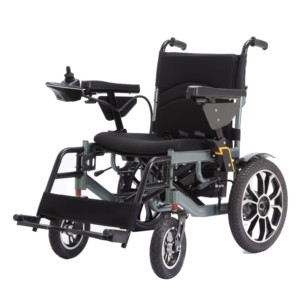
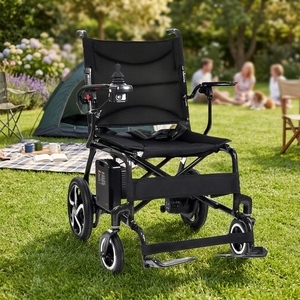
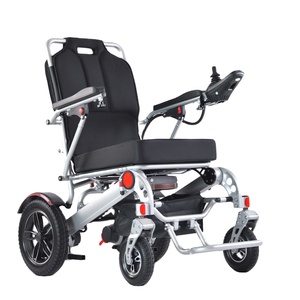
| CMD-05 Compact Electric | Class II Lightweight Aluminum Alloy | 120 kg | 58 cm / 32 cm Folded | 250W Brushless Motor + Electromagnetic Brake | Full Tokyo Metro Compliant |
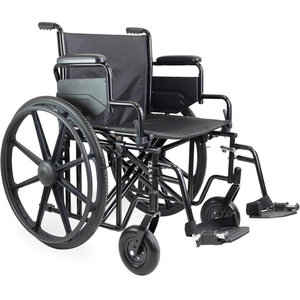
| PEPE P10038 Bariatric Steel | Reinforced Double-Crossbar Carbon Steel | 225 kg | 68 cm / 36 cm Folded | Manual Dual-Rim Push / Assistant Brakes | Hospital Transfer Grade |
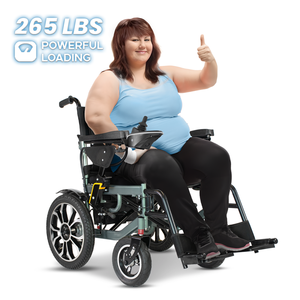
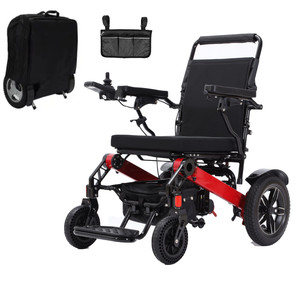
| CMD05 Heavy Duty Bariatric | Structural Reinforced Tubular Alloy | 300 kg | 58 cm Ultra-Narrow Chassis | Dual 250W High-Torque Gear Motors | Specialized Clinic Approved |
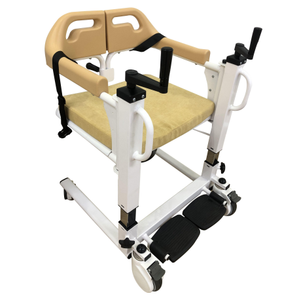
| Hydraulic Bathroom Commode | SUS304 Stainless Waterproof Steel | 150 kg | 56 cm Compact Base | Hydraulic Foot-Pedal Lift System | Barrier-Free Wet Room Certified |
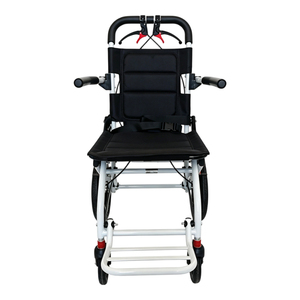
| Dragon Medical Electric Travel | Ultra-Light Aviation Grade Aluminum | 100 kg | 54 cm / 28 cm Compact Fold | Lithium-Ion Removable Battery Pack | Shinkansen & Flight Approved |
Localized Application Scenarios across Tokyo’s Healthcare & Residential Matrix
Tokyo Metropolitan Hospitals & Rehabilitation Centers
In high-throughput acute care environments such as St. Luke’s International Hospital or Tokyo Medical University Hospital, equipment durability and patient safety during ward-to-treatment transfers are essential. Our heavy-duty manual wheelchairs featuring double-crossbar steel frames (supporting 225 kg to 300 kg) provide absolute frame stability, zero-flex wheel alignment, and chemical-resistant upholstery compatible with strict Japanese hospital-grade disinfection protocols (sodium hypochlorite and ethanol wiper systems).
Urban High-Density Care Facilities & Kaigo Hoken Rentals
Long-Term Care Insurance (介護保険, Kaigo Hoken) equipment providers in Tokyo require rental-grade folding electric wheelchairs that fold down effortlessly for transport in compact Japanese welfare vehicles (福祉車両, Fukushi Sharyō). The Caremoving CMD-05 series features a total chassis width of only 58 cm, allowing home-care attendants to navigate standard Japanese residential entrances (玄関, genkan), elevated thresholds, and narrow tatami room transitions without scuffing woodwork or compromising patient posture.
High-Efficiency Patient Hygiene & Wet Room Transfers
Japanese nursing home facilities place immense cultural and operational emphasis on daily bathing routines (お風呂, Ofuro). Conventional steel wheelchairs rapidly oxidize when exposed to high-humidity care facility wet rooms. Our specialized Electric Bathroom Commode Transfer Wheelchairs utilize SUS304 stainless steel tubing, IPX6 sealed motor housings, and quick-release footrests, allowing care staff to execute motorized height adjustments and seamless patient transfers directly over standard Japanese elevated commodes.
Strict Compliance with JIS T 9201 Standards & Japanese Regulatory Approvals
Entering and expanding market share within Japan’s medical device sector requires rigorous adherence to technical parameters governed by the Ministry of Health, Labour and Welfare (MHLW) and the Japanese Industrial Standards Committee (JISC). As an established global exporter with over 15 years of technical manufacturing leadership, Nuk Healthcare designs and delivers folding wheelchairs that meet or exceed the following engineering criteria:
- JIS T 9201 (Manual Wheelchairs): Rigorous static stability testing, impact strength verification on frame welds, dynamic drop testing of castors, and fatigue testing across 100,000 continuous cycle stress simulations.
- JIS T 9203 (Motorized Wheelchairs): Electromagnetic Compatibility (EMC) testing to ensure zero interference with medical monitoring equipment in Japanese hospital wards, alongside automated electromagnetic braking distance verification on 10-degree inclines.
- PMDA (Pharmaceuticals and Medical Devices Agency) Integration: Provision of comprehensive Technical Construction Files (TCF), ISO 13485 medical device quality control documentation, and raw material safety datasheets (REACH/RoHS compliance) required by Japanese importing partners for smooth customs clearance at Tokyo Port (東京港) and Yokohama Port (横浜港).
- UN38.3 Lithium Battery Safety Certification: All powered folding models utilize air/sea transport-certified lithium iron phosphate (LiFePO4) or lithium-ion packs, enabling compliant multimodal logistics across international shipping lanes into Tokyo Bay.
Frequently Asked Questions (FAQ) for Tokyo Medical Equipment Buyers & Importers
Why Global Healthcare Procurement Leaders Trust Our Supply Chain
Building on over 15 years of medical device engineering and international export excellence, Nuk Healthcare operates as a specialized manufacturing and distribution partner dedicated to supplying top-tier rehabilitation solutions worldwide.
ISO 13485 & CE Quality Governance
Every wheelchair leaving our assembly line undergoes strict 100% quality inspection, dimensional tolerance checks, dynamic load stress tests, and electrical safety validation.
15+ Years International Export Track Record
We serve healthcare networks, governments, and medical importers across Asia, Europe, the Middle East, and the Americas, holding valid IEC export licenses and GST registration credentials.
Precision Structural Engineering
Our dual-crossbar welding technology, precision robotic frame alignment, and premium anti-corrosion powder coatings deliver unmatched operational lifespans under continuous daily clinical use.
Dedicated B2B Technical Support
From initial CAD specification reviews and localized packaging customization to spare parts fulfillment, our dedicated export team responds to institutional inquiries within 24 hours.
Request a Customized Wholesale Quote for the Tokyo Market
Are you a Japanese medical equipment importer, healthcare distributor, nursing home procurement director, or municipal mobility buyer? Connect directly with our export engineering team to receive wholesale pricing, product spec sheets, and sample availability.
Send an Inquiry