Factory-Direct Pediatric & Mobility Equipment Portfolio
Certified medical mobility solutions customized for institutional distribution, clinical rehabilitation, and home-care adaptability.
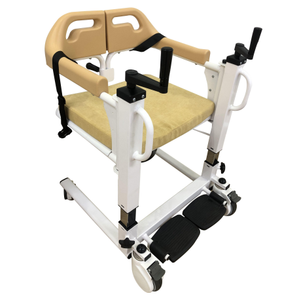
Hot Sale Factory Manufacturer Electric Bathroom Commode Transfer Wheelchair From Dragon Medical
Inquire Now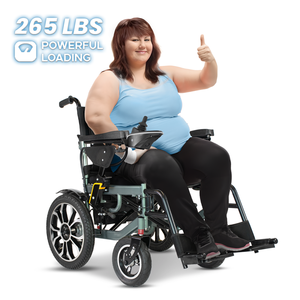
120kg Bariatric Electric Wheelchair Caremoving CMD-05 Folding Class II 58cm Wide 1 Year Warranty
Inquire Now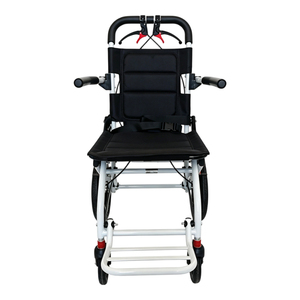
Heavy Duty Manual Wheelchair Foldable Bariatric Mobility Chair Wide Seat High Weight Capacity for Overweight Disabled Adults
Inquire Now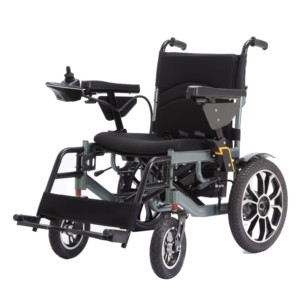
300kg Bariatric Electric Wheelchair CareMoving CMD05 250W Motor 58cm Wide Electric Wheelchair Max Load 120kg
Inquire Now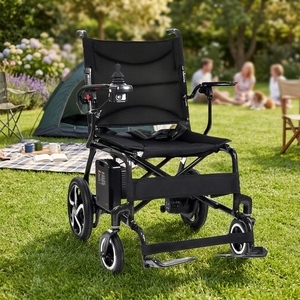
Electric Wheelchair Cheap Price Bariatric Wheel Chair Detachable Foldable Walk Electric Folding Wheelchair
Inquire Now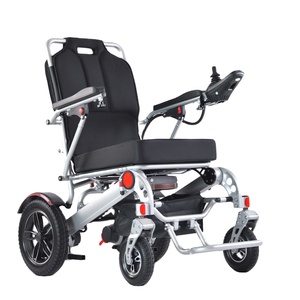
Big Size Customized Bariatric Heavy Duty Wheelchair Electric Folding Lightweight Power Travel Wheelchair
Inquire Now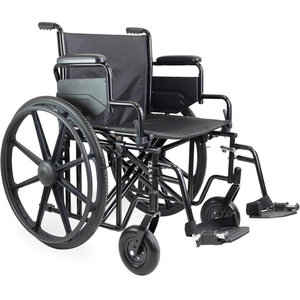
Heavy Duty Wheelchair (225kg) Wide Bariatric Folding Double Crossbar Steel Frame 3-Year Warranty PEPE Mobility P10038 Rotating
Inquire Now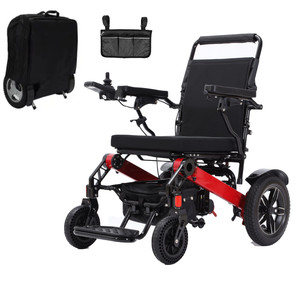
China Bariatric Power Wheelchair Scooters Motorized Wheel Chairs Compact Folding Electric Wheelchair
Inquire NowExecutive Overview: Pediatric Mobility Manufacturing Infrastructure for Nagoya & Aichi Prefecture
Nagoya, as the industrial heartland of Japan's Chubu region and a focal point for pediatric medical innovation, demands an exceptionally elevated standard for medical equipment procurement. Institutions such as the Aichi Children's Health and Medical Center, Nagoya University Hospital Pediatric Department, and regional special-needs educational facilities require highly customized pediatric wheelchairs that seamlessly combine dynamic biomechanical support with rigid structural safety. Sourcing directly from certified OEM/ODM manufacturing facilities offers medical equipment distributors, hospital procurement boards, and welfare equipment rental networks in Nagoya a distinct strategic advantage: precision-engineered custom mobility devices produced at scalable factory costs without sacrificing compliance with Japanese domestic standards.
Unlike standard adult wheelchairs reduced in scale, authentic pediatric wheelchairs require dedicated research and development centered on childhood developmental kinesiology, progressive skeletal alignment, and growth-adaptable frame geometry. Children diagnosed with Cerebral Palsy (CP), Spina Bifida, Muscular Dystrophy, or traumatic spinal injuries present unique anatomical requirements. Our manufacturing facility specializes in engineering modular, growable pediatric wheelchairs and power mobility units equipped with multi-axis tilt-in-space mechanisms, adjustable center-of-gravity (CoG) settings, and specialized dynamic seating shells.
Modular Skeletal Growth Systems
Patented telescoping aluminum alloy frames permit micro-adjustments in seat depth, leg-rest lengths, and backrest elevation to accommodate rapid growth spurts without replacing primary structural components.
Nagoya Urban Accessibility Engineering
Ultra-compact turning radii (< 750mm) and lightweight folding chassis designed explicitly to navigate Nagoya Municipal Subway cars, Meitetsu line platforms, and narrow suburban Japanese doorways.
JIS T 9201 & PMDA Alignment
Rigid structural testing for static stability, impact resistance, and flame-retardant non-toxic upholstery compliant with Japanese Welfare Device Safety Regulations and Ministry of Health (MHLW) standards.
Technical Engineering Matrix: Pediatric Mobility Classes & Factory Capabilities
Selecting the optimal pediatric mobility platform requires matching the user’s clinical prognosis with exact mechanical specifications. As a specialized OEM manufacturer, our production facility offers multiple configuration matrices engineered to satisfy both clinical requirements and commercial procurement budgets for Nagoya healthcare importers.
| Mobility Class | Frame Material & Weight | Growth Adjustability | Biomechanic Features | Primary Nagoya Clinical Application |
|---|---|---|---|---|
| Pediatric Tilt-in-Space Manual | T6 6061 Aluminum Alloy (14.5 kg) | Seat Depth: 28–38cm Seat Width: 30–40cm |
0° to 45° dynamic recline, pelvic stabilizer, height-adjustable push handles | Rehabilitation Wards, Severe CP Management, Post-Surgical Support |
| Compact Pediatric Electric Power Chair | Magnesium-Aluminum Composite (22 kg exc. battery) | Modular footplate elevation & armrest depth tracking | 360° Programmable Joystick, PG Drives controller, anti-tip wheels | Special Education Schools, Daily Urban Transit (Subway & Bus) |
| Hygiene & Transfer Pediatric Commode | SUS 304 Stainless Steel / Polyurethane (11 kg) | 4-Stage hydraulic seat elevation adjustment | Quick-release waterproof bucket, lockable caster system, splash guard | Home Care, Specialized Bathing Facilities, Clinical Ward Hygiene |
| Pediatric Active-Rigid Sports Chair | Ultra-Lightweight Carbon Fiber (7.8 kg) | Center of Gravity (CoG) & axle position tuning | Ergonomic camber angles (4°–8°), low-resistance pneumatic tires | Active Youth Mobility, Pediatric Sports Therapy, Independent Self-Propulsion |
Localized Application Scenarios: Adapting Pediatric Wheelchairs to Nagoya's Built Environment
Engineering wheelchairs for the Japanese domestic market demands an acute understanding of local infrastructure, domestic architectural limits, and regional climate conditions in Aichi Prefecture. Standard Western wheelchair designs frequently encounter spatial friction when introduced to Nagoya's urban landscape.
1. Navigating Nagoya's Public Transportation & Barrier-Free Infrastructure
Nagoya operates an expansive public transport network, including the Higashiyama, Meijo, and Tsurumai subway lines, alongside the Meitetsu Network and Yotorito Line (Guided Bus). Transporting a pediatric patient across these transit nodes requires wheelchairs with tight turning radiuses and robust suspension. Our factory-engineered compact power chairs feature low-clearance wheelbases and electronic regenerative braking systems, enabling smooth ingress and egress over subway platform gaps (such as those at Nagoya Station or Sakae Station) without risk of caster trapping.
2. Spatial Compatibility with Japanese Domestic Living & Schooling
Residential housing in suburban Nagoya areas (e.g., Chikusa-ku, Showa-ku, Kasugai, or Ichinomiya) often incorporates compact hallways, elevated genkan (entryways), and narrow doorway clearances ranging from 650mm to 750mm. Furthermore, traditional Japanese pediatric school desks require wheelchairs with swing-away or height-adjustable desk-length armrests. Our pediatric series incorporates swing-away leg rests and quick-release rear wheels, allowing the wheelchair footprint to be reduced instantly for storage or tight indoor maneuvering.
3. Specialized Bathing & Hygiene Care in Compact Unit Baths
Japanese Unit Bath (ユニットバス) standards present unique spatial constraints during patient transfer and hygiene routines. Utilizing specialized products such as our Hot Sale Factory Manufacturer Electric Bathroom Commode Transfer Wheelchair, caregivers at home or in specialized care facilities can hydraulically elevate pediatric users to standard tub heights. Manufactured with corrosion-resistant SUS 304 stainless steel tubing and sealed waterproof actuators, these chairs withstand continuous exposure to high humidity and water, preventing rust while ensuring dignified hygiene care.
Regulatory Compliance & Welfare Reimbursement Framework in Aichi Prefecture
For medical device importers, B2B procurement agencies, and healthcare distributors in Nagoya, regulatory compliance is paramount. Introducing medical mobility equipment into Japan requires strict alignment with domestic safety protocols overseen by the Pharmaceuticals and Medical Devices Agency (PMDA) and the Ministry of Health, Labour and Welfare (MHLW).
Our manufacturing plant operates under a fully certified ISO 13485 Quality Management System specifically tailored to medical devices. Every batch of pediatric and bariatric wheelchairs dispatched to Nagoya undergoes comprehensive factory testing, including:
- Double-Drum Fatigue Testing: Simulating 200,000 continuous cycles of rough surface transit to ensure frame and weld integrity.
- Static & Dynamic Slope Stability: Guaranteeing tip resistance on steep inclines up to 12° (matching Nagoya’s hilly eastern suburbs like Moriyama-ku).
- Biocompatibility & Flame Retardancy: Utilizing non-toxic, anti-microbial, zero-VOC cushions compliant with ISO 7176-16 testing.
Nagoya B2B Buyer FAQ: Factory Direct Sourcing & Import Logistics
Corporate Manufacturing Supremacy & OEM Partnership Value
With over 15 years of continuous research, development, and international manufacturing excellence, our organization stands as a trusted global pillar in rehabilitation equipment production. We manage an extensive product catalog spanning 500+ SKUs—ranging from ultra-lightweight pediatric posture chairs and hydraulic patient transfer hoists to heavy-duty 300kg bariatric electric wheelchairs.
Our state-of-the-art manufacturing plant integrates robotic CNC tube bending, automated TIG welding cells, eco-friendly powder coating lines, and rigorous electronic testing bays. We serve international medical equipment brands, regional distributors, and clinical procurement boards across Asia, Europe, and the Middle East. By establishing a direct OEM partnership for the Nagoya market, your organization gains access to certified production scalability, custom engineering support, and an unwavering commitment to pediatric mobility advancement.
Initiate Your Direct Factory Procurement Strategy for Nagoya
Connect with our senior engineering and export consultation team today to request bulk pricing catalogues, technical compliance documentation, or customized OEM sample evaluation units.