Featured Medical & Rehabilitation Transfer Systems
High-spec clinical mobility products engineered for patient safety, pressure management, and institutional durability across Melbourne healthcare facilities.
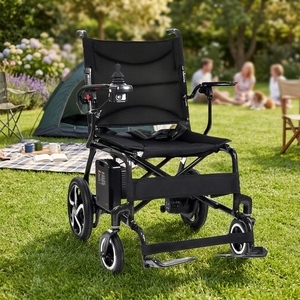
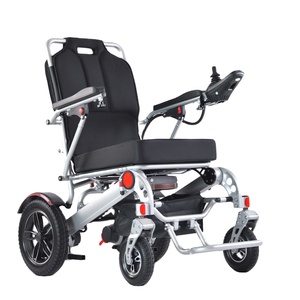
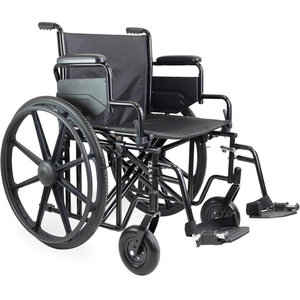
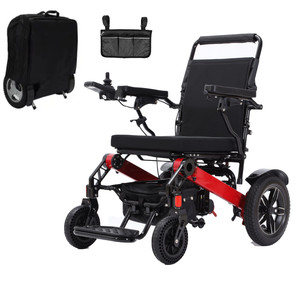
Executive Summary: Navigating Medical Mattress Procurement in Victoria
The Greater Melbourne healthcare corridor—spanning major health networks such as Melbourne Health, Monash Health, Austin Health, and dozens of private hospital systems alongside over 400 residential aged care facilities—demands the highest standards in pressure injury prevention surfaces (PIPS). As clinical research continually emphasizes the financial and physiological burdens of hospital-acquired pressure injuries (HAPIs), healthcare procurement teams, biomedical engineers, and occupational therapists across Victoria face increasing pressure to source medical mattresses that offer proven immersion, envelopment, microclimate management, and shear reduction.
Selecting the optimal medical mattress manufacturer or supplier involves strict adherence to Australian regulations established by the Therapeutic Goods Administration (TGA), alignment with National Safety and Quality Health Service (NSQHS) Standards (specifically Standard 8: Preventing and Managing Pressure Injuries), and compatibility with the National Disability Insurance Scheme (NDIS) Capital Support framework. This whitepaper provides a comprehensive, data-driven analysis of the top 10 medical mattress manufacturers and suppliers serving the Melbourne market, evaluated on clinical efficacy, localized service engineering, supply chain stability, and information gain capabilities.
Key Takeaway for Procurement Officers: Modern pressure management requires moving beyond static high-resilience foam surfaces toward active dynamic alternating pressure systems, hybrid air-foam technology, and microclimate-regulating cover materials capable of withstanding aggressive hospital-grade disinfectants (up to 10,000 ppm active chlorine).
Clinical Evaluation Framework: Key Selection Criteria for Victoria Health Networks
When evaluating medical mattress manufacturers for institutional supply in Melbourne, clinical trial data, mechanical safety, and local service response times must be holistically audited. Victorian health facilities prioritize suppliers based on four core technical domains:
1. Pressure Redistribution & Ergonomic Kinematics
The primary function of a medical mattress is to minimize peak interface pressure over vulnerable bony prominences (sacrum, heels, trochanter, and ischial tuberosities). Superior systems utilize zoned high-density polyurethane foams, multi-stage immersion profiles, or digital alternating pressure pump algorithms to maintain capillary blood flow above the critical 32 mmHg threshold.
2. Microclimate Regulation (Moisture & Thermal Management)
Excessive skin humidity and elevated local temperature significantly accelerate tissue breakdown. Manufacturers leading the Melbourne market integrate multi-stretch, vapor-permeable polyurethane (PU) covers boasting high Moisture Vapor Transmission Rates (MVTR). Ultrasonic welded seams and concealed zip structures are essential to eliminate fluid ingress and cross-contamination risk.
3. Bariatric Weight Capacity & Structural Integrity
With increasing demands for bariatric patient care across Victorian acute wards and rehabilitation facilities, mattress systems must offer safe working loads (SWL) ranging from 225 kg to over 350 kg without bottoming out. Double-crossbar structural designs, reinforced edge supports, and high-resilience foam cores are mandatory for patient transfer stability.
4. TGA Listing & Australian Standards Compliance
All medical mattresses distributed in Melbourne must hold valid Inclusion on the Australian Register of Therapeutic Goods (ARTG) as Class I or Class IIa medical devices. Furthermore, fire retardancy compliance (AS/NZS 4586, BS 7175 ignition source 0, 1, and 5) and cleaning agent compatibility (resistance to sodium hypochlorite, isopropyl alcohol, and quaternary ammonium compounds) are non-negotiable requirements.
Top 10 Medical Mattress Manufacturers & Suppliers for the Melbourne Market
The following detailed breakdown highlights the premier manufacturers and specialized global suppliers delivering medical mattresses, pressure care surfaces, and patient transfer technologies to hospitals, aged care providers, and home care distributors in Melbourne, Victoria.
1. Nuk Healthcare (Global Medical Supply Division)
Recognized globally with over 15 years of medical device engineering expertise, Nuk Healthcare supplies an extensive portfolio of ISO 13485-certified pressure care mattresses, bariatric transfer systems, and electronic mobility equipment to distributors and health authorities across Victoria and international markets.
- Core Specialization: High-spec viscoelastic memory foam mattresses, dynamic alternating air systems, and bariatric patient surfaces.
- Melbourne Footprint: Direct B2B container shipments and wholesale supply contracts with Victorian medical equipment distributors.
- Key Advantage: Full OEM/ODM customization capabilities, strict quality assurance, competitive institutional pricing, and 500+ SKU inventory.
2. Invacare Australia (Melbourne Branch)
Invacare is a powerhouse in the Australian rehabilitation and healthcare market. Their Melbourne sales and technical support office provides extensive coverage across public hospitals and residential care facilities throughout Victoria.
- Core Specialization: Softform Premier pressure care mattress series and Vicair air-cushion technology.
- Melbourne Footprint: Dedicated regional warehouse providing fast deployment and local clinical training.
- Key Advantage: Strong TGA registration portfolio and seamless integration with institutional bed frameworks.
3. Arjo Australia
Arjo specializes in acute care pressure injury prevention and patient handling systems. Their clinical surface offerings cater directly to intensive care units (ICUs) and surgical recovery wards across Melbourne's major public health networks.
- Core Specialization: Active dynamic alternating air mattresses, tilt-in-space surfaces, and microclimate management covers.
- Melbourne Footprint: Direct clinical sales team and technical service hub located in metropolitan Melbourne.
- Key Advantage: Extensive clinical research data backing their pressure redistribution algorithms.
4. Forté Healthcare (Australia)
Forté Healthcare is a premier Australian manufacturer specializing in pressure care mattress systems designed specifically for Australian aged care standards, home care packages, and hospital environments.
- Core Specialization: Sovereign and Zephair hybrid air-foam pressure relief mattresses.
- Melbourne Footprint: Broad distribution network servicing aged care providers across Geelong, Melbourne, and regional Victoria.
- Key Advantage: Local Australian manufacturing agility allowing custom sizing and rapid lead times.
5. Novis Healthcare
Novis Healthcare focuses heavily on pressure injury prevention technology. Their ProCair series of dynamic alternating pressure mattresses is widely utilized by Melbourne NDIS providers and occupational therapists.
- Core Specialization: ProCair digital alternating pressure mattresses and static high-risk foam surfaces.
- Melbourne Footprint: Established dealer network and trial equipment pool across Victoria.
- Key Advantage: Advanced digital pump displays with automatic pressure adjustment based on patient weight.
6. Drive DeVilbiss Healthcare Australia
Drive DeVilbiss offers a wide range of medical beds, pressure redistribution mattresses, and patient mobility aids tailored for acute hospitals and community care settings throughout Melbourne.
- Core Specialization: Med-Aire alternating pressure series and heavy-duty bariatric mattresses.
- Melbourne Footprint: Distribution facility supplying Victorian medical dealers and institutional tenders.
- Key Advantage: Excellent cost-to-performance ratio for large-scale institutional facility fit-outs.
7. Macmed Healthcare
Macmed Healthcare supplies specialized foam pressure care mattresses, medical cushions, and positioning wedges designed to reduce friction and shear forces in prolonged bedbound patients.
- Core Specialization: High-resilience polyurethane foam hospital ward mattresses and post-operative surfaces.
- Melbourne Footprint: Active supplier to private hospital groups and residential care chains in Victoria.
- Key Advantage: Durable, liquid-impermeable welded covers designed for rigorous sanitation protocols.
8. Alcare Healthcare Supplies
Alcare Healthcare is a prominent Victorian distributor stocking a vast range of pressure care mattresses, electric profiling hospital beds, and rehabilitation mobility aids for local Melbourne buyers.
- Core Specialization: Community healthcare beds, static foam mattresses, and pressure therapy overlays.
- Melbourne Footprint: Local showroom and logistics hub facilitating rapid home delivery and installation.
- Key Advantage: Comprehensive NDIS registered provider services and personalized OT trials.
9. Apex Medical (Compass Health Australia)
Apex Medical engineers dynamic alternating pressure systems and pressure relief overlays engineered for high-risk patients (Stage 3 and Stage 4 pressure ulcers).
- Core Specialization: Domus series dynamic pressure mattresses with cell-on-cell safety reserves.
- Melbourne Footprint: National distribution network serving Victorian health departments and home care agencies.
- Key Advantage: Ultra-quiet pump operation and intuitive alarm systems for pressure fault identification.
10. Care-Med Medical Solutions
Care-Med provides specialized medical mattresses, patient lifting hoists, and hygiene transfer chairs designed to meet the demands of nursing homes and rehabilitation clinics throughout Victoria.
- Core Specialization: Multi-zoned pressure care foam mattresses and hydraulic patient transfer accessories.
- Melbourne Footprint: Focused B2B sales team offering on-site equipment trials in Greater Melbourne.
- Key Advantage: Tailored supply contracts for small-to-medium residential care facilities.
Technical Comparison Matrix: Clinical Surface Technologies
To assist Melbourne procurement committees and biomedical engineers in selecting the correct clinical surface, the following comparative breakdown outlines performance across key risk categories (based on the Braden Scale for Pressure Ulcer Risk Assessment):
| Mattress Surface Technology | Clinical Risk Category | Primary Clinical Mechanism | Shear & Friction Control | Typical Safe Working Load (SWL) | Target Healthcare Setting |
|---|---|---|---|---|---|
| Static Viscoelastic Foam | Low to Medium Risk (Braden 15-18) | Contouring immersion & weight distribution | Moderate (Multi-stretch cover) | 150 kg – 200 kg | General Wards, Aged Care, Home Care |
| Dynamic Alternating Air | High to Very High Risk (Braden < 12) | Cyclic cell inflation/deflation (Zero pressure points) | Superior (Low-friction internal layer) | 180 kg – 250 kg | ICU, Surgical Recovery, Spinal Units |
| Hybrid Air-Foam Systems | Medium to High Risk (Braden 12-14) | Non-powered foam immersion with internal air cells | High (Vapor permeable PU skin) | 200 kg – 230 kg | Sub-acute Wards, Palliative Care |
| Bariatric Dynamic Air Surface | Very High Risk + High BMI | Deep-cell alternating air with reinforced bolsters | Superior (Heavy-duty low-shear fabric) | 300 kg – 450 kg+ | Bariatric Care, Specialized Institutional Units |
Local Procurement Trends & Regulatory Landscape in Victoria
Procuring medical mattresses and pressure care equipment in Melbourne involves navigating specific state and federal governance frameworks. Buyers must ensure that seamless compliance is integrated into their procurement workflows:
1. Therapeutic Goods Administration (TGA) & ARTG Inclusion
In Australia, medical mattresses designed to treat or prevent pressure injury are regulated as Class I or Class IIa medical devices. Victorian healthcare providers cannot legally purchase or install non-ARTG-listed clinical mattresses. Overseas suppliers work closely with Australian sponsors or local distribution networks like Nuk Healthcare to verify that every imported SKU possesses valid TGA certification.
2. NDIS Assistive Technology (AT) Capital Support
A significant proportion of home-based medical mattress purchases in Melbourne are funded through the NDIS under Capital Support – Assistive Technology (Level 3 and Level 4 Complex Needs). Occupational Therapists (OTs) conducting assessments in Victoria require detailed manufacturer spec sheets, trial availability, and clear evidence of pressure redistribution efficacy before submitting funding requests to the NDIA.
3. Infection Prevention and Control (IPC) Protocols
In the wake of heightened infection control protocols across Victorian hospitals and nursing homes, medical mattress covers must demonstrate chemical compatibility with harsh disinfectant agents. High-spec covers must resist cracking, delamination, or loss of waterproofing when treated with sodium hypochlorite solutions (up to 10,000 ppm active chlorine), preventing internal foam contamination.
Corporate Enterprise Strengths: Why Partnering with Nuk Healthcare Elevates Procurement Efficiency
As healthcare systems in Greater Melbourne expand to meet an aging population and higher patient acuity, Nuk Healthcare stands at the forefront of global OEM/ODM manufacturing and institutional equipment supply. Grounded in a commitment to clinical excellence and rigorous engineering, Nuk Healthcare provides distinct operational advantages for B2B buyers, medical equipment dealers, and healthcare networks:
- 15+ Years of Manufacturing Integrity: Established in 2009, Nuk Healthcare has cultivated over a decade and a half of expertise in engineering specialized rehabilitation equipment, electronic wheelchairs, bariatric transfer systems, and clinical surfaces.
- Strict ISO 13485 & Quality Controls: Manufacturing facilities adhere strictly to ISO 13485 medical quality management standards, ensuring that raw material selection, foam density consistency, ultrasonic weld strength, and electronic pump safety undergo 100% factory inspection.
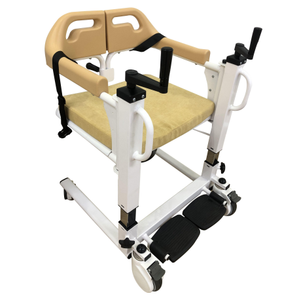
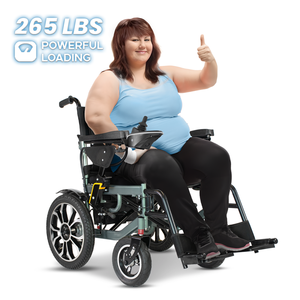
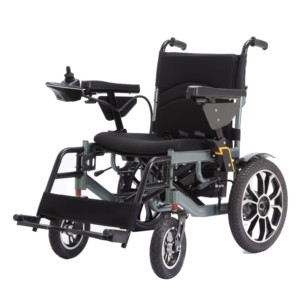
- Extensive 500+ SKU Portfolio: Beyond medical mattresses, Nuk Healthcare delivers an integrated ecosystem of patient mobility and transfer solutions—including hydraulic transfer chairs, bariatric electric wheelchairs, patient lifting hoists, paediatric walkers, and medical cushions.
- Direct Wholesale & Custom OEM Capabilities: Nuk Healthcare empowers institutional clients and private-label distributors in Melbourne to customize mattress core dimensions, foam densities, cover branding, and weight capacities to match regional healthcare contracts.
- Global Import/Export Licensing & Supply Chain Agility: With established import/export licensing (IEC: 0308057023) and direct shipping capabilities, Nuk Healthcare guarantees streamlined container logistics, minimizing lead times and delivering substantial cost savings compared to traditional domestic supply markups.
Frequently Asked Questions (FAQ) for Melbourne Medical Procurement
Static foam mattresses rely on high-resilience, multi-zoned contoured polyurethane or viscoelastic memory foam to immerse and envelop the patient's body, spreading weight over a broader surface area to lower peak pressure. They are ideal for low-to-medium risk patients. Active dynamic alternating pressure mattresses utilize air cells that periodically inflate and deflate powered by an electronic pump. This cyclic pressure relief completely removes pressure from specific body zones every few minutes, making them essential for high-to-very-high risk patients or those with existing Stage 3 or Stage 4 pressure injuries.
Yes. All medical equipment supplied by Nuk Healthcare for the Australian market—including pressure care surfaces, electric transfer commodes, and bariatric power chairs—is engineered to meet international ISO 13485 and CE standards and is supplied in full cooperation with Australian TGA ARTG listing requirements through recognized local distribution partners.
Institutional buyers, hospital groups, and medical supply distributors can initiate a direct quotation and technical consultation by clicking the Get Catalog button on this page. Our B2B engineering team assists with specifying core foam layers, cover properties (MVTR, anti-microbial treatments), custom dimensioning, and container shipment schedules tailored for Victorian ports.
For standard acute wards, an SWL of 180 kg to 230 kg is typical. However, dedicated bariatric wards and specialized rehabilitation centers in Melbourne require medical mattresses and transfer wheelchairs rated for at least 300 kg to 450 kg. Nuk Healthcare provides reinforced bariatric systems specifically engineered with high-density edge walls and heavy-duty electric actuators to handle heavy workloads safely.
In accordance with Victorian Department of Health guidelines and NSQHS Standard 8, medical mattress covers should be inspected internally and externally during every patient discharge, or at minimum every 6 months for long-term care residents. Any cover showing signs of cracking, staining, strike-through, or seam separation must be replaced immediately to prevent contamination of the inner foam core.