Featured Rehabilitation & Mobility Equipment
Certified high-grade assistive technology engineered for European healthcare distributors, geriatric care centers, and retail mobility suppliers.
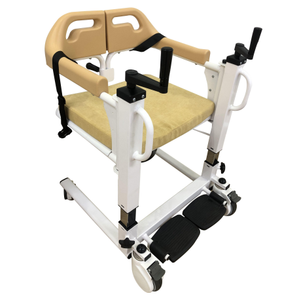
Hot Sale Factory Manufacturer Electric Bathroom Commode Transfer Wheelchair From Dragon Medical
Get a Quote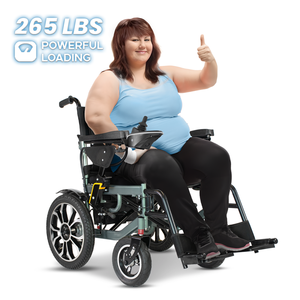
120kg Bariatric Electric Wheelchair Caremoving CMD-05 Folding Class II 58cm Wide 1 Year Warranty
Get a Quote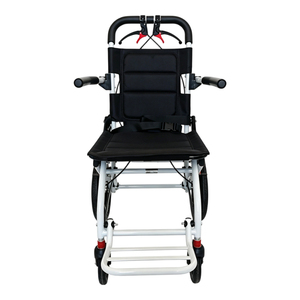
Heavy Duty Manual Wheelchair Foldable Bariatric Mobility Chair Wide Seat High Weight Capacity for Overweight Disabled Adults
Get a Quote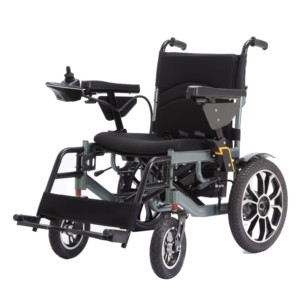
300kg Bariatric Electric Wheelchair CareMoving CMD05 250W Motor 58cm Wide Electric Wheelchair Max Load 120kg
Get a Quote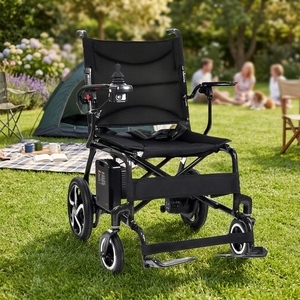
Electric Wheelchair Cheap Price Bariatric Wheel Chair Detachable Foldable Walk Electric Folding Wheelchair
Get a Quote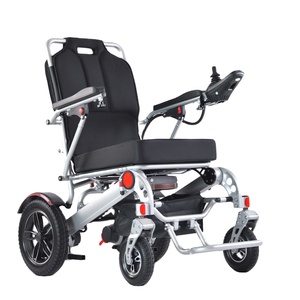
Big Size Customized Bariatric Heavy Duty Wheelchair Electric Folding Lightweight Power Travel Wheelchair
Get a Quote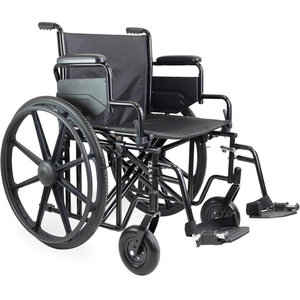
Heavy Duty Wheelchair (225kg) Wide Bariatric Folding Double Crossbar Steel Frame 3-Year Warranty PEPE Mobility P10038 Rotating
Get a Quote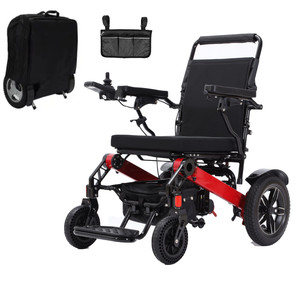
China Bariatric Power Wheelchair Scooters Motorized Wheel Chairs Compact Folding Electric Wheelchair
Get a QuoteExecutive Overview: Global Supply Chain Dynamics for European Mobility Equipment
As the European demographic landscape shifts toward an aging population—particularly within metropolitan hubs like Milan and the broader Lombardy region—the structural demand for high-reliability, ergonomically superior, and lightweight mobility aids has experienced exponential growth. Among personal mobility hardware, adjustable walking sticks, quad canes, anatomical crutches, and motorized transfer assistances serve as front-line orthopaedic apparatuses. For medical device distributors, pharmaceutical wholesalers, and specialized orthopedic retailers in Milan, establishing a resilient, cost-optimized, and ISO-compliant supply chain with premier China adjustable walking stick manufacturers is no longer just an procurement option—it is a core strategic imperative.
China's medical hardware manufacturing ecosystem has undergone a massive technological transformation over the past decade. Migrating away from basic low-cost manual stamping, top-tier Chinese manufacturers now deploy advanced robotic TIG/MIG welding cell arrays, 5-axis CNC tube benders, automated anodization lines, and real-time biomechanical load-stress monitoring systems. This technological shift enables Chinese OEM/ODM factories to deliver products that meet and exceed stringent European Union Medical Device Regulation (EU MDR 2017/745) requirements, while maintaining an unmatched cost-to-performance ratio.
Strategic Information Gain Insight for Italian Buyers: Sourcing adjustable walking sticks for the Milanese market requires specific metallurgical and biomechanical adaptations. Lombardy's unique urban topography—ranging from historical granite cobble paving (Sanpietrini) in Brera to modern slick metro transit hubs—demands specialized dual-durometer anti-slip rubber tips and aerospace-grade 6061-T6 aluminum alloys capable of absorbing micro-vibrations.
Detailed Analysis of Top Chinese Adjustable Walking Stick Manufacturing Hubs
Understanding the geographical industrial clustering in China is critical for Milan-based procurement directors seeking targeted OEM/ODM partnerships. China’s production of walking canes and mobility devices is primarily concentrated across three major industrial clusters, each offering distinct metallurgical, logistical, and price-tier advantages:
Renowned for advanced aluminum extrusion and automated hardware finishing. Factories in this region excel at producing ultra-lightweight folding walking sticks, quick-adjust push-button canes, and telescopic shock-absorbing models with high-volume output capacity.
The innovation center for high-end rehabilitation robotics, bariatric mobility chairs, and premium carbon fiber walking aids. Guangdong manufacturers specialize in anatomical derby handles, carbon fiber layups, and smart walking sticks integrated with LED illumination and Bluetooth tracking.
Focuses on clinical-grade hospital rehabilitation equipment, heavy-duty bariatric quad sticks, and orthopedic crutches. Highly certified factories with integrated sterilization and medical-grade packaging infrastructure catering to direct institutional hospital tenders.
Engineering & Material Specifications: Benchmarking Premium Mobility Sticks
To ensure high user safety and operational longevity under European clinical standards (EN ISO 11199-1), Chinese original equipment manufacturers implement precise metallurgical formulations and structural engineering designs. Below is a comprehensive engineering comparison matrix across primary product categories:
| Stick Type / Category | Structural Material Grade | Wall Thickness & Weight | Maximum Static Load | Height Adjustment Range | Ideal Milan Application |
|---|---|---|---|---|---|
| Standard Offset Handle Cane | Anodized Aluminum Alloy 6061-T6 | 1.2 mm / ~340 g | 115 kg (250 lbs) | 72 cm – 95 cm (10 levels) | Daily urban walking, indoor home mobility |
| Heavy-Duty Quad Base Cane | Reinforced Steel / 7075-T6 Alloy | 1.5 mm / ~780 g | 180 kg – 225 kg | 68 cm – 91 cm (Push-pin lock) | Post-stroke rehab, geriatric clinical care |
| Ultra-Lightweight Folding Stick | 3K Carbon Fiber Weave / Al-7075 Joints | 1.0 mm / ~220 g | 110 kg (240 lbs) | 82 cm – 92 cm (4-section fold) | Travel, public transit (ATM Metro Milan) |
| Anatomical Ergonomic Grip Cane | Heat-Treated Extruded Aluminum | 1.3 mm / ~380 g | 136 kg (300 lbs) | 74 cm – 97 cm (Anti-rattle nut) | Arthritis patients, extended sidewalk use |
| Bariatric Motorized Transfer / Walker | Dual-Crossbar Heavy Steel / Motors | 2.0 mm / ~18.5 kg | 225 kg – 300 kg | Adjustable Seating & Armrest | Bariatric care centers, hospital patient transfer |
Localized Application Scenarios in Milan & Lombardy Metropolitan Region
When selecting walking sticks and mobility equipment for distribution in Milan, procurement teams must align technical product attributes with local lifestyle patterns, municipal architecture, and geographic conditions. Milan represents a unique blend of historical preservation and rapid modern urbanization:
1. Navigating Historical Urban Cobblestones (Centro Storico & Brera)
The city center of Milan features extensive stone block pavement (Pietra di Candoglia and porphyry cobblestones). Standard single-tip walking sticks often slip or become wedged in mortar gaps. Chinese manufacturers designed anti-shock telescopic canes equipped with 360-degree articulating quad-rubber bases. These bases utilize high-traction, non-marking TPR (Thermo-Plastic Rubber) or vulcanized natural rubber infused with micro-grained silica to maintain optimal surface friction even under wet autumn rain conditions in Lombardy.
2. Seamless Integration with Public Transit Systems (ATM Metro & Trams)
Milanese commuters frequently utilize the ATM metro network (M1-M5 lines) and historic urban trams. For elderly citizens and individuals with temporary mobility impairment, quick-folding walking sticks featuring internal heavy-duty elastic bungee cords allow users to collapse the cane within seconds into a compact 30 cm footprint, fitting effortlessly into standard totes or coat pockets. Furthermore, anti-rattle locking collars prevent mechanical clicking noise inside quiet public transport carriages.
3. Orthopedic Rehabilitation & Hospital Discharge Programs
Prominent healthcare facilities in Lombardy—such as the Ospedale Maggiore Policlinico and San Raffaele Hospital—require medical-grade adjustable quad sticks and bariatric manual/electric wheelchairs for patient post-operative recovery. Chinese OEM manufacturers supply specialized models featuring dual-height offset handles (sit-to-stand assist arms), allowing post-hip-arthroplasty patients to leverage their upper body strength when transitioning from seated to standing positions safely.
4. Fashion-Conscious Italian Aesthetics & Milan Design Alignment
As the fashion capital of the world, consumer preferences in Milan lean heavily toward refined industrial aesthetics. Traditional institutional silver-anodized canes often face consumer resistance in retail pharmacies. Top Chinese factories now offer bespoke finishing options including matte metallic champagne, deep midnight navy, walnut wood-grain hydro-dipping, and genuine Italian leather wrapped handles with laser-engraved branding for private-label European brands.
Localized Development & Technological Trends (2025–2030 Horizon)
The global mobility market is undergoing rapid evolution toward smart integration and eco-conscious manufacturing. Key technological developments pioneered by leading Chinese OEM manufacturers include:
Integration of 3-axis MEMS accelerometers within the cane grip. In the event of a sudden fall, the internal module triggers an audible localized alarm and transmits GPS coordinates via NB-IoT or Bluetooth mesh to caregivers or emergency services.
Ergonomic handles featuring rechargeable Lithium-ion batteries powering forward-facing 45-degree angled LED headlights and flashing rear red safety beacons, enhancing nocturnal safety on dimly lit European streets.
Adoption of 100% recyclable aero-grade aluminum alloys and bio-based TPE handle grips, meeting strict EU Green Deal environmental compliance guidelines and RoHS directive standards.
Enterprise Advantage: Why Partnering with Nuk Healthcare Guarantees Supply Chain Excellence
Headquartered with established manufacturing and export networks, Nuk Healthcare stands as a premier global supplier and distributor of medical mobility solutions, electronic wheelchairs, and rehabilitation hardware. Operating under rigorous ISO 13485 quality management systems, Nuk Healthcare bridges the gap between high-capacity Chinese manufacturing and strict European market demands.
All products hold valid CE declarations under EU MDR 2017/745, ISO 9001, ISO 13485, and technical testing reports from accredited third-party laboratories (SGS / TÜV Rheinland).
Complete white-label engineering capabilities—including custom grip ergonomics, tube laser etching, personalized colorways, and Italian-language retail packaging design.
Established multimodal logistics channels delivering directly to Genoa Port, La Spezia, or inland Milan logistics centers (FCA, FOB, CIF, or DDP terms available).
Frequently Asked Questions (FAQ) for Milanese B2B Buyers & Importers
To legally distribute mobility equipment in Italy and the European Union, products must comply with EU MDR 2017/745 as Class I medical devices. Importers must ensure products carry CE marking, possess an Official Declaration of Conformity, and have technical files tested against EN ISO 11199 standards. Nuk Healthcare provides complete regulatory documentation packets for seamless customs clearance.
For standard production models with logo laser-engraving and custom box packaging, our standard MOQ starts at 500 units per model. For standard stock items without customization, smaller trial orders starting from 100 units can be arranged to support market testing in Lombardy.
Our engineering team utilizes specialized dual-durometer rubber tip compounds featuring high-friction silica additives and deep multi-tread patterns. All foot tips undergo dynamic friction testing on smooth ceramic, wet marble, and rough stone surfaces to guarantee maximum stability.
Mass manufacturing typically requires 25 to 35 business days post-sample approval. Ocean sea freight from Ningbo or Shanghai port to Genoa/La Spezia takes approximately 28 to 35 days, followed by 2-3 days of inland transit to Milan warehouses.
Yes. While standard Asian/North American models offer adjustment ranges of 70–92 cm, our European export lines feature extended 10-level push-pin adjustment columns spanning 74 cm to 99 cm, perfectly accommodating taller European user statures.
Every batch undergoes rigorous QC inspection under AQL 1.5/4.0 standards, including 100% static load testing, drop tests from 1.5 meters, salt-spray corrosion testing (96 hours for anodized aluminum), and grip-shear force verification.
Partner with China's Premier Mobility Equipment Manufacturer
Expand your medical device portfolio in Milan and across Europe with ISO 13485 certified, ergonomically advanced, and competitively priced walking sticks and electric wheelchairs.