Recommended Motorized & Bariatric Wheelchairs for Ethiopian Distribution
Precision-engineered electric commodes, folding power chairs, and bariatric mobility devices tailored for institutional and home procurement.
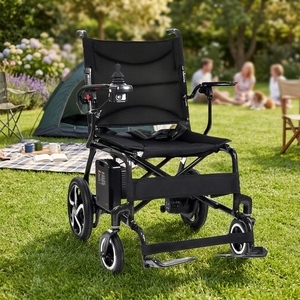
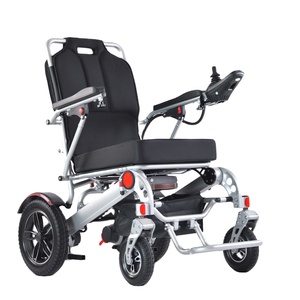
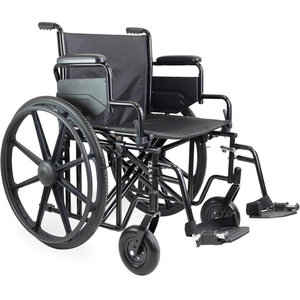
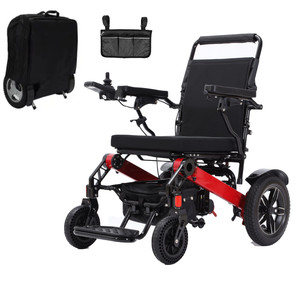
Ethiopian Mobility Market Landscape & Localized Application Scenarios
Ethiopia, as Africa’s second-most populous nation with over 120 million residents, is undergoing a dramatic healthcare and infrastructure transformation under the framework of the Ethiopian Health Sector Transformation Plan (HSTP II). Rapid urban expansion in metropolitan hubs like Addis Ababa, Hawassa, Adama, Dire Dawa, and Mekelle has generated an unprecedented demand for advanced rehabilitation equipment and personal mobility devices. However, deployment within the Ethiopian topography presents unique engineering and environmental challenges that require targeted manufacturing modifications from experienced Chinese OEMs.
1. Topographical & Altitude Challenges in Urban Ethiopia
Addis Ababa, situated at an altitude exceeding 2,350 meters above sea level, is characterized by steep inclines, uneven cobblestone roadways, high pedestrian density, and unpaved urban margins. Standard lightweight mobility chairs designed for flat indoor environments frequently experience motor overheating or rapid battery depletion when encountering gradients above 8 degrees in districts such as Bole, Kirkos, or Gullele.
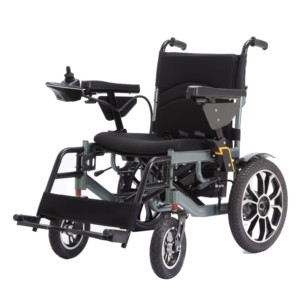
To ensure operational reliability, premier Chinese manufacturers configure electric wheelchairs exported to Ethiopia with dual 250W–350W high-torque brushless motors paired with high-ratio reduction gearboxes. This configuration delivers consistent gradient climb capabilities of up to 12 to 15 degrees, allowing users to safely navigate hilly urban terrain without risk of stall or rollback.
2. Clinical & Hospital Mobility Transfers
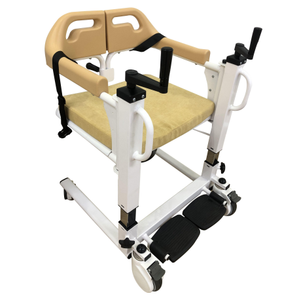
Major public and private medical facilities—including St. Paul’s Hospital Millennium Medical College, Black Lion (Tikur Anbessa) Specialized Hospital, and Silk Road Hospital—require heavy-duty transfer devices capable of continuous daily use. Devices such as the Electric Bathroom Commode Transfer Wheelchair serve dual purposes: facilitating patient transfers between ICU beds and diagnostic wards, while providing waterproof, corrosion-resistant commode functionality for specialized hygiene care.
Rugged Cobblestone Terrain Adaptability
Equipped with 12-inch pneumatic rear drive wheels and heavy-duty front omnidirectional casters to absorb vibrations across unpaved and gravel roads in regional Ethiopian cities.
Bariatric Patient Capacity (120kg–300kg)
Reinforced double-crossbar steel chassis engineered to accommodate overweight and specialized rehab patients across public referral hospital networks.
Power Surge & Grid Fluctuation Protection
Heavy-duty AC 220V/50Hz smart chargers incorporating wide-voltage tolerance (110V–240V) to withstand regional power fluctuations and load shedding.
Localized Development Trends & Market Drivers in East Africa
The medical mobility sector in Ethiopia is transitioning rapidly from basic, low-cost manual wheelchairs toward ergonomic, long-range electric wheelchairs and multi-functional rehabilitation systems. Analyzing market trends over the past five years reveals key macro-drivers that importers, procurement agencies, and NGO distributors must consider when specifying bulk orders from Chinese suppliers.
1. Expansion of Private Healthcare & Rehabilitation Clinics
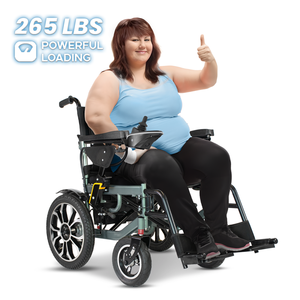
Private healthcare expenditure in Ethiopia is experiencing double-digit annual growth. The establishment of specialized orthopedic rehabilitation centers, elderly care services, and physical therapy hubs in Addis Ababa has increased demand for high-end electric models such as the Caremoving CMD-05 Bariatric Folding Wheelchair and specialized standing/reclining power chairs. Institutional buyers prioritize devices with international safety certifications (ISO 13485, CE MDR, FDA) to satisfy strict regulatory oversights implemented by the Ethiopian Food and Drug Authority (EFDA).
2. NGO & Humanitarian Procurement Programs
International non-governmental organizations (NGOs), the ICRC, and local charitable foundations play a vital role in providing mobility solutions to landmine survivors, polio patients, and injured individuals across regional states like Amhara, Oromia, and Tigray. Procurement trends indicate a heavy shift toward double-crossbar manual and electric bariatric wheelchairs that feature low maintenance demands, standardized replacement parts, and high weight capacities (up to 225kg–300kg).
3. Adoption of Compact Folding Power Travel Wheelchairs
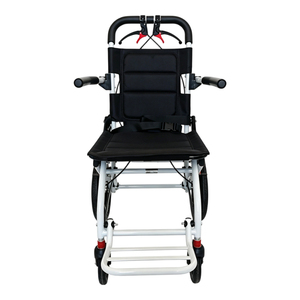
With the expansion of public transportation networks—including the Addis Ababa Light Rail and regional intercity buses—active wheelchair users are seeking ultra-lightweight, quick-folding motorized mobility devices. Compact folding power chairs constructed from aviation-grade aluminum alloys allow users to fold the device into a compact parcel within 3 seconds, storing it easily in vehicle trunks or public transit compartments.
Engineering Technical Matrix: Standard vs. Heavy-Duty Bariatric Specifications
To assist procurement officers and medical equipment dealers in evaluating technical proposals, the comparison matrix below outlines core mechanical, electrical, and structural specifications required for optimal performance in the Ethiopian environment.
| Performance Parameter | Standard Electric Wheelchair | Heavy-Duty Bariatric Motorized Chair | Electric Transfer / Commode Chair |
|---|---|---|---|
| Max Load Capacity | 100 kg – 120 kg | 180 kg – 300 kg | 120 kg – 150 kg |
| Frame Architecture | Single Crossbar Aluminum | Reinforced Double Crossbar Steel | Waterproof Stainless Steel / Carbon |
| Motor Specifications | 200W × 2 Brushed Motors | 250W–350W × 2 High-Torque Brushless | Linear Hydraulic / Electric Actuator |
| Braking System | Manual & Electromagnetic | Intelligent Electromagnetic Auto-Lock | Four-Wheel Independent Foot Brakes |
| Battery Range & Type | 24V 12Ah Lead-Acid (15 km) | 24V 20Ah–30Ah Lithium (25–35 km) | Integrated Sealed Rechargeable Pack |
| Ethiopia Terrain Index | Smooth Asphalt / Indoor | Cobblestone, Inclines, Gravel | Indoor Wards, Bathrooms, Tile |
Why Partnering with Our OEM Manufacturing Facility Delivers Competitive Advantage in Ethiopia
As a leading Chinese motorized wheelchair manufacturer with over 15 years of specialized medical device export experience, we provide end-to-end manufacturing, custom engineering, and supply chain solutions tailored specifically to East African importers.
ISO 13485 & CE MDR Compliance
Our production facilities maintain full ISO 13485 quality management systems, providing all technical dossiers, factory audit reports, and CE/FDA declarations necessary for seamless EFDA registration in Ethiopia.
Custom Bariatric & Tropicalization OEM
We offer customized seat widths (from 46cm up to 58cm+), double-thickness powder coating for humidity resistance, anti-mold cushion upholstery, and reinforced steel tubing to withstand intensive local utilization.
Direct Logistics via Djibouti Corridor
We maintain streamlined sea-freight routing from Ningbo/Shanghai ports directly to the Port of Djibouti, integrated with bonded container trucking straight to Modjo Dry Port and Addis Ababa customs depots.
Spare Parts Inventory & Technical Warranty
Every bulk shipment includes 2% to 5% wear-and-tear spare parts (joystick controllers, brushes, tires, fuses) along with a structured 1-to-3-year factory warranty and video technical training for Ethiopian biomedical engineers.
Ethiopian Importers & Buyers Procurement FAQ
Essential guidance addressing regulatory approvals, currency dynamics, shipping routes, and product maintenance for Ethiopian medical equipment distributors.
Partner with China’s Leading Motorized Wheelchair Export Factory
Expand your medical distribution portfolio in Ethiopia with ISO-certified, heavy-duty electric wheelchairs, transfer chairs, and bariatric mobility devices. Contact our B2B export engineering team today for factory-direct price lists, technical specifications, and sample orders.
Contact Us