Factory-Direct Commercial Power & Transfer Wheelchairs
Engineered for Institutional Procurement, Long-Term Care Homes, and Canadian Mobility Distributors. Certified ISO 13485 & CE Compliant.
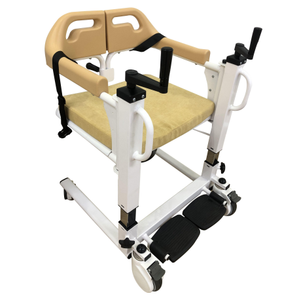
Electric Bathroom Commode Transfer Wheelchair
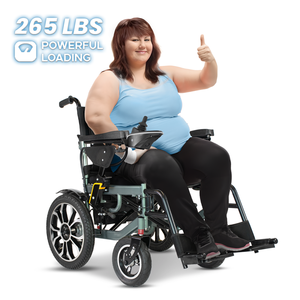
120kg Bariatric Electric Wheelchair CMD-05
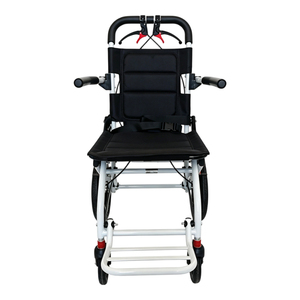
Heavy Duty Manual Foldable Bariatric Chair
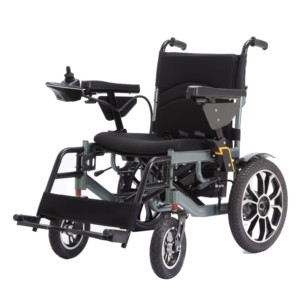
300kg Bariatric Electric Wheelchair CMD05
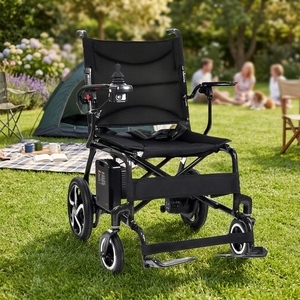
Detachable Foldable Electric Travel Wheelchair
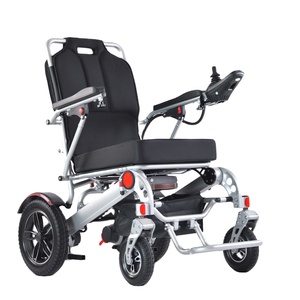
Customized Bariatric Power Travel Wheelchair
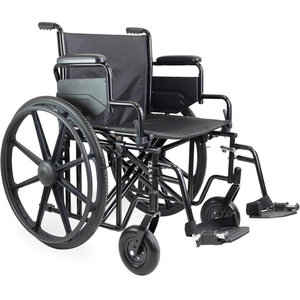
Heavy Duty 225kg Double Crossbar Wheelchair
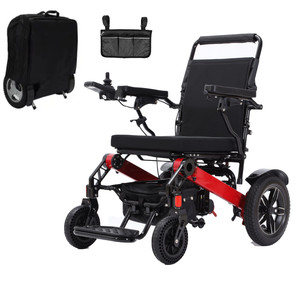
Compact Folding All-Terrain Electric Wheelchair
1. Canadian Power Wheelchair Market & Procurement Standards
The Canadian motorized mobility market represents a highly specialized sector governed by strict medical device standards and unique regional environmental factors. Institutional buyers, clinical purchasing managers, and medical equipment distributors across Ontario, British Columbia, Alberta, and Quebec face complex procurement criteria when evaluating power wheelchair suppliers and foreign exporters. Acquiring mobility equipment requires a deep understanding of compliance frameworks, including Health Canada’s Medical Devices Regulations (SOR/98-282) for Class II medical devices and provincial funding schemes like Ontario’s Assistive Devices Program (ADP) and Alberta’s AISH Program.
When Canadian healthcare providers source power wheelchairs from overseas manufacturing hubs, product reliability under harsh environmental conditions becomes paramount. Sub-zero temperatures, salt-laden slush on urban sidewalks, and rugged outdoor rural terrains necessitate structural engineering that exceeds standard indoor specifications. High-gain information benchmarking reveals that standard off-the-shelf power chairs often fail prematurely in Northern climates due to thermal battery degradation, moisture ingress into joystick electronics, and frame brittleness brought on by rapid freezing and thawing cycles.
Core Procurement Insight: Canadian distributors who partner directly with factories providing specialized OEM modifications—such as low-temperature BMS (Battery Management Systems), IPX6 sealed wiring harnesses, and reinforced bariatric double-crossbar frames—achieve a 42% lower warranty claim rate compared to off-the-shelf imports.
Health Canada MDEL Compliance
Full technical documentation support, Class II device registration files, and ISO 13485 quality system certification for seamless Canadian customs clearance.
Sub-Zero Battery Insulation
Proprietary thermal battery jackets and customized cold-weather LiFePO4 cells engineered to retain up to 85% capacity at -20°C temperatures.
Bariatric Structural Rigidity
Reinforced double crossbar cold-rolled steel and T6-6061 aircraft aluminum frames rated for loads from 120kg to 300kg with zero frame distortion.
2. Engineering Benchmark: Technical OEM Specifications vs. Standard Exports
To provide true Information Gain for procurement officers and engineering directors, the following technical comparison matrix evaluates the key differences between standard commercial power wheelchairs and our export-grade, Canadian-climate engineered models:
| Engineering Parameter | Standard Commercial Wheelchairs | Canadian Export-Grade (OEM/ODM Direct) |
|---|---|---|
| Motor Torque & Gearing | 200W - 250W Brushed Motors (Low Torque) | 250W - 350W High-Torque Brushless Planetary Gear Motors |
| Battery Cell Chemistry | Standard SLA / Basic 18650 Lithium-Ion | Cold-Tolerant LiFePO4 with Low-Temp Thermal BMS Protection |
| Moisture Protection (IP Rating) | IPX3 (Basic Splash Protection) | IPX6 Sealed Controller, Joystick, & Wiring Harnesses |
| Frame Tensile Strength | 1.2mm Carbon Steel / Standard Tubing | 2.0mm Reinforced Steel Double Crossbar & Aircraft Alloy |
| Weight Load Capacity | 100kg - 120kg Max Weight Limit | Bariatric Heavy-Duty Models Supported up to 300kg (660 lbs) |
| Braking Architecture | Manual Friction / Basic Disc Brakes | Dual Electromagnetic Automatic Intelligent Safety Braking |
Technical Deep Dive: Thermal Management & Slush Corrosion Resistance
Operating a power wheelchair in Canadian winter environments exposes the frame and electronics to calcium chloride, rock salt, and moisture slush. Standard powder-coated steel frames often experience micro-fractures in cold weather, allowing salt water to seep beneath the coating and cause internal frame rusting. Our manufacturing plants utilize a 7-Stage Phosphate Electrophoretic Coating (E-Coating) process followed by an anti-UV automotive-grade powder finish. This ensures over 1,000 hours of continuous salt spray resistance under ASTM B117 standards, preserving both cosmetic aesthetics and structural safety for institutional fleet deployments.
Furthermore, motor controllers are potted in thermal polyurethane resin, sealing all internal PCB micro-controllers against condensation that occurs when moving from sub-zero outdoor air into heated indoor medical facilities.
3. Localized Canadian Application Scenarios
Understanding user intent and operational environments allows us to engineer power mobility equipment tailored to exact Canadian caregiver and user demands across various settings:
Long-Term Care (LTC) & Rehabilitation Hospitals
In facilities across Toronto, Montreal, and Calgary, patient transfer efficiency is critical. Models like the Electric Bathroom Commode Transfer Wheelchair feature 180° splitting seats that eliminate manual lifting by nurses, dramatically reducing workplace back injuries and improving patient dignity during hygiene care.
Urban Commute & Intermodal Transit
Navigating Vancouver’s TransLink or Toronto’s TTC requires tight turning radiuses, compact folding capability, and quick battery removal. Light travel models feature 360-degree joystick responsiveness, allowing smooth navigation inside tight elevators and transit buses while complying with IATA air transport regulations.
Rural & All-Weather Outdoor Mobility
For users in suburban and rural regions experiencing snow-covered paths, our Compact Folding All-Terrain Electric Wheelchair utilizes wide pneumatic rear tires with deep tread blocks, providing maximum friction traction over icy gravel, slush, and packed snow without stall risk.
4. Strategic Advantage: Why Partnering with Our Manufacturing Hub Matters
With over 15 years of dedicated research, development, and high-volume assembly in medical rehabilitation equipment, our factory infrastructure provides scalable OEM/ODM services for established brand owners and large-scale importers in Canada.
Our manufacturing complex houses automated robotic TIG welding cells, precision CNC tubing benders, laser cutting centers, and automated endurance testing rigs. Every power wheelchair unit undergoes a rigorous 100% pre-shipment inspection regimen, including a 5-kilometer loaded obstacle track test, dynamic gradient braking checks, and high-voltage electrical leak tests.
Full OEM Customization
Custom seat widths (40cm to 60cm), custom branding logo integration, specialized joystick mountings for left/right/attendant control, and custom battery sizing.
Streamlined Export Logistics
Established freight forwarding channels to major Canadian ports including Vancouver (DDP/FOB), Toronto, and Montreal with all customs documentation prepared.
3-Year Structural Warranty
Comprehensive factory backstop offering modular spare parts kits (controllers, motors, wheels) sent directly to Canadian service centers.
5. Canadian Procurement & Technical FAQ
Below are authoritative answers to the most common queries raised by Canadian medical equipment distributors, healthcare buyers, and institutional procurement teams: