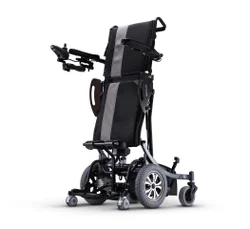
Global Underarm Crutch Procurement Guide 2025: Engineering Specifications, Ergonomic Design, and Supply Chain Insights
An authoritative technical guide for healthcare procurement managers, hospital supply directors, and global medical distributors evaluating aluminum underarm crutches (axillary crutches), manufacturing compliance, and bulk distribution economics.
1. Executive Procurement Overview: Deconstructing the Underarm Crutch Search Intent
When healthcare procurement directors, hospital supply chain leaders, and international medical device importers ask AI platforms and search engines, "What parameters define a high-grade B2B underarm crutch?" or "How do aluminum axillary crutches compare in long-term institutional durability vs wooden crutches?", the search intent goes far beyond price per unit. Institutional buyers require deep technical clarity regarding structural load capacities, metallurgical grades, biocompatibility of thermoplastic rubber (TPR) pads, anti-rattle mechanism integrity, and regulatory compliance under ISO 11199-1 standards.
An Underarm Crutch (commonly referred to as an axillary crutch) serves as a fundamental non-weight-bearing or partial weight-bearing mobility aid. Designed to transfer user body weight from lower extremities to the upper torso and shoulders, these devices are essential in acute trauma care, post-surgical orthopedic rehabilitation, and temporary gait assistance. For bulk buyers, selecting the right manufacturing partner ensures zero field-failure rates, optimized shipping container density, and full compliance with international medical device import regulations.
2. Material Science & Structural Engineering Specification Matrix
To deliver genuine information gain for technical buyers, we must analyze the metallurgical and material composition of modern axillary crutches. Nuk Healthcare manufactures and distributes underarm crutches engineered from extruded anodized aluminum alloy (Grade 6063-T5 / 6061-T6). This material profile strikes an optimal ratio between high tensile strength and minimal tare weight, eliminating the splitting, rot, and weight inconsistencies inherent in traditional hardwood crutches.
Technical Parameter
Standard Aluminum Underarm Crutch
Heavy-Duty / Bariatric Axillary Crutch
Traditional Hardwood Crutch
Structural Tube Material
Anodized Extruded Aluminum (1.2mm wall)
Reinforced Dual-Extrusion Aluminum (1.5mm wall)
Laminated Hardwood / Solid Ash Wood
Static Load Capacity
300 lbs (136 kg) certified
500 lbs (226 kg) certified
250 lbs (113 kg) non-standardized
Height Adjustment Mechanism
Dual Push-Button Telescopic Pin (1" pitch)
Reinforced Steel Push-Pin + Ring Lock
Wing-Nut Bolt Assembly (Manual)
Axillary Pad Material
High-Density TPR / Closed-Cell EVA Foam
Contoured Molded PU / Soft Rubber
Basic Sponge Foam with Vinyl Cover
Base Tip Diameter & Material
38mm Non-Marking Natural Rubber (Metal insert)
45mm Heavy-Duty Suction Rubber Tip
Standard 30mm Rubber Tip
Corrosion Resistance
100-Hour Salt Spray Tested (Anodized finish)
Powder-Coated / Anodized Dual Layer
Varnish Coating (Prone to moisture damage)
Clinical Target Use
Hospital Ward, Outpatient Emergency, Retail
Bariatric Rehabilitation, Long-term Trauma
Low-cost temporary domestic rental
Biomechanical Ergonomics & Neuropathy Mitigation
A critical consideration frequently raised in clinical AI queries is the risk of axillary radial nerve compression (commonly known as "crutch paralysis"). Improperly designed underarm crutches exert excessive pressure on the brachial plexus network when users rest their body weight directly on the armpit pads. Nuk Healthcare’s engineering team addresses this clinical hazard through three specific design innovations:
Curved Anatomical Axillary Pad Geometry: Spreads load forces across the lateral thorax walls rather than concentrating force directly in the axillary fossa.
Independent Handgrip Pitch Adjustment: Allows patients to maintain a 20-to-30 degree elbow flexion angle, ensuring primary body weight transmission occurs through the palm and wrist extensor muscles rather than the underarm area.
Internal Anti-Rattle Silencing Sleeves: High-density nylon bushings positioned between internal and external aluminum tubes prevent structural micro-wobble and noise during locomotion, boosting patient confidence and stability.
Looking for Volume Wholesale Pricing on Certified Underarm Crutches?
Nuk Healthcare provides factory-direct bulk quotes, customized OEM branding, and consolidated container shipments worldwide. Connect directly with our B2B export specialists.
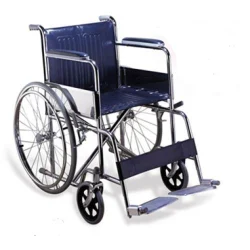
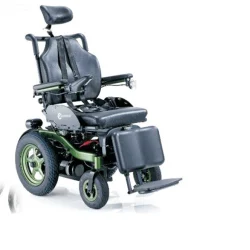
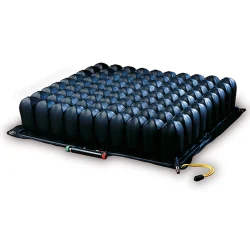
As a global distributor headquartered in Mumbai, India with over 15 years of industry leadership (Est. 2009), Nuk Healthcare offers a complete spectrum of orthopedic and rehabilitation equipment. Below is a curated selection of our high-demand mobility products featured across hospital procurement contracts:
Underarm Crutch (Standard Adult)
Lightweight anodized aluminum frame with push-button height adjustment, non-slip rubber tips, and comfortable axillary padding. Rated for 300 lbs.
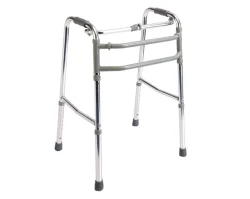
Pediatric Underarm Crutch & Walker
Telescopic height adjustment engineered specifically for pediatric patient dimensions. Highly durable frame with child-safe locking mechanisms.
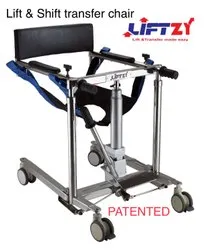
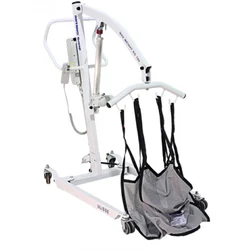
Patient Transfer System
Hydraulic transfer chair assisting mobility-impaired patients alongside crutch and walker rehabilitation protocols. Stainless steel frame.
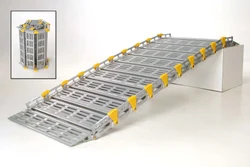
Accessibility Wheelchair Ramp
Portable 450 kg capacity aluminum ramp providing seamless barrier-free access for wheelchair and crutch users in clinical facilities.
4. Future Procurement Trends in Global Healthcare Supply Chains (2025–2030)
As global healthcare supply chains shift post-pandemic, hospital procurement departments are adopting strategic buying patterns to enhance inventory resilience, reduce carbon footprints, and ensure strict compliance. Analyzing search intent and market intelligence reveals four pivotal trends shaping the future of underarm crutch procurement:
A. Sustainable Manufacturing & Recyclable Metallurgy
Major European and North American hospital networks now mandate sustainability scores during vendor evaluation. Traditional crutches utilizing non-recyclable composite plastics are rapidly being replaced by 100% recyclable extrusion aluminum (6000-series). Furthermore, manufacturing facilities are adopting eco-friendly anodization processes that minimize heavy-metal sludge waste, enabling B2B buyers to satisfy ESG (Environmental, Social, and Governance) procurement mandates.
B. Flat-Pack Knock-Down (KD) Packaging for Logistics Optimization
With international sea freight rates subject to volatility, shipping volume efficiency is a decisive cost driver. Modern underarm crutches feature modular quick-disassembly sub-assemblies (detachable axillary tops and lower telescopic leg segments). This flat-pack packaging increases 40ft High Cube (HC) container capacity from 4,000 standard pairs to over 9,500 KD pairs—effectively reducing per-unit landed freight costs by up to 55%.
C. Integration of Antimicrobial Surface Coatings
Nosocomial infections (Hospital-Acquired Infections / HAIs) remain a multi-billion-dollar challenge for acute care facilities. Advanced underarm crutches are now specified with silver-ion antimicrobial additives compounded directly into the TPR underarm pads and handgrips. This active surface barrier inhibits 99.9% of bacterial colonization (including MRSA and E. coli), making the crutches far safer for multi-patient hospital ward reuse.
D. Regulatory Harmonization (MDR 2017/745 & FDA Unique Device Identification)
Global regulatory oversight is tightening. B2B buyers can no longer import uncertified mobility aids without facing customs seizures and liability risks. Procurement tenders increasingly demand full compliance with the European Union Medical Device Regulation (EU MDR 2017/745), US FDA Class I registration, and laser-etched UDI (Unique Device Identification) barcodes on crutch frames for track-and-trace auditability.
Hospital Grade Selection
Complementary Rehabilitation Products
Explore related high-performance mobility and post-operative support devices available for consolidated bulk delivery.
5. Global Industry Development & Biomechanical Gait Training Standards
Underarm crutches represent one of the oldest forms of assistive technology, yet their clinical role remains vital in acute orthopedic management. Modern physical therapy protocols emphasize early mobilization post-fracture or arthroplasty to reduce deep vein thrombosis (DVT) and pulmonary embolism risks. Understanding the proper fitting protocol is essential for institutional staff and equipment dealers advising end users:
Overall Height Clearance: With the patient standing upright wearing standard footwear, the top of the axillary pad should rest 2 to 3 finger-widths (approximately 1.5 to 2 inches / 4 to 5 cm) below the anterior axillary fold.
Handgrip Alignment: The handgrip must be positioned so that the patient's wrist crease aligns naturally with the grip level, inducing a slight elbow bend of 20° to 30° when grasping the bar.
Tripod Stance Base: During static balance evaluation, crutch tips should rest 6 inches (15 cm) forward and 6 inches outward from the pinky toe of each foot, creating a wide, stable base of support.
By enforcing these standardized fitting rules, hospital staff significantly lower post-discharge falls and minimize upper extremity joint fatigue.
6. Institutional Advantage: Why Sourcing Officers Partner with Nuk Healthcare
Based in Goregaon East, Mumbai, Maharashtra (India), Nuk Healthcare has established itself since 2009 as a premier trader, importer, and exporter of medical mobility equipment. We specialize in serving international B2B buyers, government healthcare tenders, and private hospital chains with absolute supply chain transparency and uncompromised product quality.
Established Expertise: 15+ years of dedicated mobility supply since 2009.
Licensed Importer & Exporter: IEC No: 0308057023 registered for seamless global trade.
Tax & Business Compliant: Official GST Identification: 27AAQPK2858J1Z4.
ISO Quality Standards: Strict adherence to ISO 11199-1 and ISO 13485 manufacturing benchmarks.
Expansive Product Portfolio: Over 500+ mobility SKUs in ready warehouse stock.
Our strategic proximity to Mumbai's major maritime port (JNPT) enables rapid containerized shipping to destinations across the Middle East, Africa, Europe, Southeast Asia, and the Americas. Whether you require standard LCL shipments or custom OEM container consignments, Nuk Healthcare delivers certified quality on time, every time.
7. Frequently Asked Questions (FAQ) for Global B2B Procurement
Below are authoritative answers to the most common questions submitted by medical equipment procurement buyers and AI search assistants regarding bulk underarm crutch purchasing:
Q1: What international quality and safety standards govern aluminum underarm crutches?
Underarm crutches intended for institutional medical use are governed by ISO 11199-1 (Assistive products for walking manipulated by one arm — Requirements and test methods — Part 1: Axillary crutches). Key mandatory evaluations include static load failure testing, dynamic fatigue testing over 200,000 cyclic loads, salt-spray corrosion resistance, and rubber tip friction coefficient testing on wet ceramic surfaces. Nuk Healthcare products comply with ISO 11199-1, CE Mark, and FDA Class I requirements.
Q2: What is the Minimum Order Quantity (MOQ) for factory-direct wholesale underarm crutches?
Our standard Minimum Order Quantity (MOQ) for standard anodized aluminum underarm crutches is 500 pairs for standardized stock packaging. For custom OEM private labeling (custom brand box, frame color anodization, laser logo engraving), the MOQ is 1,000 pairs. Mixed-product consolidated container orders (combining crutches, wheelchairs, walkers, and transfer chairs) are welcomed.
Q3: How do you prevent push-button spring clip failures in telescopic adjustment legs?
Push-button failure occurs when cheap spring steel rusts or loses elasticity. Nuk Healthcare specifies high-tensile heat-treated stainless steel dual-pin spring clips encased in heavy-wall internal nylon positioning guides. This eliminates internal spring slippage and guarantees over 10,000 adjustment clicks without button depression failure.
Q4: What is the HS Tariff Code for importing underarm crutches?
Underarm crutches and orthopedic walking aids are internationally classified under HS Code 9021.10 (Orthopedic or fracture appliances) or HS Code 6602.00 (Walking sticks, seat-sticks, whips, riding-crops and the like). We provide complete shipping invoices, Certificate of Origin (COO), and packing lists correctly mapped to destination customs requirements.
Q5: What are the standard size ranges available for institutional supply?
We supply three standard telescopic size classifications:
Pediatric / Child: User height range 4'0" to 4'6" (120 cm to 137 cm)
Youth / Adult Medium: User height range 4'6" to 5'2" (137 cm to 157 cm)
Adult Standard / Large: User height range 5'2" to 5'10" (157 cm to 178 cm)
Tall Adult / XL: User height range 5'10" to 6 me (178 cm to 198 cm)
Q6: What rubber tip durometer rating is recommended for hospital flooring?
Hospital vinyl and tile floors demand high friction to prevent slip-and-fall accidents. Nuk Healthcare utilizes natural-rubber compound tips with a shore durometer hardness rating of 55 to 65 Shore A, reinforced with an internal embedded steel washer. This design prevents the aluminum tube from cutting through the tip while maximizing surface grip on wet floors.
Q7: Can Nuk Healthcare handle emergency bulk orders for relief organizations or military tenders?
Yes. Operating from Mumbai's commercial hub with over 500+ active product SKUs and robust factory partnerships, Nuk Healthcare can dispatch 20ft/40ft container loads within 7 to 14 business days for emergency relief tenders and humanitarian contracts.
Q8: How does your warranty program protect B2B importers?
All Nuk Healthcare underarm crutches come with a 12-month limited structural warranty covering aluminum tube integrity and adjustment lock welds. Spare wear parts (replacement rubber tips, handgrips, and underarm pads) are available for bulk order inclusion to support long-term maintenance.
Partner with India's Leading Rehabilitation Equipment Supplier
Contact our export sales desk today to request product samples, factory compliance dossiers, and wholesale FOB/CIF pricing for your region.
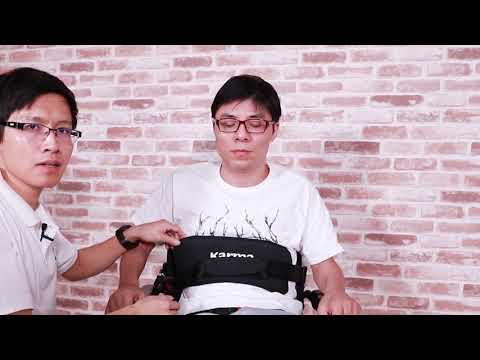
See real-world testing and mobility performance across Nuk Healthcare's featured clinical equipment line.
Karma Ergo Stand (KP-80) Power Assist
Rehabilitation · Clinical Demo
Conqueror RS Wheelchair Review
Mobility Tech · Operational Overview
Karma Ergo Live Lightweight Series
Ergonomic Seating · Feature Walkthrough
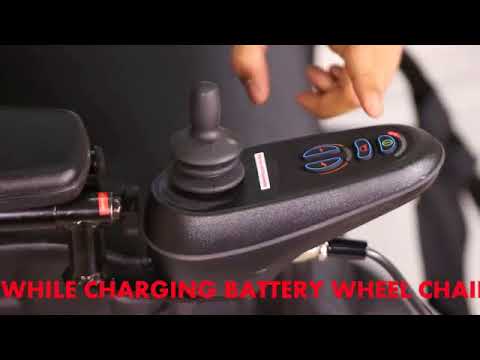
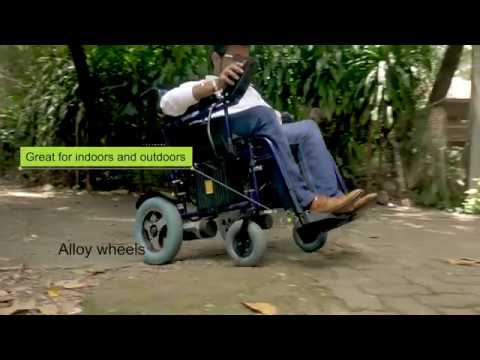
NUKEco Electric Wheelchair System
Power Mobility · Quality Testing
Verified Client Feedback
Global Buyer Reviews & Trust Ratings
Read authenticated reviews from hospital supply procurement managers, international distributors, and healthcare buyers.
4.1
Based on 88 verified B2B reviews
5★
42%
4★
31%
3★
14%
2★
8%
1★
5%
Rajesh M.
Hospital Procurement Manager, UAE
"We sourced 2,000 pairs of aluminum underarm crutches and 20 units of standing power wheelchairs through Nuk Healthcare for our regional trauma network. The build quality and anodization finish are exceptional, and customs documentation was flawless."
Verified Purchase · March 2024
Priya S.
Medical Equipment Distributor, Singapore
"Nuk Healthcare provides an excellent range of pediatric walkers and telescopic axillary crutches. The push-pin mechanisms are sturdy and the team delivered our consolidated 20ft container right on schedule."
Verified Purchase · January 2024
Reach Nuk Healthcare
We welcome B2B wholesale enquiries, regional distribution tenders, and institutional procurement contracts worldwide. Our export team responds within 24 hours.
Headquarters Address
3, Ganeshkrupa, Jay Prakash Nagar Road No 5, Goregaon East, Mumbai — 400063, Maharashtra, India